
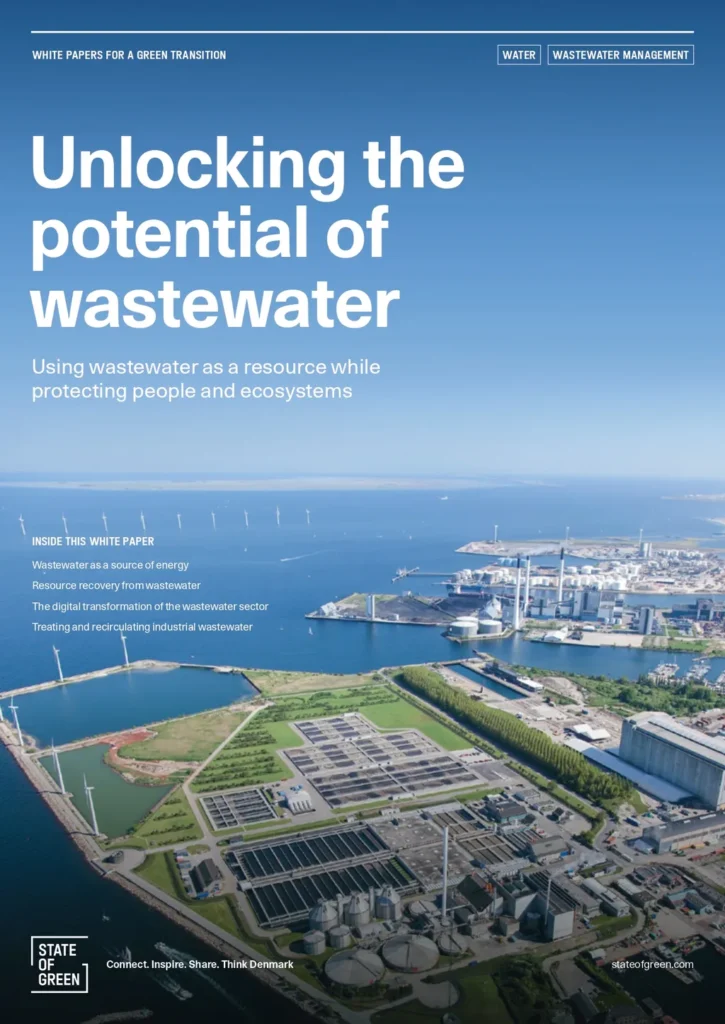
In a world grappling with climate change and freshwater scarcity, the concept of water recovery from urban wastewater is gaining traction as a cornerstone of circular economy strategies. A recent study published in the journal ‘Odsalination and Water Treatment’ (translated from Danish) sheds light on the perspective of urban wastewater treatment plant (WWTP) operators in Denmark, offering valuable insights into the current landscape and future potential of water reuse.
The study, led by Klara Ramm from the Warsaw University of Technology and the Chamber of Economy “Polish Waterworks,” surveyed WWTP operators representing approximately 36% of Denmark’s treatment capacity. The findings reveal a promising trend: 70% of operators already reuse treated effluent internally, primarily for equipment cleaning, while the majority of the remaining operators plan to implement similar practices.
“Industrial use is identified as the most promising application for external reuse, followed by urban use,” Ramm notes. This is a significant revelation, particularly for the energy sector, which often requires large volumes of water for cooling and other processes. The potential for industrial symbiosis—where wastewater from one industry becomes a resource for another—could open new avenues for cost savings and sustainability.
However, the path to widespread water reuse is not without challenges. The study highlights major barriers, including the absence of detailed legal frameworks and concerns over microbiological risks. Despite these hurdles, most respondents support the development of national legislation aligned with EU Regulation 2020/741. “Operators emphasized the importance of financing based on cost recovery principles and highlighted industry as a key end-user in emerging water symbioses,” Ramm explains.
The study confirms a high level of awareness and interest among Danish WWTP operators in advancing water reuse initiatives, especially within industrial and circular economy contexts. These insights provide a foundation for refining policies, aligning regulations, and investing further in sustainable water reuse infrastructure.
As the world continues to grapple with water scarcity and the need for sustainable practices, the findings from this study could shape future developments in the field. By fostering collaboration between industries and policymakers, Denmark could set a precedent for other nations to follow, paving the way for a more circular and resilient water economy.