
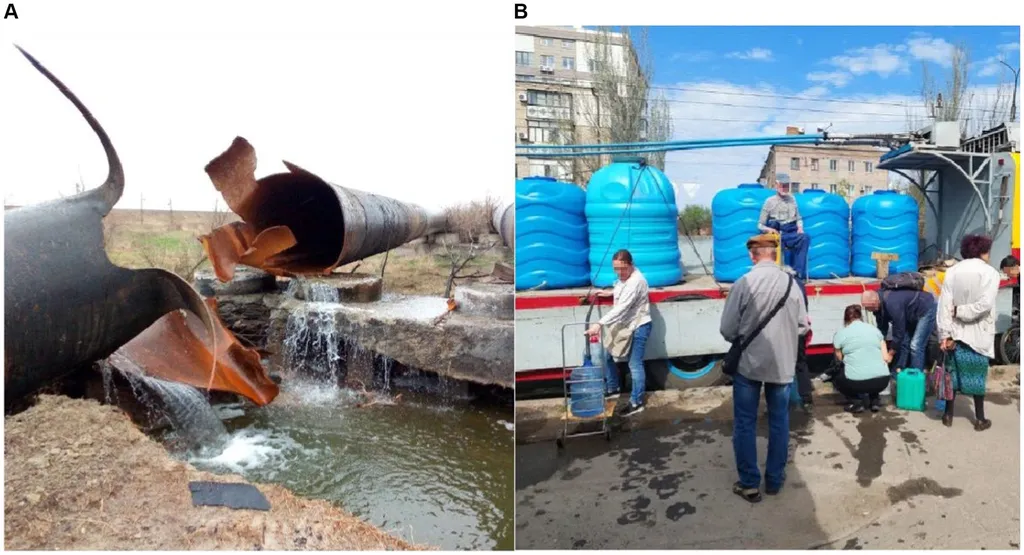
In the heart of Ukraine, researchers are tackling a challenge that resonates across the globe: how to manage recirculating cooling water systems more sustainably. Olha Biedunkova, from the National University of Water and Environmental Engineering in Rivne, has led a comprehensive review published in the journal *Desalination and Water Treatment* (which translates to *Очистка и обработка воды* in Ukrainian), shedding light on the intricate dance between corrosion, scale deposition, and biological fouling in these critical industrial systems.
Recirculating cooling water systems are the unsung heroes of the energy sector, keeping power plants and industrial facilities running smoothly. But they come with a catch: managing the chemical aspects of blowdown water— the water discharged to remove impurities—is a complex balancing act. “The interactions between corrosion, scaling, and microbial growth are closely interrelated and can significantly impact system efficiency and environmental safety,” Biedunkova explains. This interplay can lead to reduced heat transfer, increased energy consumption, and potential environmental risks.
The research highlights the seasonal variations that can exacerbate these issues. Warmer months, for instance, see a peak in microbial activity, increasing the risk of fouling and under-deposit corrosion. This seasonal dynamic underscores the need for adaptive management strategies that can respond to changing conditions.
So, what’s the solution? Biedunkova and her team advocate for an integrated approach. This includes careful regulation of pH, balanced chemical dosing, and the use of corrosion and scale inhibitors. But they don’t stop there. Advanced treatment methods like membrane separation, ion exchange, and physical disinfection are also on the table, offering promising options for reducing chemical inputs and ensuring compliance with environmental standards.
The commercial implications for the energy sector are significant. Effective management of recirculating cooling water systems can lead to substantial energy savings, reduced maintenance costs, and improved system reliability. Moreover, by mitigating ecological risks associated with industrial discharges, companies can enhance their environmental stewardship and potentially avoid costly regulatory penalties.
This research is not just about addressing current challenges; it’s about shaping the future. As Biedunkova puts it, “A comprehensive approach not only extends the service life and reliability of cooling water systems but also mitigates ecological risks associated with industrial discharges.” By adopting these strategies, the energy sector can move towards more sustainable and efficient operations, benefiting both the bottom line and the environment.
In an era where sustainability and efficiency are paramount, this research offers a roadmap for the energy sector to navigate the complexities of recirculating cooling water systems. As the world continues to grapple with climate change and resource scarcity, such insights are invaluable. The journey towards sustainable industrial operations is ongoing, but with research like this, the path forward is becoming clearer.