
In a world where climate change and agriculture are locked in a delicate dance, a recent review published in *Climate Smart Agriculture* (translated to English as *Intelligent Climate Agriculture*) offers a promising rhythm for sustainable production. Led by Muhammad Awais from the Canadian Centre for Climate Change and Adaptation at the University of Prince Edward Island, the research delves into the dual potential of climate-smart agriculture (CSA) to both mitigate emissions and adapt farming systems to a changing climate.
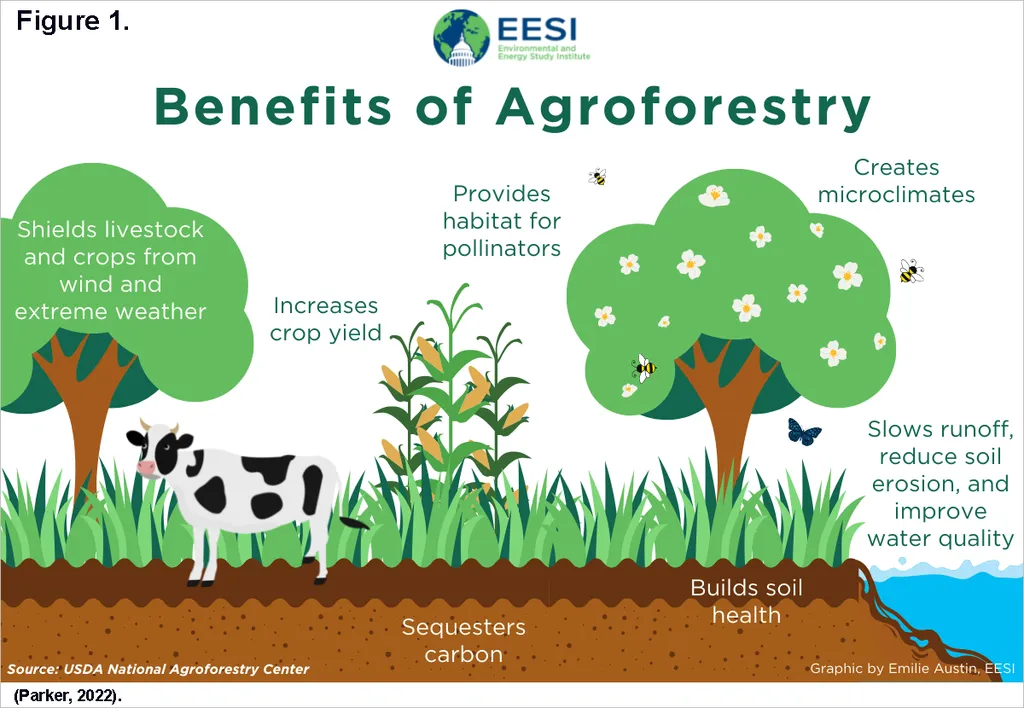
The study, which analyzed 368 peer-reviewed articles, found that four CSA pathways consistently delivered significant results: soil carbon sequestration, precision fertilization, methane-reducing livestock feed, and agroforestry. These methods achieved emission reductions of 20–40%, soil carbon increments of 0.3–0.8 t C ha−1 yr−1, and productivity improvements of 10–25%. “These findings underscore the importance of integrating climate-smart practices into mainstream agriculture,” Awais noted, highlighting the potential for these strategies to reshape the future of farming.
On the adaptation front, the research identified climate-resilient crop varieties, smart irrigation, cover cropping, and mixed farming systems as scalable solutions that enhance both productivity and ecosystem stability. The regional analysis revealed a fascinating divide: developed countries like the United States and Germany are focusing on technology-driven precision agriculture and carbon management, while developing regions such as Kenya, Ethiopia, and India are prioritizing agroforestry, rainwater harvesting, and low-input resilience practices.
The commercial implications for the energy sector are substantial. As agriculture accounts for 25–30% of global greenhouse gas emissions, the adoption of CSA practices could significantly reduce the sector’s carbon footprint, creating opportunities for renewable energy integration and carbon trading. “The energy sector stands to gain from these advancements,” Awais explained, “as sustainable agriculture practices can lead to a more stable and resilient food system, reducing the need for energy-intensive inputs and fostering a circular economy.”
The research provides a roadmap for researchers, policymakers, and development agencies to create climate-resilient food systems. As the world grapples with the impacts of climate change, the insights from this review offer a beacon of hope, guiding the way towards a more sustainable and productive future for agriculture and the energy sector alike. With the findings published in *Climate Smart Agriculture*, the stage is set for a new era of intelligent climate agriculture, where innovation and sustainability go hand in hand.