
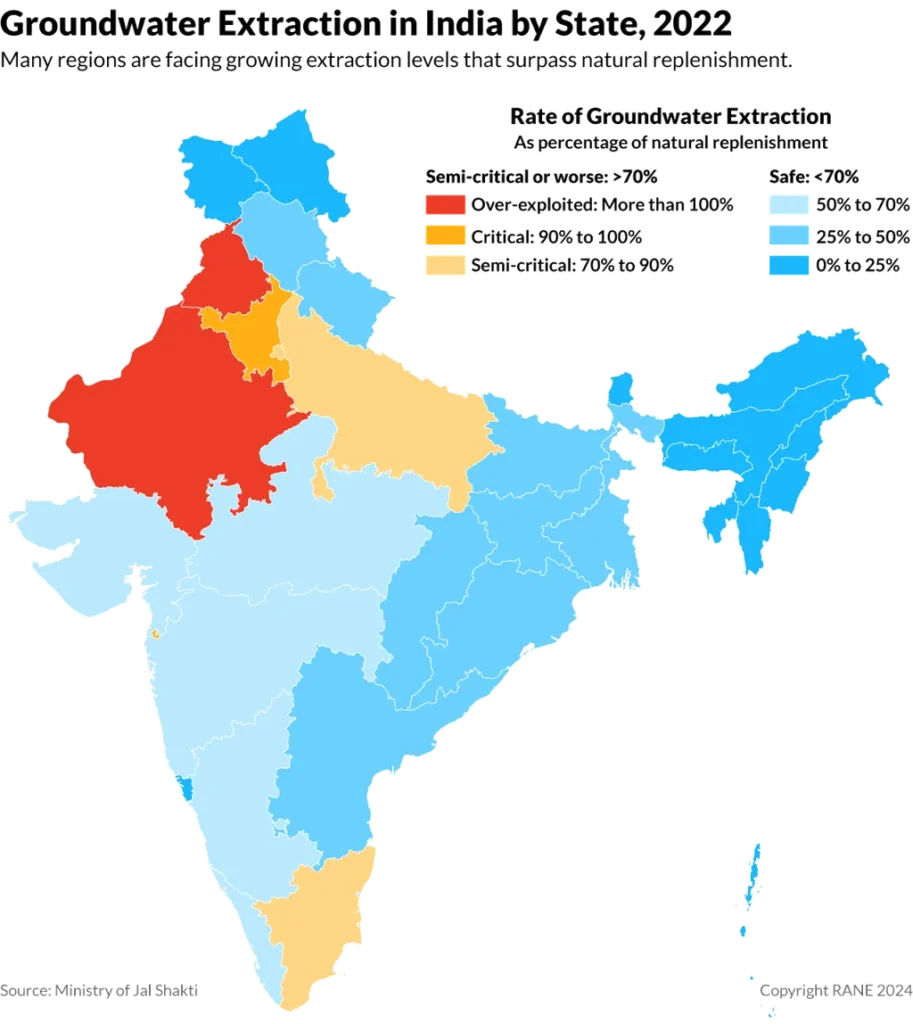
In the heart of South India, a critical resource is under threat, and new research is shedding light on the urgent need for action. Groundwater, the lifeblood of agriculture and industry in the intermontane regions of the Eastern Ghats, is facing severe contamination challenges. A recent study published in the journal *Cleaner Water* (translated as “Clean Water”) has revealed alarming levels of pollution, with significant implications for public health, agriculture, and the energy sector.
Dr. Muthuramalingam Rajendran, a geologist from Alagappa University in Tamil Nadu, led the research that assessed groundwater quality in this semi-arid highland region. The findings are stark: nearly 45% of the samples collected exceeded safe limits for drinking, primarily due to elevated levels of electrical conductivity (EC), total dissolved solids (TDS), total hardness (TH), and toxic metals like cadmium, lead, and chromium.
“Our analysis showed that while natural processes like carbonate weathering and ion exchange play a role, anthropogenic inputs are significantly exacerbating the situation,” Dr. Rajendran explained. “Agricultural runoff and industrial effluents are introducing harmful contaminants into the groundwater, posing serious risks to both human health and agricultural productivity.”
The study employed advanced techniques such as the Heavy Metal Pollution Index (HPI), Heavy Metal Evaluation Index (HEI), and Water Quality Index (WQI) to quantify pollution levels. Spatial variability in water quality was mapped using ArcGIS, providing a detailed picture of the contamination landscape.
For the energy sector, the implications are profound. Groundwater is not only essential for cooling thermal power plants but also for supporting the agricultural supply chains that fuel bioenergy projects. Contaminated groundwater can lead to increased operational costs due to the need for advanced treatment processes and can also pose risks to equipment and infrastructure.
“Sustainable groundwater management is not just an environmental imperative; it’s a commercial necessity,” Dr. Rajendran emphasized. “The energy sector must engage in proactive measures to mitigate these risks, including investing in pollution control technologies and advocating for stricter environmental regulations.”
The research also highlighted critical constraints for irrigation suitability, with EC levels reaching up to 3410 mg/L and sodium adsorption ratio (SAR) values as high as 10 at several sites. These findings indicate significant risks of salinization and sodicity, which can severely impact crop yields and agricultural productivity.
As the region grapples with these challenges, the study underscores the urgent need for targeted pollution control strategies and sustainable groundwater management practices. The findings serve as a wake-up call for policymakers, industry leaders, and communities to collaborate on solutions that protect this vital resource.
Dr. Rajendran’s research, published in *Cleaner Water*, provides a comprehensive assessment of the current state of groundwater quality in the Eastern Ghats and offers a roadmap for future action. The study not only highlights the immediate risks but also points to the broader implications for the energy sector and the economy as a whole.
In a world where water scarcity and pollution are growing concerns, this research is a timely reminder of the need for proactive and sustainable water management practices. As the energy sector continues to evolve, the lessons from this study will be crucial in shaping policies and technologies that ensure a secure and sustainable water future.