
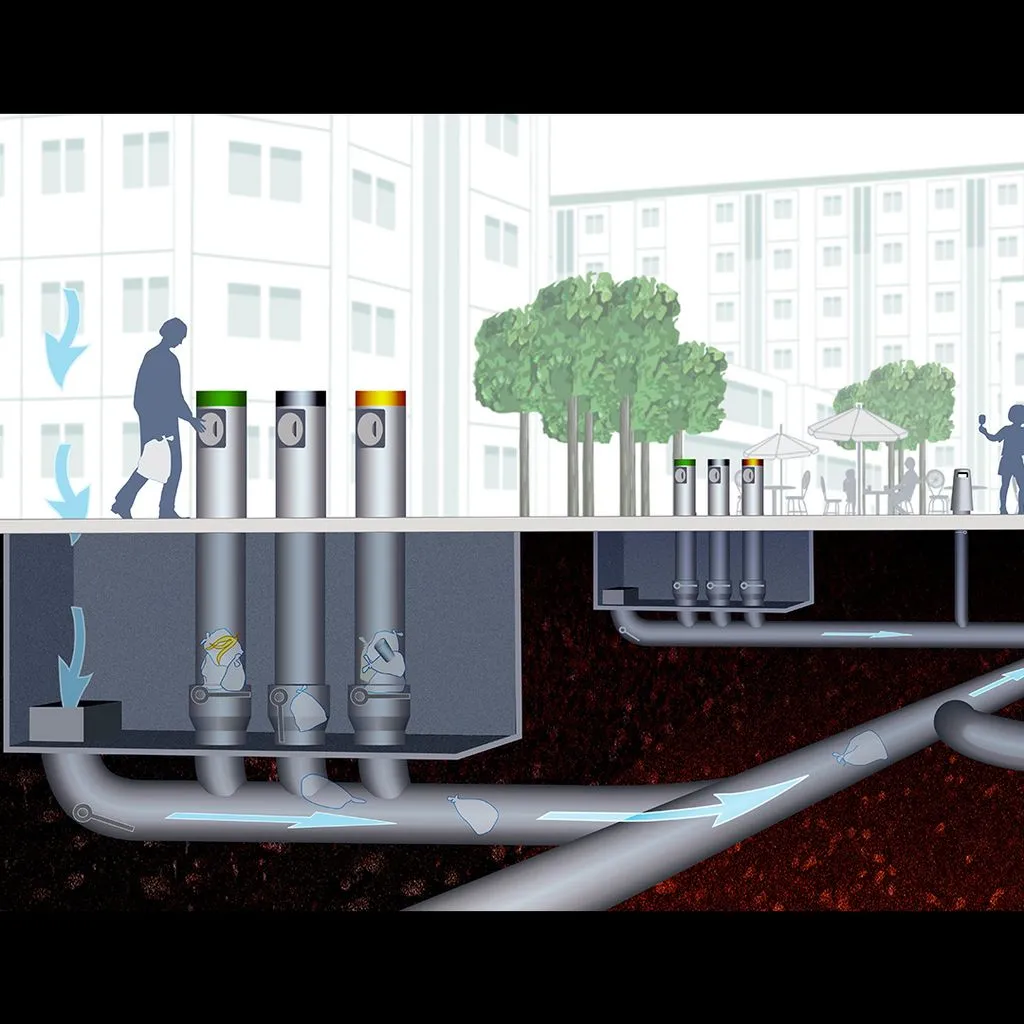
In the heart of Vietnam, a groundbreaking technology is emerging that could revolutionize the way industries handle wastewater, exhaust gases, and solid waste. This innovation, known as Vacuum–Suction Technology, is not just a step forward but a leap towards a more sustainable and efficient future. At the forefront of this research is Luong Nguyen Duc, a dedicated researcher from the Faculty of Natural Resources and Environment at Vietnam National University of Agriculture.
The technology integrates water, gas, and solid waste treatment into a single, closed system, addressing multiple pollution challenges simultaneously. Traditional methods often tackle one type of pollutant at a time, leading to inefficiencies and high operational costs. This new approach, however, combines vacuum suction and compression pressure to maximize gas-liquid mixing and contact within an enclosed Octola reactor. The result? A significant boost in neutralization, precipitation, and absorption efficiency.
The implications for the energy sector are substantial. Industrial wastewater treatment has seen remarkable improvements, with removal efficiencies of 87.1% for COD, 88.6% for TSS, and 90.0% for NH3–N. Heavy metals are also effectively removed, with efficiencies exceeding 85%, and total coliforms are reduced by an impressive 99.4%. These results meet both Vietnamese QCVN and WHO standards for water reuse, opening up new possibilities for water recycling and conservation in industrial processes.
Exhaust gas treatment is equally impressive. The system removes 91.8% of SO2, 85.7% of NOx, and over 95% of HCl and HF. VOCs and CO are reduced by over 90%, and total particulates are cut down by 92%. “This technology not only enhances treatment efficiency but also reduces chemical consumption by 30–50% compared to conventional wet scrubbers,” explains Luong Nguyen Duc. This reduction in chemical usage translates to lower operational costs and a smaller environmental footprint, making it an attractive option for energy companies looking to improve their sustainability credentials.
Solid waste treatment is another area where this technology shines. Leachable heavy metals from sludge and bottom ash are decreased by over 98%, and landfill volume is reduced by 90%. Valuable metals are also recovered, adding an economic benefit to the environmental gains. The system’s ability to reduce installation footprint by up to 40% and shorten hydraulic retention time to just 2–4 hours makes it a practical and efficient solution for industries grappling with space constraints and high treatment costs.
The potential for this technology to shape future developments in the field is immense. As industries worldwide strive for more sustainable and efficient waste management solutions, the Vacuum–Suction Technology offers a comprehensive and integrated approach. Its high treatment efficiency, multi-functional integration, and broad application potential make it a viable solution for waste management and environmental protection, paving the way for a circular economy.
This research was recently published in the E3S Web of Conferences, known in English as the Environmental Science and Sustainable Development Web of Conferences. As the world continues to grapple with environmental challenges, innovations like this one offer hope and a path forward. The future of waste management is here, and it’s looking brighter than ever.