
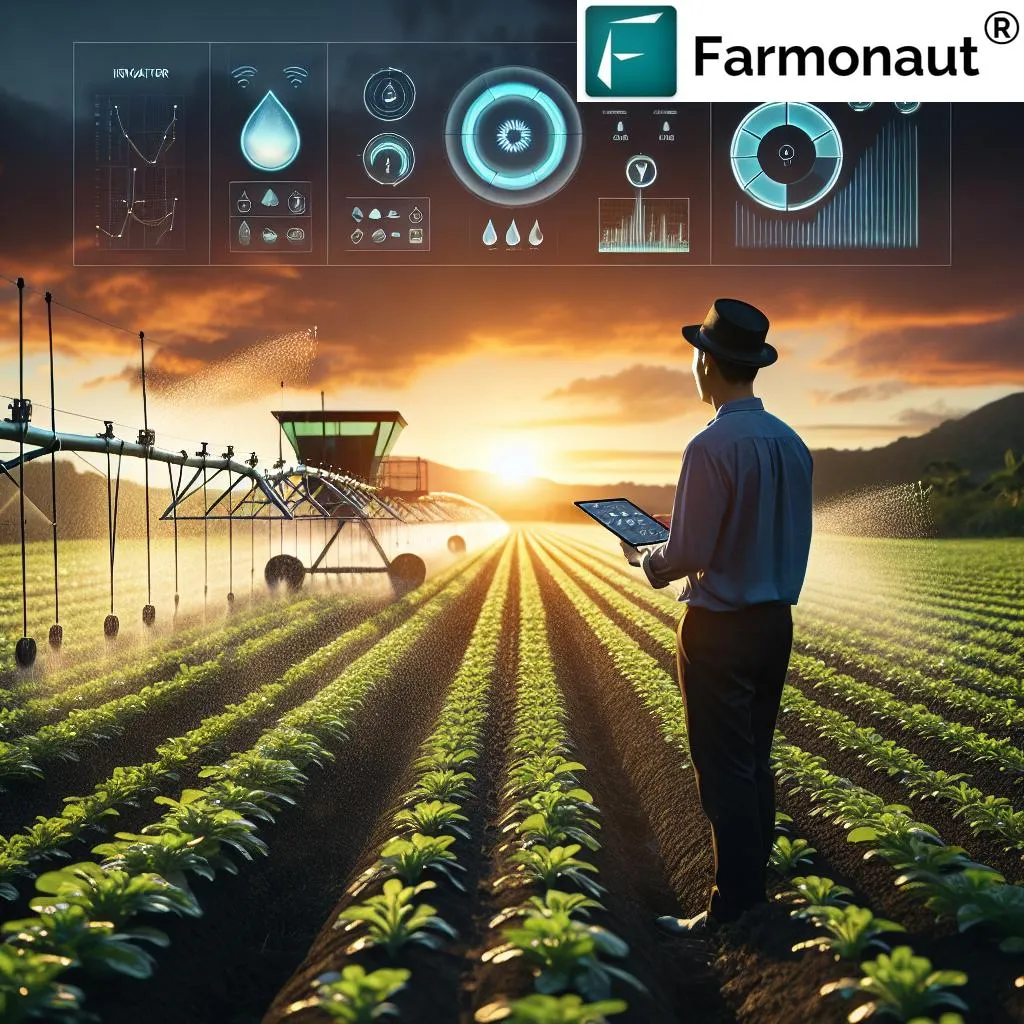
In the heart of Boumerdes, Algeria, a quiet revolution is brewing, one that promises to reshape the future of agriculture and water management. Yousra Boukri, a researcher from the Department of Electrical Systems Engineering at the University of M’hamed Bougara of Boumerdes, has developed an affordable smart irrigation system that could significantly reduce water usage and operational costs for farmers worldwide. This innovative system, detailed in a recent study published in ‘Applied Water Science’ (translated as ‘Applied Water Science’), leverages the power of the Internet of Things (IoT) to bring precision agriculture within reach of small to medium-sized farmers.
The global agricultural sector is grappling with two critical challenges: water resource depletion and high operational expenses due to outdated irrigation systems. Boukri’s research addresses these issues head-on, focusing on the urgent need for cost-effective precision agriculture solutions. The system she developed uses an ESP32 microcontroller as its core component, coupled with a capacitive soil moisture sensor for precise measurements and a DHT11 sensor for environmental data collection. The Blynk IoT platform enables live monitoring and remote system operation, making it a comprehensive solution for modern farming needs.
The system is designed to initiate irrigation when soil moisture drops to 20% and halt it when moisture levels reach 80%. This precise control mechanism ensures optimal water usage, reducing waste and conserving this precious resource. Field tests have shown that the system uses 25–35% less water than traditional fixed-schedule irrigation systems, a significant achievement that could have far-reaching implications for the energy sector as well.
“The system achieved operational success through field tests, which showed it used 25–35% less water than fixed-schedule irrigation systems while reducing operational expenses,” Boukri explained. This reduction in water usage not only benefits the environment but also translates to lower energy costs, as less water needs to be pumped and treated.
The commercial impacts of this research are substantial. For the energy sector, which often bears the cost of water treatment and distribution, this system offers a way to reduce energy consumption and operational expenses. By integrating smart irrigation systems into agricultural practices, energy providers can support more sustainable farming methods that align with global water conservation goals.
Moreover, the system’s affordability and ease of replication make it an attractive option for farmers in resource-limited areas. Boukri’s research demonstrates that this innovative design is both technically and financially viable, paving the way for widespread adoption. “The research proves that this affordable design can be duplicated and shows both technical and financial viability, which makes it an effective solution for sustainable farming practices,” she noted.
As the world grapples with the challenges of climate change and resource depletion, solutions like Boukri’s smart irrigation system offer a beacon of hope. By leveraging IoT technology, farmers can achieve greater efficiency and sustainability, ultimately contributing to a more resilient agricultural sector. The research not only highlights the potential of smart irrigation systems but also underscores the importance of innovation in addressing global water and energy challenges.
In the coming years, we can expect to see more developments in this field, as researchers and engineers continue to explore the possibilities of IoT and automation in agriculture. Boukri’s work serves as a testament to the power of innovation and the potential for technology to drive positive change. As the world moves towards more sustainable practices, her research will undoubtedly play a crucial role in shaping the future of agriculture and water management.