
Hunter Roberts, an IT professional turned entrepreneur, is shaking up Sweet Grass County’s waste management landscape with a bold $25 million proposal to eliminate landfills using high-temperature plasma technology. His company, Crazy Mountain Renewables, aims to transform the way communities handle waste, sparking a conversation about sustainability and innovation in the water, sanitation, and drainage sector.
Roberts’ journey began with a simple frustration—a walk through Big Timber’s dog park littered with trash blown in from the local transfer station. “There’s got to be a better way,” he thought, and thus, his mission began. Big Timber currently hauls its trash to Billings, a system that Roberts argues is unsustainable and costly, especially with rising fuel prices and increasing waste volumes.
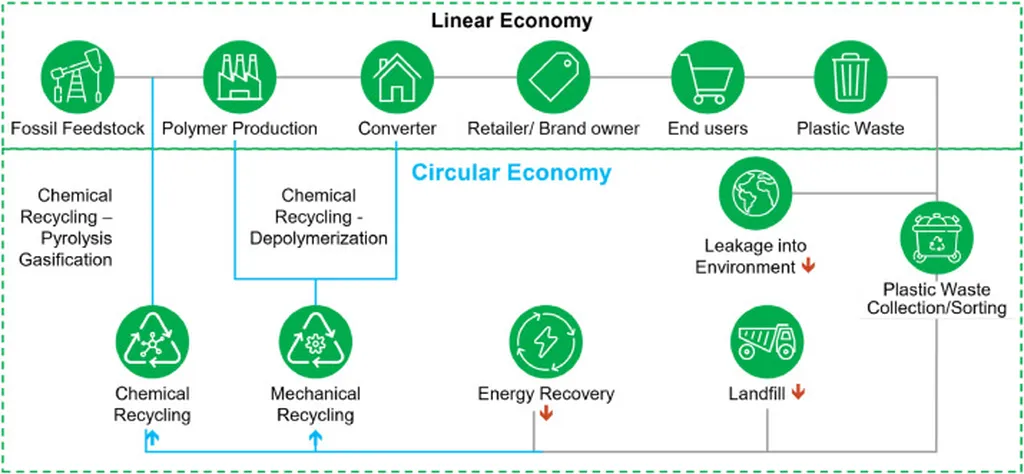
His solution? Plasma gasification technology, a process that uses extremely high temperatures to break down trash into inert, non-toxic byproducts. Roberts found a Canadian company, PyroGenesis, specializing in this technology. He envisions a closed-loop system where trash is processed entirely within a facility, emerging as a reusable, glass-like material called slag. “It’s closed loop. There’s no smokestack. There’s no toxic things going into the air,” Roberts asserts.
The technology isn’t new—it’s been used in military applications and some European facilities for decades. A smaller-scale version even operates aboard the USS Gerald R. Ford aircraft carrier. However, Roberts aims to bring this proven technology to an urban environment, potentially revolutionizing waste management in Montana and beyond.
The estimated $25 million cost covers equipment, construction, grid connection, training, and startup costs. Roberts is seeking private investment and has launched a GoFundMe campaign. If successful, the facility could eliminate roughly 2,400 tons of trash per year and save Big Timber approximately $300,000 instantly in transportation costs. It could also remove the need for the city to develop its own landfill in the future.
Roberts has already garnered support from local leaders, including Big Timber’s mayor, and plans to present his proposal to the City Council next month. He is also meeting with state and federal officials. If approved and funded, construction would take about three years.
For Roberts, this proposal is about more than waste management; it’s about protecting Montana’s outdoors. “Walk right out the back door and look at the mountains. Look at the fields,” he says. “Everything that has to do with Montana and why we live here is exactly the reason we do not want to add another landfill.”
His vision challenges the status quo and pushes the sector to think differently about waste management. If successful, Roberts’ project could set a precedent for other communities, encouraging them to explore innovative, sustainable solutions. It could also drive investment in similar technologies, fostering growth and development in the water, sanitation, and drainage sector. Moreover, it could influence policy, prompting governments to reconsider their waste management strategies and invest in cutting-edge technologies.
However, the path forward isn’t without challenges. Securing funding, navigating regulatory hurdles, and gaining community support will be crucial. But if Roberts’ enthusiasm and determination are any indication, the future of waste management in Big Timber—and perhaps beyond—could be on the cusp of a significant transformation.