
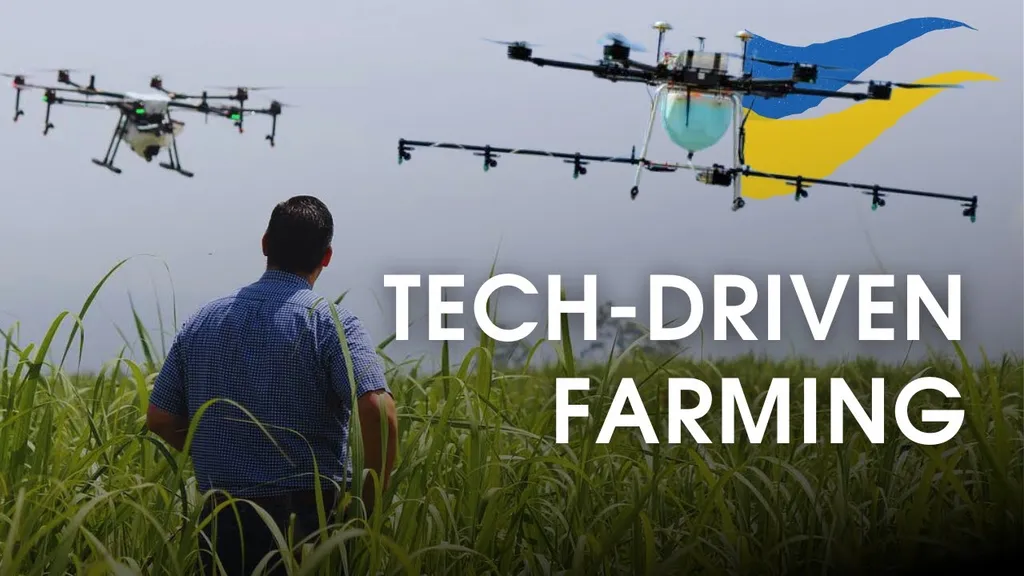
In the heart of Ukraine, a groundbreaking study is reshaping the way we think about agriculture, sustainability, and the role of digital technologies in combating climate change. Led by Dr. Iryna Adamenko from the Bila Tserkva National Agrarian University, the research delves into the concept of climate-smart agriculture (CSA) and its potential to revolutionize the agricultural sector, with significant implications for the energy industry.
Climate-smart agriculture is not just another buzzword; it’s a proactive strategy that combines sustainable practices with cutting-edge digital technologies to increase productivity, adapt to climate change, and reduce greenhouse gas emissions. “The CSA model is a flexible approach that should be adapted to local agro-ecological, socio-economic, and natural-climatic conditions,” explains Dr. Adamenko. This adaptability is crucial for its success and widespread adoption.
The study, published in the journal ‘Економіка та управління АПК’ (Economics and Management of Agro-Industrial Complex), compares CSA with other similar concepts like regenerative agriculture, conservation agriculture, and climate-neutral agriculture. It highlights the unique integrated nature of CSA, which balances economic, social, and environmental goals. This balance is essential for the agricultural sector to contribute effectively to national sustainable development goals.
One of the most compelling aspects of the research is its focus on digital technologies. These tools provide farmers with the means to monitor complex production processes, manage trade-offs, and apply resources with high precision. “In the future, the trend towards automation of technological processes will accelerate, based on the use of robotic systems, AI, digital twins, biotechnology, and circular bioeconomy technologies,” Dr. Adamenko notes. This shift towards automation and precision agriculture can significantly reduce energy consumption and improve efficiency, benefiting the energy sector.
The research also emphasizes the need for investments in local and national institutions, policy coherence, and fair stakeholder participation. It argues that state policy should consider national agro-climatic, economic, and social conditions and should include a reliable system of monitoring, reporting, and verification.
For the energy sector, the implications are profound. As agriculture becomes more efficient and less resource-intensive, the demand for energy could shift, creating new opportunities and challenges. The integration of digital technologies in agriculture could also lead to the development of new energy solutions tailored to the needs of agricultural enterprises.
Dr. Adamenko’s research suggests several measures to promote the CSA model in agricultural practice. These include creating a digital platform for automated assessment of climate impact, providing preferential lending for green initiatives, and developing a national program of voluntary environmental commitments for agricultural producers.
As we look to the future, the integration of climate-smart agriculture and digital technologies offers a promising path towards sustainability and efficiency. For the energy sector, this means new opportunities for innovation and collaboration. The journey towards a sustainable future starts with understanding and implementing these groundbreaking concepts, and Dr. Adamenko’s research is a significant step in that direction.