
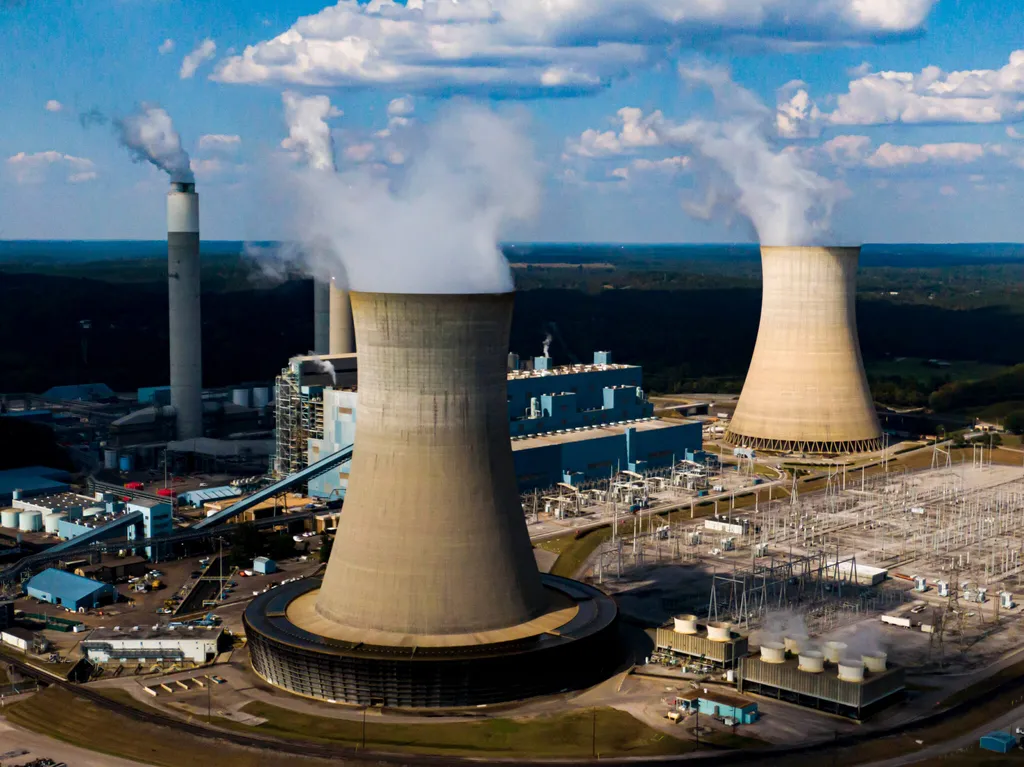
Jefferson County’s industrial facilities reported releasing over 2.7 million pounds of toxic chemicals into the local environment in 2024, marking a slight increase from the previous year but still reflecting an overall improvement from historical levels. The data, sourced from the U.S. Environmental Protection Agency’s (EPA) Toxics Release Inventory, highlights the substantial pollution burden shouldered by Louisville, with significant implications for public health and environmental quality.
The emissions inventory reveals a complex picture. While the total volume of pollutants remains high, several facilities have made notable strides in reducing their chemical releases. This progress suggests that targeted interventions can yield meaningful improvements in air and water quality, even as the broader industrial landscape grapples with persistent challenges.
The majority of emissions—approximately 97% by weight—originated from a handful of major sources, including Louisville’s concentration of chemical manufacturers, the LG&E and KU coal-fired power plant, and Ford Motor Co.’s local auto plants. These facilities released a range of harmful substances, from carcinogens to toxic metals like mercury and lead, underscoring the urgent need for continued vigilance and innovation in pollution control.
The EPA emphasizes that the quantity of chemical releases alone does not fully capture the potential health or environmental risks. However, the data serves as a critical starting point for evaluating and mitigating these risks. The inventory, compiled from self-reported data by companies, remains one of the most transparent tools available for tracking local emissions trends over time.
Notably, some of the county’s largest polluters are undergoing facility changes that could further reduce pollution in the coming years. For instance, Chemours, a longtime major polluter, reported a decrease in emissions of HCFC-22, a planet-warming and ozone-depleting chemical. The company completed the installation of new equipment in 2024 that it claims could curb more than 90% of these emissions. Similarly, American Synthetic Rubber Co. plans to replace coal boilers with gas, a move expected to significantly reduce greenhouse gas emissions.
Despite these positive developments, the broader regulatory landscape presents challenges. Pollution regulation rollbacks under the Trump administration could hinder progress, particularly as facilities strive to balance economic imperatives with environmental responsibilities. The EPA’s data highlights the need for robust, science-based regulations that prioritize public health and environmental protection.
The geographic distribution of Louisville’s biggest polluters also raises important equity considerations. Many of these facilities are disproportionately located near minority and low-income communities, particularly in the west and south sides of the county. These neighborhoods often face compounded challenges, including worse access to healthcare and less political capital, exacerbating the health disparities linked to industrial pollution.
For example, Bakelite Synthetics, Louisville’s sole emitter of formaldehyde, reported a significant reduction in emissions, attributing the change to reduced operations in part of the plant. The facility shares a property line with homes in the Riverside Gardens neighborhood, where dozens of residents live within a few hundred feet of the plant’s smokestacks. “We are committed to protecting the health and well-being of the communities where we operate,” said Bakelite spokesperson John Branham, underscoring the importance of corporate responsibility in environmental stewardship.
The trends in emissions over time are influenced by various factors, including production levels and the composition of materials used. For instance, Ford Motor Co. increased production at its Kentucky Truck Plant by about 30% in 2024, which coincided with an increase in emissions of glycol ethers, n-Butyl alcohol, and other compounds. This highlights the delicate balance between industrial output and environmental impact, necessitating innovative solutions that can support economic growth without compromising public health.
The shift away from coal toward natural gas at the Mill Creek power plant offers a promising example of how technological advancements can drive environmental progress. While natural gas is not without its environmental drawbacks, it burns much cleaner than coal, contributing to reduced levels of lung-irritating pollutants. This transition reflects a broader trend toward cleaner energy sources and underscores the potential for significant improvements in air quality.
Toxic releases to local waterways also saw a notable decline, with discharges totaling about 55,000 pounds in 2024. The Bakelite Synthetics plant and the Mill Creek power plant were the primary contributors, releasing substances like methanol, formaldehyde, ammonia, and various metals. These pollutants can have downstream effects on water quality, particularly in the Ohio River, emphasizing the need for comprehensive water management strategies.
The 2024 emissions data from Jefferson County serves as a reminder of the ongoing challenges and opportunities in the water, sanitation, and drainage sector. While progress has been made, the persistent burden of pollution underscores the need for continued innovation, robust regulations, and equitable policies that prioritize the health and well-being of all communities. As the sector evolves, it is crucial to build on these