
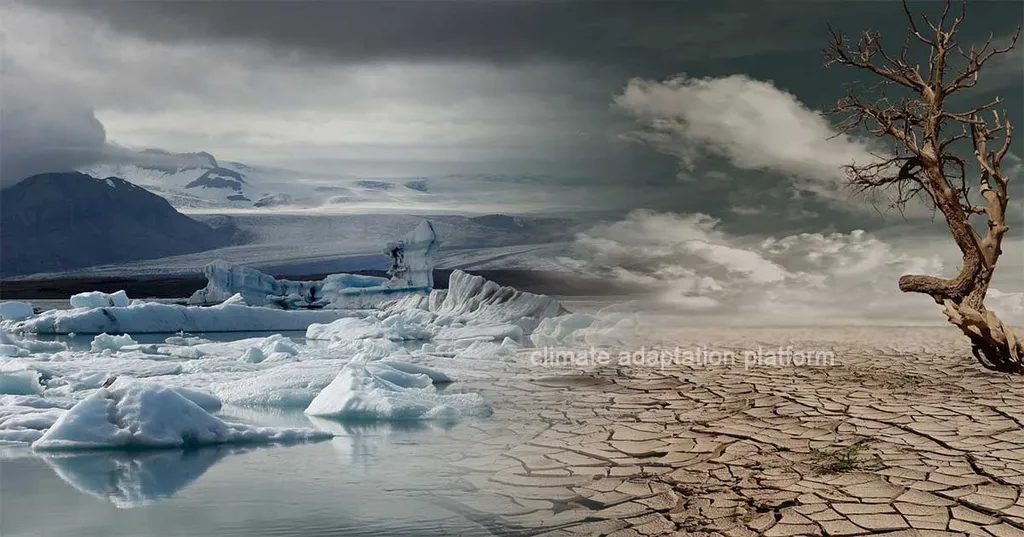
In the heart of Central Asia, Tajikistan stands as a vital reservoir of freshwater, its glaciers and water resources a lifeline for the region. Yet, this lifeline is under threat, and a recent study published in *Regional Sustainability* (translated from Chinese as *Regional Sustainability*) sheds light on the challenges and opportunities that lie ahead. Led by Yaning Chen from the Xinjiang Institute of Ecology and Geography, Chinese Academy of Sciences, the research offers a comprehensive look at the country’s water system, from mountain runoff to downstream supply.
Tajikistan’s water resources are under pressure from multiple fronts. Global warming is accelerating glacier melting, altering hydrological cycles, and leading to unstable runoff patterns. “The changes in glacier melt are not just an environmental concern; they have significant commercial implications, particularly for the energy sector,” Chen explains. Hydropower, a critical component of Tajikistan’s economy, relies heavily on consistent water flow. Unpredictable runoff patterns can disrupt energy production, affecting both domestic supply and regional exports.
The study highlights that outdated infrastructure and poor management are primary causes of low water-use efficiency in the agricultural sector, which accounts for a staggering 85% of the total water withdrawals. Inefficient water use not only strains the country’s resources but also impacts the water-energy-food nexus, a delicate balance that is crucial for sustainable development.
At the governance level, Tajikistan faces challenges in managing transboundary water resources. The country shares its water resources with neighboring nations, and effective cross-border cooperation is essential for sustainable management. “Strengthening cross-border cooperation and improving real-time monitoring systems are critical steps to advance sustainable water resource utilization and evidence-based decision-making,” Chen emphasizes.
The research proposes several core paths for Tajikistan to achieve sustainable water resource management. These include accelerating technological innovation, promoting water-saving agricultural technologies, improving water resource utilization efficiency, and establishing a community participation-based comprehensive management framework.
The findings of this study have significant implications for the energy sector. As the region grapples with the impacts of global change, understanding and managing water resources effectively will be crucial for ensuring energy security and promoting sustainable development. The research calls for a holistic approach to water management, one that considers the interconnectedness of hydrological processes, infrastructure, governance, and community participation.
As Tajikistan and the broader Central Asian region navigate the complexities of water resource management, this study serves as a timely reminder of the importance of sustainable practices and cross-border cooperation. The insights gained from this research can shape future developments in the field, guiding policymakers, industry leaders, and communities towards a more resilient and sustainable future.