
In the quest to decarbonize the energy sector, a groundbreaking study published in *Meitian dizhi yu kantan* (translated as *Modern Geology and Exploration*) has shed light on the carbon emissions of underground coal mines and proposed a path forward through carbon capture, utilization, and storage (CCUS). Led by Shen Xu of the Jiangsu Key Laboratory of Coal-based Greenhouse Gas Control and Utilization, the research offers a comprehensive framework for accounting and reducing emissions in the coal industry, with significant implications for the energy sector.
The study, which focused on the Y Coal Mine, employed life cycle assessment (LCA), emission factor approaches, and direct monitoring to quantify carbon emissions across the entire mining process—from extraction to washing, processing, and transportation. The findings reveal that the mine emits approximately 7.43×10⁵ tons of carbon dioxide equivalent (CO2e) annually, with a staggering 90.8% of these emissions stemming from gas escape, primarily methane (CH4) and carbon dioxide (CO2). “The dominance of gas escape in the emissions profile highlights the critical need for targeted interventions in gas drainage and utilization,” Xu explained.
While direct emissions from fuel combustion were relatively low, indirect emissions—particularly those from electricity and water use—accounted for about 9% of the total. This breakdown underscores the importance of addressing both direct and indirect sources of emissions in the coal mining sector.
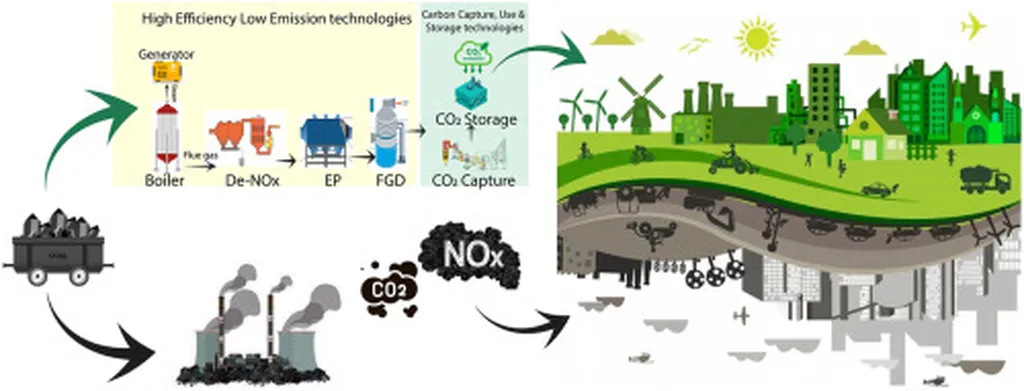
The research also introduces a framework for reducing carbon emissions through CCUS, tailored to the specific conditions of underground coal mines. By capturing and utilizing escaped gases, the study proposes a viable pathway to significantly cut emissions and support the industry’s transition toward greener practices.
The commercial implications of this research are profound. For energy companies operating in the coal sector, the findings provide a clear roadmap for reducing their carbon footprint while maintaining operational efficiency. “This study offers a practical tool for developing a carbon emission accounting system, which is essential for meeting regulatory requirements and achieving sustainability goals,” Xu noted.
As the energy sector grapples with the challenges of decarbonization, this research could shape future developments by encouraging the adoption of CCUS technologies and promoting more sustainable coal mining practices. By focusing on gas drainage and utilization, companies can not only reduce their environmental impact but also potentially unlock new revenue streams through the sale of captured gases.
The study’s publication in *Meitian dizhi yu kantan* further underscores its relevance to the geology and exploration community, bridging the gap between scientific research and practical application. As the energy sector continues to evolve, this research serves as a critical step toward a more sustainable and low-carbon future.