
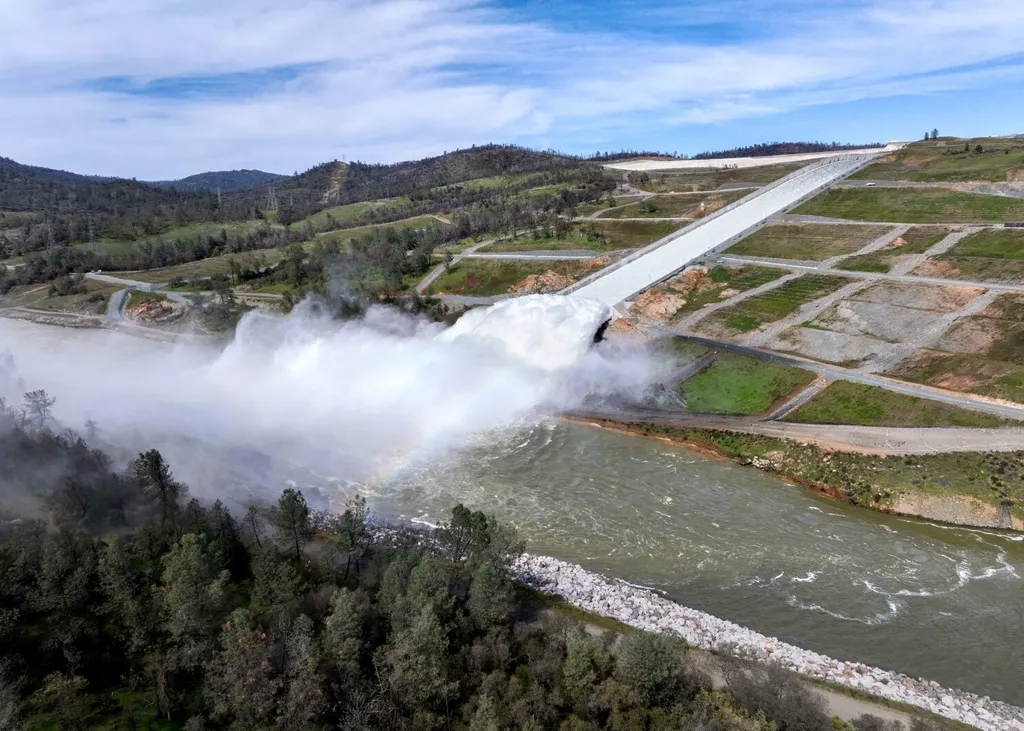
California’s reservoirs are brimming, a stark contrast to the drought-like conditions that have plagued the state for decades. January data from the California Department of Water Resources revealed that major reservoirs, including Sonoma, Shasta, and Oroville, are filled to around 80% of their total capacity, well above historical averages. This respite comes as a relief to residents and water managers alike, but it also underscores the volatile nature of the state’s water future.
The U.S. Drought Monitor’s declaration of California as “drought-free” in early 2026 is a testament to the state’s proactive water management strategies. Early-drought warning systems, increased groundwater recharge capacity, innovative water conservation and reuse technologies, and improved overall water management have all played crucial roles in this turnaround. Governor Gavin Newsom’s statement captures the sentiment well: “California’s water strategy is working. We’re not just managing for today’s conditions — we’re building a system that can handle whatever our changing climate throws at us.”
However, the relief is tempered by the reality of a rapidly shifting climate. Droughts, flash flooding, and extended wildfire seasons are becoming more frequent and severe. While the recent rainfall is a boon, it also serves as a reminder of the challenges ahead. Extreme weather events could strain even the most robust water management systems, and the state must remain vigilant.
Residents, too, are acutely aware of the shifting landscape. Marley Ballard, speaking to ABC 7, expressed the collective relief: “I think it’s awesome, we just walked the trails, you had to avoid puddles, that’s been a long time. The spillway is gorgeous.” Yet, the underlying anxiety about future water security persists.
This news shapes the development of the water, sanitation, and drainage sector in several ways. First, it highlights the importance of adaptive water management strategies. The state’s proactive measures have proven effective, but they must evolve to keep pace with climate change. Second, it underscores the need for robust infrastructure. Reservoirs and drainage systems must be designed to handle both droughts and deluges. Finally, it emphasizes the role of community engagement. Residents’ awareness and support are crucial for the success of any water management strategy.
As California navigates this period of relative abundance, it must also prepare for the inevitable challenges ahead. The state’s water future is uncertain, but its commitment to innovation and resilience offers a beacon of hope.