
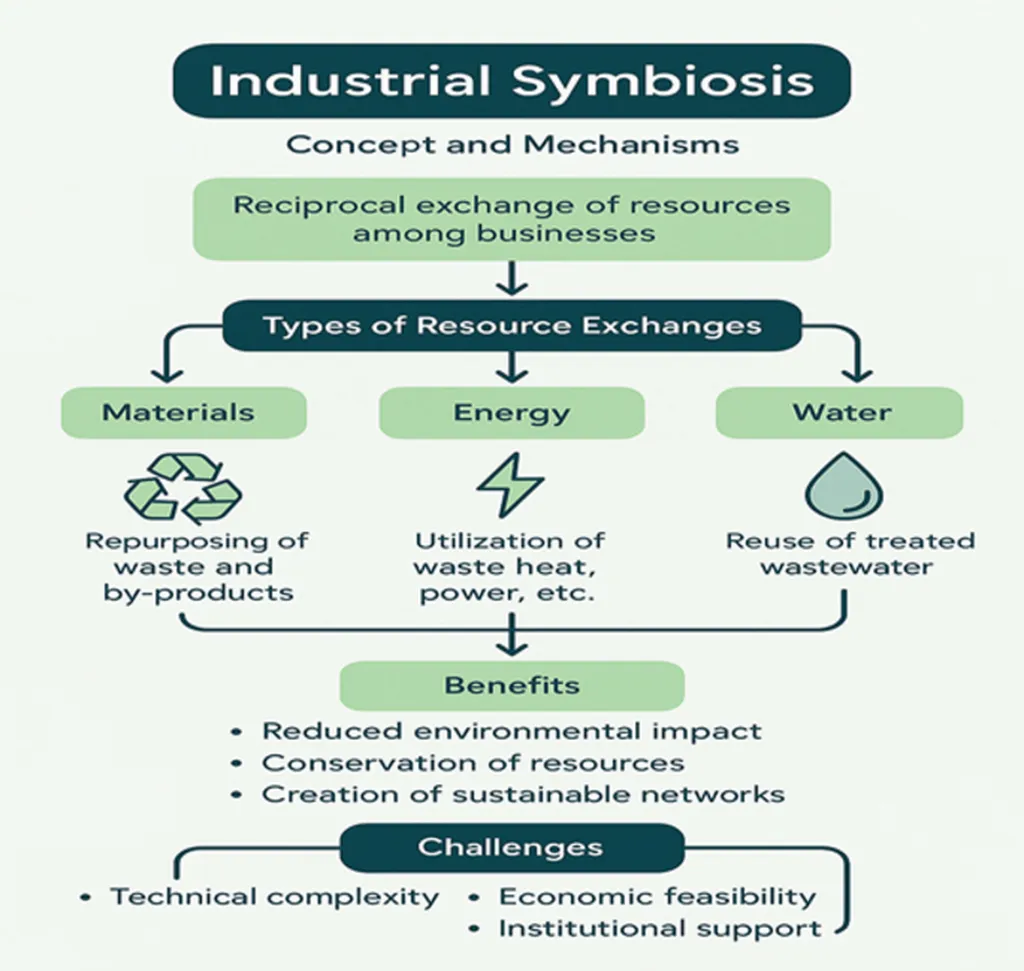
In the quest for sustainable transport, a new study published in the ‘Iustinianus Primus Law Review’ (translated from Latin as ‘The Law Review of Justinian I’) sheds light on the legal aspects of industrial symbiosis in the transport sector, offering a roadmap for companies to optimize resources, reduce waste, and improve energy efficiency. Authored by Biljana Cincurak Erceg, the research delves into the intricate web of regulations that govern this collaborative approach, highlighting its potential to transform the energy sector’s commercial landscape.
Industrial symbiosis in transport is not just about recycling vehicles and parts or using alternative fuels; it’s a holistic approach that involves sharing infrastructure and resources across industries. “This concept is not just environmentally friendly; it’s a strategic business move,” says Cincurak Erceg. By reducing waste and improving energy efficiency, companies can cut costs and enhance their bottom line, all while contributing to a cleaner environment.
The study reveals that while there’s no single legal framework dedicated solely to industrial symbiosis in transport, broader regulations related to sustainability, the circular economy, and emissions reduction play a crucial role. At the heart of these regulations is the European Green Deal, a key policy initiative aimed at achieving climate neutrality by 2050. The Green Deal encourages emissions reduction in the transport sector by promoting energy efficiency, vehicle electrification, and circular economy principles—key components of industrial symbiosis.
However, the research also highlights the challenges. “Inadequate legislation is often mentioned as a barrier to industrial symbiosis,” notes Cincurak Erceg. This underscores the need for more comprehensive regulations that can facilitate and encourage collaborative efforts between companies.
The study lists various issues and regulations that govern sustainability in transport, presenting the most important provisions of European regulations aimed at reducing environmental pollution. These include the Waste Framework Directive, the Directive on the promotion of the use of energy from renewable sources, and the Regulation setting CO2 emission performance standards for new passenger cars and light commercial vehicles.
The implications for the energy sector are significant. As companies strive to meet these regulatory requirements, they will increasingly turn to industrial symbiosis as a strategic tool. This shift could lead to a more collaborative business environment, where companies share resources and infrastructure, ultimately driving down costs and enhancing efficiency.
Moreover, the research could shape future developments in the field by encouraging policymakers to create more comprehensive regulations that facilitate industrial symbiosis. It also serves as a call to action for companies to embrace this collaborative approach, not just as a means to comply with regulations, but as a strategic business move that can drive growth and profitability.
In conclusion, Cincurak Erceg’s research offers a compelling narrative of how industrial symbiosis can revolutionize the transport sector, providing a blueprint for companies to navigate the legal landscape and harness the commercial benefits of this collaborative approach. As the world grapples with the challenges of climate change, this study serves as a timely reminder of the power of collaboration and the role of regulations in driving sustainable business practices.