
In the quest for sustainable water management, decentralized wastewater treatment systems are emerging as a critical solution, particularly in areas where centralized sewerage is impractical. A recent study published in *Frontiers in Environmental Engineering* (which translates to *Frontiers in Environmental Engineering* in English) sheds light on homeowner preferences and willingness to invest in advanced and cluster septic systems, offering valuable insights for policymakers and wastewater professionals.
Led by Kyra Selina Hagge from the Department of Coastal Studies at East Carolina University, the research employs the contingent valuation method to gauge individual homeowner preferences. The findings reveal that homeowners positively value both advanced and cluster septic systems, with a notable preference for advanced systems. “We found that respondents are willing to pay more for advanced septic systems compared to cluster systems,” Hagge explains. “This preference is particularly pronounced when considering the purchase of a new home rather than replacing an existing system.”
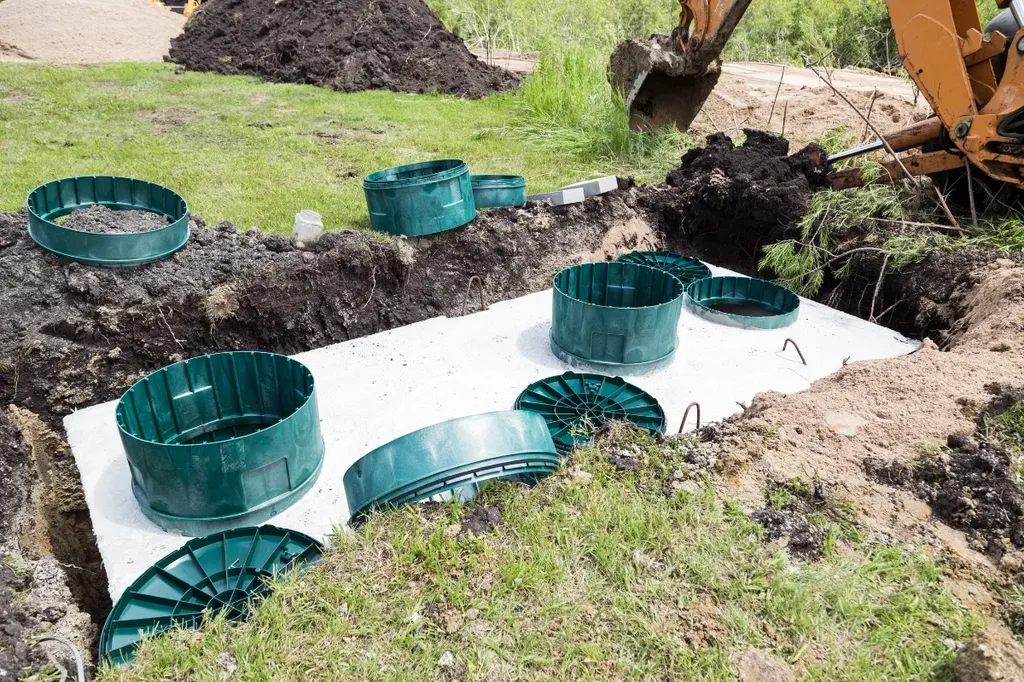
The study highlights the importance of advanced septic systems, which include an additional treatment step for enhanced efficiency, and cluster septic systems, which serve multiple homes simultaneously. These systems are crucial for reducing nutrient and pathogen release, especially in the face of changing environmental conditions. “Traditional septic systems have significant flaws, and these alternatives offer more effective solutions,” Hagge notes.
The commercial implications for the energy and water sectors are substantial. As the demand for sustainable and efficient wastewater treatment solutions grows, companies investing in advanced and cluster septic technologies stand to gain a competitive edge. The research suggests that targeted policies and investments in these technologies can lead to more effective nutrient management and improved water quality.
Moreover, the study’s findings can guide policymakers in developing incentives and regulations that encourage the adoption of these advanced systems. “Our results point to areas where investment is most effective,” Hagge states. “This can help reduce nutrient inputs from both existing and new onsite wastewater treatment systems.”
As the world grapples with climate change and the need for resilient infrastructure, decentralized wastewater treatment systems are poised to play a pivotal role. This research not only underscores the importance of advanced and cluster septic systems but also provides a roadmap for future developments in the field. By understanding homeowner preferences and willingness to invest, stakeholders can make informed decisions that drive innovation and sustainability in water management.