
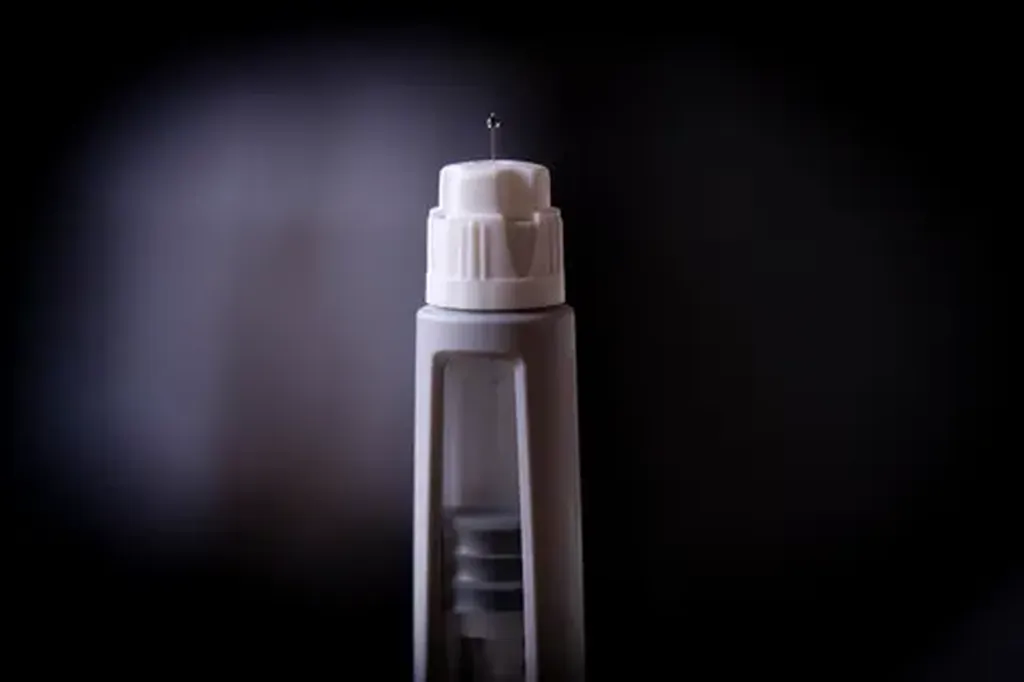
The pharmaceutical and biotech industries are increasingly recognizing the strategic importance of Water for Injection (WFI), a critical utility that is essential for the production of sterile injectable drugs. Compliance with WFI quality standards is not optional; it is a regulatory requirement and paramount for patient safety. Errors and delays in WFI production can stall projects, trigger costly investigations, or, in the worst-case scenario, compromise patient safety. This has led many organizations to outsource WFI production and management, a decision that involves careful consideration of several key factors.
WFI production must comply with stringent microbiological, endotoxin, and chemical purity limits. While the conventional route is distillation, non-distillation approaches are now permitted when validated and properly controlled. This added flexibility has changed the cost calculations involved in WFI systems. There are two key technical considerations to bear in mind in this regard. Firstly, WFI is subject to strict Good Manufacturing Practice (GMP) and validation regimes. Secondly, the choice of production technology affects capital cost, footprint, energy use, and ongoing operational risk.
Several industry trends have combined to elevate WFI from a background utility to a strategic operational focus. The recent surge in biologics, vaccines, and high-dose injectables is fueling WFI demand across clinical and commercial manufacturing. Moreover, regulators, such as the FDA and EMA, expect flawless WFI generation, seamless distribution, and robust continuous monitoring as part of GMP. Consequently, building and validating a WFI facility is a major financial and time investment and calls for specialist operational expertise.
Outsourcing WFI production to Contract Development and Manufacturing Organizations (CDMOs) offers several advantages. It provides immediate access to validated WFI, lowers the total cost of ownership, and offers operational expertise. Partnering with a provider that can demonstrate multi-authority approvals reduces risks, especially for pharma companies with distribution across jurisdictions. For many small and medium-sized companies, this decision is a pragmatic one, allowing them to focus their capital and scientific effort on drug development.
However, trying to go it alone can lead to several pitfalls. Biotech teams often discover WFI complexity late in development. Typical missteps include underestimating timescales, misjudging the required investment, undervaluing staff and testing requirements, and selecting inappropriate technology. These are just a handful of the reasons many organizations opt to partner with a CDMO rather than internalize WFI production prematurely.
ROIS (formerly ROVI Pharma Industrial Services) is a forward-looking CDMO that has integrated WFI into its sterile manufacturing. Consequently, it offers rapid supply at scale in full compliance with Ph. Eur. and USP requirements. Headquartered in Madrid with five facilities across Europe and the US, the injectables specialist embeds WFI considerations early in the tech transfer and line design stages. That means validated water generation, closed distribution loops, routine TOC and endotoxin monitoring, and trained operational teams – all operating under harmonized GMP systems.
ROIS has an impressive inspection history and multi-authority approvals, demonstrating proactive management of WFI production. In practice, this translates to far lower risk and shorter lead times for WFI than developing in-house WFI dossiers from scratch. ROIS offers immediate access to validated WFI and sterile utilities, integrated process design, and the operational bandwidth to support both clinical and commercial volumes.
Another vital consideration regarding WFI is the delivery format. In healthcare settings and in laboratories, the standard choices include multi-dose bags and vials of various sizes. But, when it comes to high-value drug products, such as biosimilar injectables, market demand centers on ultra-safe uni-dose WFI delivery – adding a further layer of complexity to filling and finishing workflows. Drawing on its expert industry insights, ROIS took the decision to invest in filling capacity for PFS with Luer lock adapters. This approach maintains WFI sterility through to the point of use and has been approved by the FDA and EMA.
As the injectable market grows, driven by biologics, vaccines, and high-value therapies, WFI has shifted from a background utility to a strategic operating decision. With various trends fueling demand for WFI, there are arguments in favor of bringing production in-house. Yet, for many companies, particularly smaller biotechs and sponsors under tight timelines, outsourcing WFI to a CDMO offers faster compliance, lower total cost, and the operational muscle to support scale-up. ROIS is a prime example of a partner that combines scale, regulatory approvals, and operational capability to deliver WFI-backed sterile manufacturing quickly, reliably, and at scale. With multi-authority approvals, validated data, and integrated water systems, a partner like ROIS can remove a major point of friction for sponsors – ensuring WFI is not an afterthought but a seamless part of the supply chain.