
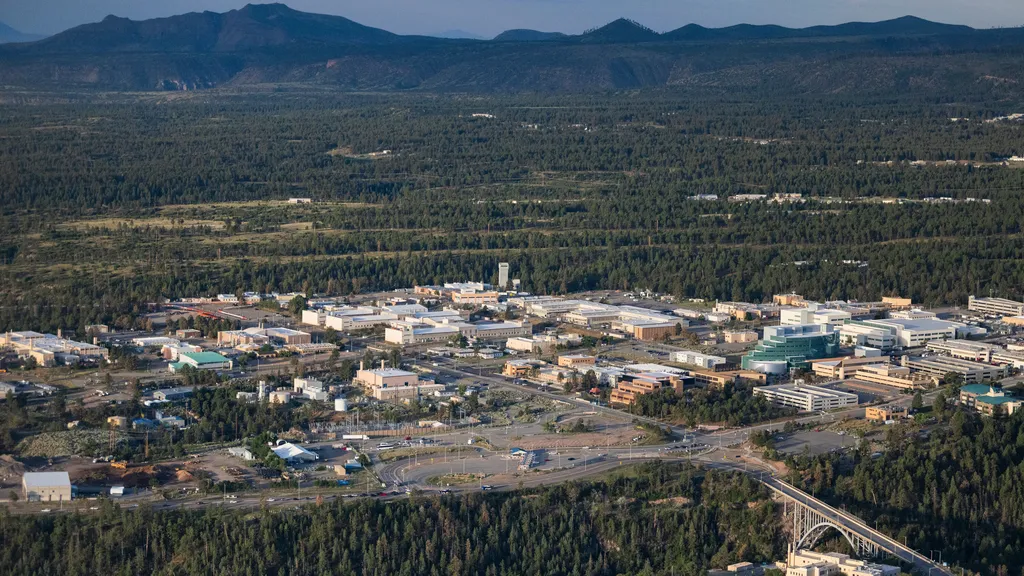
New Mexico is taking a firm stance against the federal government, accusing it of delaying crucial cleanup efforts at the Los Alamos National Laboratory. The state’s Environment Department has initiated enforcement actions, including potential civil penalties of up to $16 million, citing violations of groundwater safety standards. This move underscores the growing environmental risks associated with the lab’s toxic legacy, a byproduct of Cold War-era nuclear activities.
State regulators have expressed concern over years of missed deadlines for addressing hazardous and radioactive waste. The recent expiration of the nuclear arms control treaty between the U.S. and Russia adds urgency to the situation, as increased production of nuclear materials could exacerbate the existing contamination issues. “The continued presence of a large volume of unremedied hazardous and radioactive waste demonstrates a longstanding lack of urgency by the U.S. Department of Energy,” stated regulators, highlighting the severity of the situation.
The dispute brings to light the complex tensions surrounding nuclear technology. While nuclear power offers a means of generating substantial low-pollution electricity, it also produces long-lived radioactive waste that poses significant environmental and public health risks if not properly managed. The Department of Energy currently lacks a disposal facility for this waste, compounding the problem.
New Mexico’s contamination concerns are deeply rooted, dating back decades. Historical practices included burying waste in unlined landfills and septic systems, as well as releasing carcinogenic heavy metals into the environment. Between 1956 and 1972, water containing hexavalent chromium was discharged into a nearby canyon, later detected in the regional aquifer and groundwater beneath San Ildefonso Pueblo at levels exceeding state standards by up to 140%.
Los Alamos National Laboratory remains a key site for producing plutonium bomb cores and modernizing the U.S. nuclear arsenal. This ongoing activity generates new waste while the lab also accepts waste from other states, all without adequately addressing the approximately 500,000 cubic meters of legacy waste already present. Federal funding cuts have further slowed progress, prompting New Mexico to demand more aggressive action.
The state’s Environment Department is pushing for detailed documentation on why cleanup efforts have been deferred. Jessica Kunkle, who oversees environmental management at Los Alamos, has emphasized the priority of tackling legacy waste, pointing to recent efforts such as the removal of 158 metal pipes filled with radioactive waste from a mid-1980s landfill. The U.S. has also taken steps to recycle some Cold War-era plutonium, though these actions remain controversial.
In response, the federal agency has asserted its commitment to public safety, efficiency, and transparency, stating it is reviewing the enforcement actions imposed by New Mexico. The ongoing dispute highlights the critical need for a balanced approach to nuclear technology, one that leverages its benefits while mitigating its risks through effective waste management and cleanup strategies.