
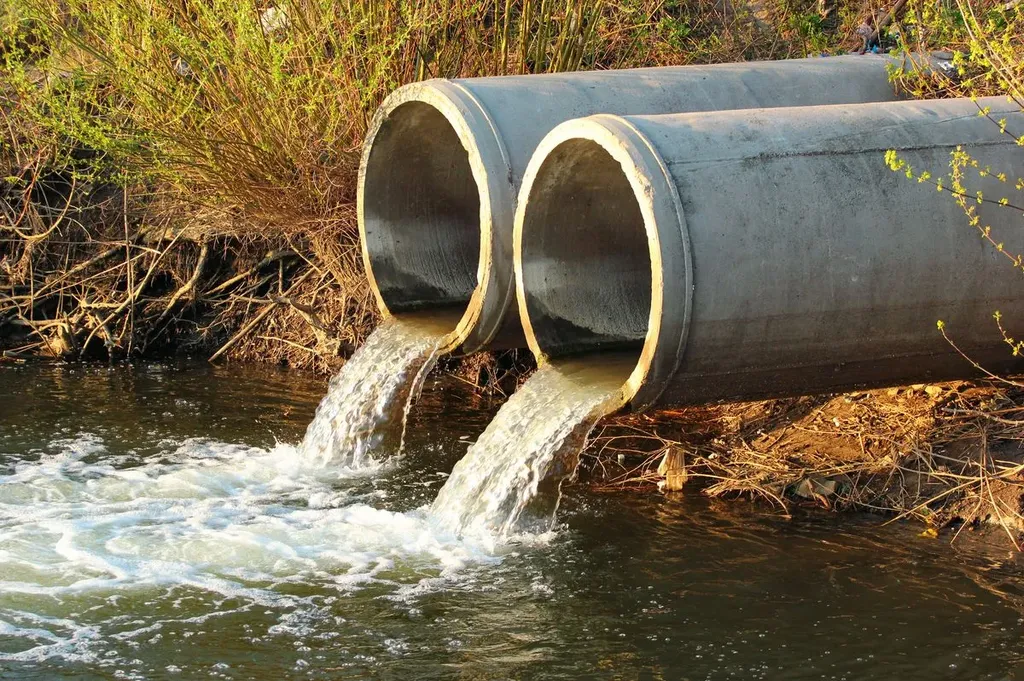
Simon Parsons, Scottish Water’s Director of Environment, Planning and Assurance, has taken a firm stance in a recent blog post, asserting that the publicly owned water company “does not dump sewage.” This statement comes amidst growing public and political scrutiny of wastewater infrastructure across the UK. Parsons’ blog, published on 24 February, aims to clarify and defend Scottish Water’s approach to managing storm overflows, providing a detailed explanation of the utility’s strategies to protect Scotland’s water environment.
Parsons acknowledges the rising public interest in water management, noting that the Channel 4 docu-drama “Dirty Business” has brought the issue to the forefront of public consciousness. “While the TV programme looks at other parts of the UK, you, our customers in Scotland, will naturally be asking questions too, especially around the issue of overflows or ‘CSOs’ as they are otherwise known,” he writes. This acknowledgment underscores the importance of transparency and communication in addressing public concerns.
The blog highlights that over 87% of Scotland’s water bodies are classified as ‘Good’ or better by the national environmental regulator, positioning Scotland’s rivers, lochs, and coastal waters among the best in Europe. Parsons uses this statistic to reinforce the effectiveness of current water management practices. However, he also recognizes the legitimate concerns surrounding combined sewer overflows (CSOs). He clarifies that these overflows are crucial for preventing flooding during heavy rainfall, rather than being mechanisms for dumping sewage.
Parsons rejects the notion that removing overflows entirely is a viable solution, citing the prohibitive costs and disruption such an endeavor would entail. Instead, he outlines a comprehensive strategy that includes enhanced monitoring, targeted investment, and nature-based solutions. These measures aim to reduce the volume of surface water entering the sewer network, thereby minimizing the need for overflow activation.
A key aspect of Parsons’ strategy is fostering stronger collaboration among water companies, regulators, local authorities, developers, and customers. He emphasizes the need for a collective effort to safeguard water quality in the face of climate change and population growth. This collaborative approach is essential for developing sustainable and effective solutions that can withstand future challenges.
By setting out a clear, evidence-based strategy, Parsons aims to reassure the public and stakeholders that Scottish Water is committed to maintaining high environmental standards. His blog serves as a call to action for all parties involved to work together towards a common goal: protecting and enhancing Scotland’s water environment for future generations. The full blog is available for further reading, offering a detailed look at Scottish Water’s plans and the rationale behind them.