
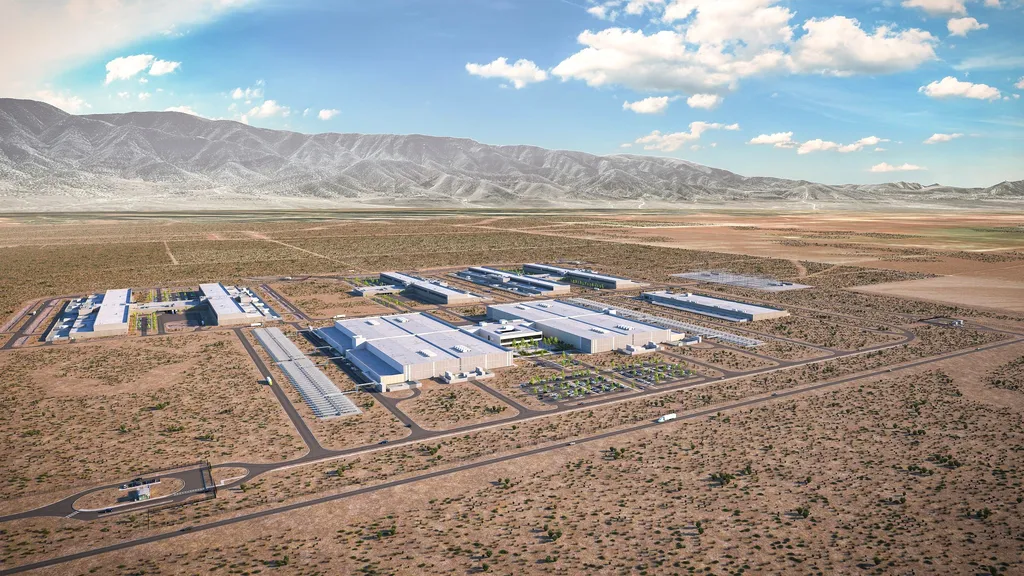
In the arid expanse of Millard County, Utah, a contentious proposal for an artificial intelligence data center has ignited a fierce debate, underscoring the delicate balance between technological advancement and environmental sustainability. As the National Oceanic and Atmospheric Administration confirms, 100% of Millard County’s residents are grappling with the effects of an extreme drought, casting a critical eye on the water-intensive nature of the proposed project.
The controversy stems from the announcement of two large-scale AI data centers in Utah, one of which is touted as potentially the largest in the country. Zach Frankel, executive director of the Utah Rivers Council, has raised alarm bells, stating that such data centers can consume approximately 5 million gallons of water per day—an amount sufficient to meet the annual water needs of 40,000 people. “Data centers don’t typically employ many people, but they use a lot of water. So, their contribution to a local community is just to suck water away from the existing water supply,” Frankel told ABC4, highlighting the stark disparity between the economic benefits and the environmental costs.
On the other hand, proponents of the project argue that advancements in cooling technology could mitigate some of these concerns. Creek Energy, as reported by ABC4, asserts that many operators utilize closed-loop cooling systems that rely on various fluids instead of water. These systems, when powered by gas, can allegedly be “net water-positive,” generating about 100 acre-feet of new water per 100 megawatts annually. While this approach promises a significant reduction in water use—up to 90%—it is not without its drawbacks, as burning gas for energy releases harmful pollution into the atmosphere.
The broader implications of water-intensive projects in drought-stricken areas are profound. Such ventures not only contradict efforts to stabilize the environment and mitigate drought severity but also undermine community resilience against extreme weather conditions. For instance, during a prolonged drought in Texas, multiple cities were forced to implement water restrictions to conserve dwindling supplies. The strain on public systems, exacerbated by aging infrastructure vulnerable to heat, flooding, and drought, underscores the need for careful integration of water-intensive facilities into long-term resource planning.
Legislative efforts to address these issues are underway, with a bill expected to reach Capitol Hill that would keep data center water usage data anonymous and aggregated. Researchers warn that this lack of transparency could limit the ability to hold facilities accountable for their environmental impacts. Without stringent regulations, companies may report their environmental footprints in a manner that obscures their true effects.
Innovation in cooling technologies offers a glimmer of hope. A recent study identified a new material design that can enhance data center cooling efficiency, potentially reducing water consumption. Meanwhile, water agencies in California are taking proactive steps to capture and store rainwater before droughts, improving reservoir management and ensuring a more resilient water supply.
Individuals can play a crucial role in advocating for sustainable practices. By exploring critical climate issues and understanding the direct impact of data center operations on their communities, residents can use their voices to influence local representatives. Ensuring community wellness should take precedence over profit, driving a shift towards more sustainable and equitable resource management.
As the debate in Millard County unfolds, it serves as a microcosm of the broader challenges facing the water management and utilities sector. The tension between technological progress and environmental stewardship demands a nuanced approach, one that prioritizes innovation, transparency, and community resilience. In this high-stakes arena, the choices made today will shape the sustainability of our water resources and the well-being of future generations.