
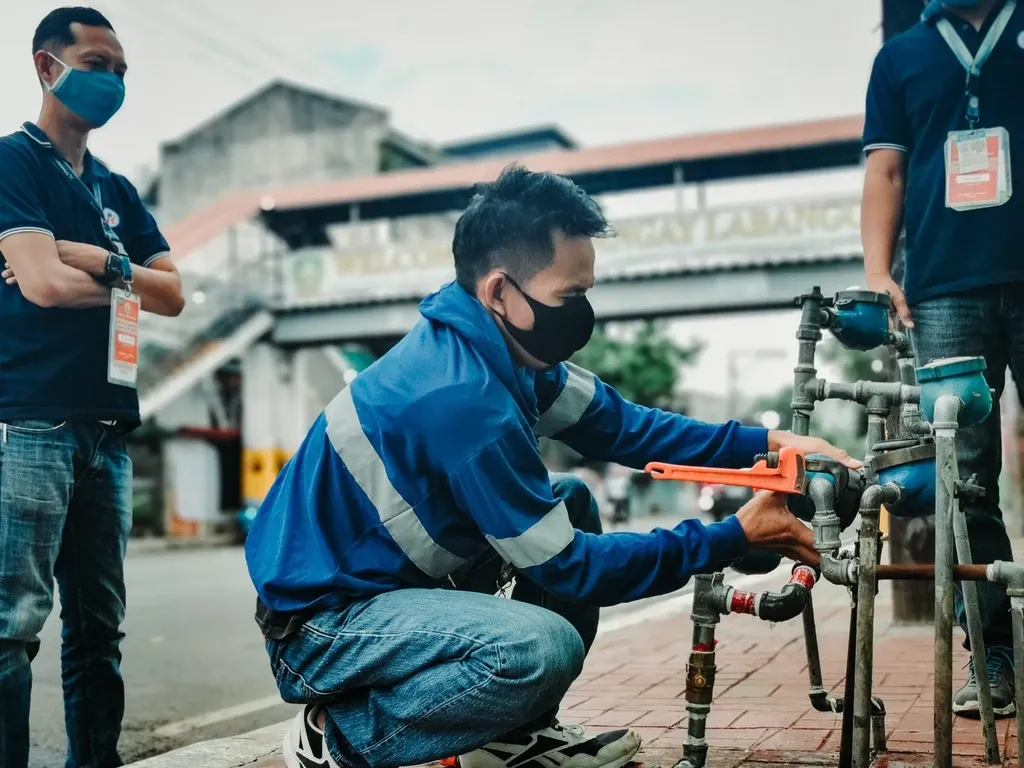
The Metropolitan Cebu Water District (MCWD) faces severe criticism from the Cebu Electricity Rights Advocates (Cera) over its Non-Revenue Water (NRW) levels, described as a “fiscal and humanitarian disaster” by Cera convenor Nathaniel Chua. The utility’s NRW levels, currently estimated at 30 to 32 percent, significantly exceed the 20 percent ceiling set by the Local Water Utilities Administration (LWUA). This inefficiency, according to Chua, places an undue burden on the poor, forcing them to pay for water that never reaches their faucets.
Chua’s statement underscores the financial implications of the NRW issue, with hundreds of millions of pesos lost annually. These funds, he argues, could have been used to stabilize the aging distribution network or subsidize lifeline consumers. The group’s criticism extends to the utility’s infrastructure priorities, with Chua pointing out that MCWD seems to favor expensive new supply sources over the replacement of outdated asbestos cement pipes.
The situation is further complicated by the local garbage crisis. Chua warns of a dangerous synergy between MCWD’s technical inefficiency and the unmanaged waste near water distribution lines. During power outages, common during “Yellow Alerts,” water pressure drops create a vacuum effect, increasing the risk of contamination from nearby waste sites. The lack of industrial-grade liners in these temporary waste sites allows toxic runoff to seep into the soil and water table, exacerbating the problem.
Cebu’s aquifers are also under threat due to over-extraction, with withdrawal rates roughly double the natural recharge rate. This over-extraction leads to severe environmental impacts, including ground subsidence and permanent saltwater intrusion. The situation is particularly vulnerable to droughts and seasonal rainfall fluctuations, further straining the region’s water resources.
Cera calls for immediate “operational synergy,” starting with the closure of Pond A as a dumpsite and the relocation of “Bagsakan” operations to a facility with proper wastewater treatment. The group also criticizes the utility’s failure to secure non-interruptible power lines for pumping stations, which leads to pressure drops that damage pipes and invite contamination.
The ongoing inefficiency and infrastructure neglect at MCWD highlight the urgent need for reform. As Chua aptly puts it, “MCWD is straining the household budget to fund a system that is literally bleeding consumers dry.” The utility’s challenges serve as a stark reminder of the broader issues facing water management in the region, where fiscal responsibility and environmental sustainability must go hand in hand.