
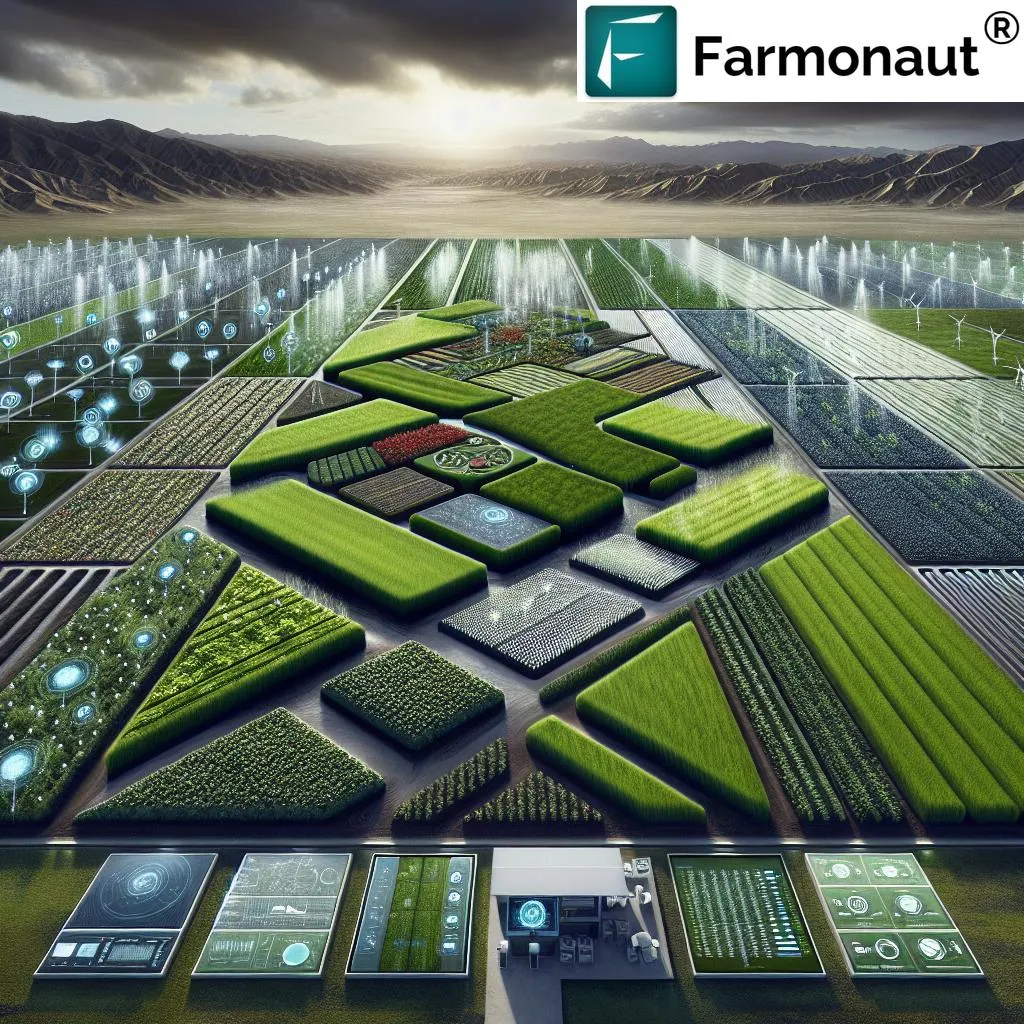
In the face of climate uncertainty and water scarcity, a groundbreaking review published in *Discover Water* (translated as “Exploring Water”) is reshaping how we think about irrigation water quality and sustainable agriculture. Led by Mohamed A. E. AbdelRahman of the National Authority for Remote Sensing and Space Sciences (NARSS), the research challenges conventional hydrochemical frameworks, advocating for a smarter, more integrated approach to water management in agriculture.
Traditionally, irrigation water quality assessments have relied on narrow hydrochemical indices, which often fail to capture the intricate interactions between soils, crops, and climate. AbdelRahman’s review highlights the limitations of these classical frameworks, emphasizing the need for a more holistic understanding of water quality in agroecosystems. “Conventional methods rarely predict long-term soil degradation and crop responses accurately,” AbdelRahman notes. “We need to move beyond static assessments and embrace intelligent, integrated, and adaptive frameworks.”
The review synthesizes advances in agroecosystem intelligence, leveraging remote sensing, geographic information systems, and artificial intelligence to enable predictive and spatially explicit water-quality monitoring. By integrating these technologies, farmers and policymakers can make more informed decisions, enhancing both productivity and environmental sustainability.
One of the most compelling aspects of this research is its focus on the soil–water–crop nexus. The review links water composition to soil health, nutrient cycling, and food security, situating irrigation water quality within the broader context of the Sustainable Development Goals (SDGs). “We’re not just talking about water quality in isolation,” AbdelRahman explains. “We’re looking at how water composition affects the entire agroecosystem, from soil health to food security.”
The implications for the energy sector are significant. As water scarcity becomes an increasingly pressing issue, the demand for efficient and sustainable water management practices will grow. This research provides a roadmap for developing climate-resilient irrigation systems that can withstand the challenges posed by climate change. By adopting these intelligent, integrated frameworks, the energy sector can contribute to more sustainable and resilient agroecosystems, ultimately supporting global food security.
The review also identifies persistent knowledge gaps, including the need to integrate water-quality indices with system-level models and evaluate trade-offs between productivity and environmental risk. Designing governance frameworks for equitable access to safe irrigation water is another critical area for future research.
As the world grapples with the impacts of climate change, this research offers a timely and thought-provoking perspective on the future of water management in agriculture. By embracing smart water management practices, we can build more resilient and sustainable agroecosystems, ensuring food security for future generations. The insights from this review, published in *Discover Water*, are set to shape future developments in the field, driving innovation and progress in sustainable agriculture.