
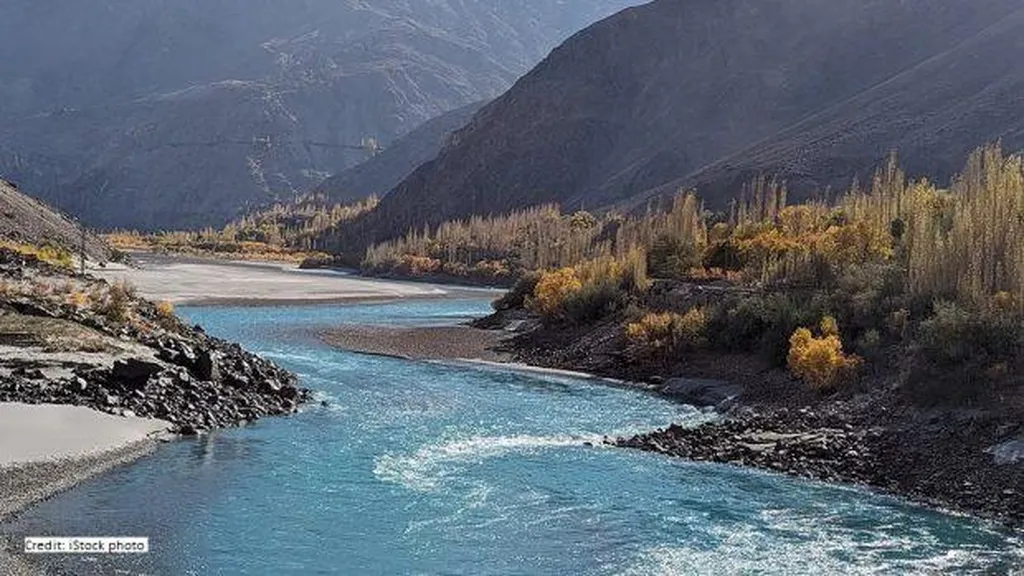
In the heart of the Himalayas, the Saryu River sustains the lives of over 361,000 people, providing vital resources for agriculture, biodiversity, and daily needs. Yet, the health of this critical waterway has often been overlooked. A recent study published in the journal ‘Environmental Quality and Analysis’ (EQA) sheds light on the importance of maintaining environmental flows in the Saryu River, offering insights that could reshape how we manage Himalayan rivers and their valuable resources.
Reena Rana, a researcher from Geethanjali College of Engineering and Technology in Telangana, led the study, which employed four distinct hydrological approaches to assess the environmental flows of the Saryu River. The research underscores the necessity of preserving river health to support the myriad functions it serves, from irrigation to biodiversity conservation.
The study’s findings reveal that hydrology-based methods of Environmental Flow Assessment (EFA) are crucial for planning environmental allocations, particularly in developing countries where resources may be limited. “These methods represent a necessary first step in ensuring that rivers like the Saryu remain sustainable and continue to support the communities that depend on them,” Rana explained.
The research also highlights the complementary nature of different EFA techniques, which can be particularly useful in regions with limited eco-hydrological data. By comparing and contrasting various methods, the study provides a more comprehensive understanding of the river’s needs and the potential impacts of human intervention.
For the energy sector, the implications are significant. Hydropower projects, which are prevalent in the Himalayan region, often alter river flows, potentially harming ecosystems and the communities that rely on them. The study’s findings could guide more sustainable practices in the energy sector, ensuring that hydropower development does not come at the expense of environmental health.
Moreover, the research suggests a suitable environmental flow schedule for various gauged stations along the Saryu River. This schedule could serve as a model for other Himalayan rivers, helping to mitigate the negative impacts of dams and other infrastructure on riverine ecosystems.
As the world grapples with the challenges of climate change and increasing water demand, studies like Rana’s are more important than ever. They provide a roadmap for balancing human needs with environmental sustainability, ensuring that rivers like the Saryu continue to thrive for generations to come.
The research published in EQA, which translates to ‘Environmental Quality and Analysis’, offers a glimpse into the future of river management, one where science and sustainability go hand in hand. As Rana puts it, “Our goal is to create a harmonious balance between human development and environmental conservation, and this study is a step in that direction.”