
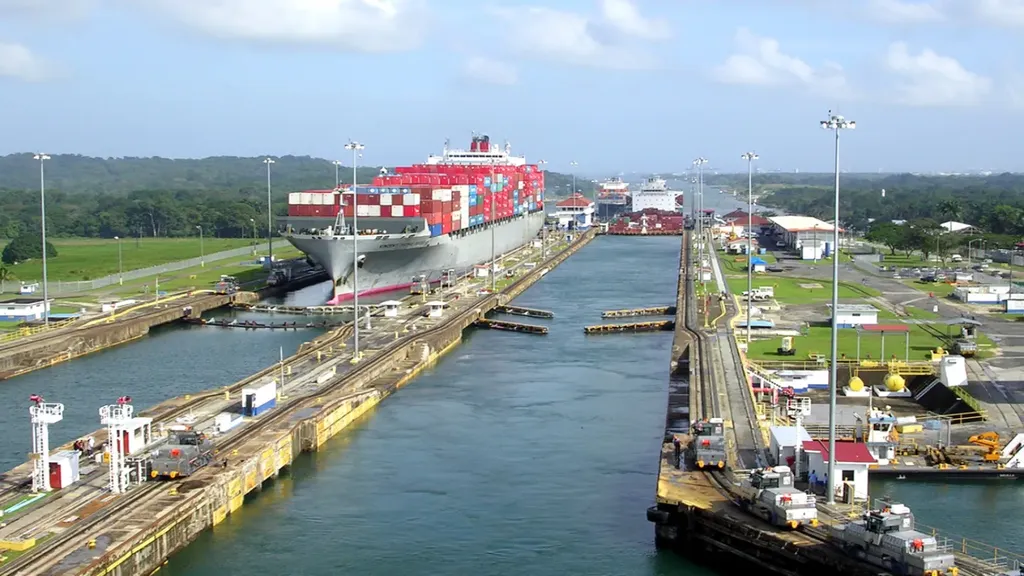
In the heart of Brazil’s bustling maritime industry, a critical question looms: How can the country’s ports keep pace with the demands of modern shipping while maintaining environmental stewardship? A recent study published in *Sustainable Futures* (translated from Portuguese as *Futures Sustainables*) sheds light on this very issue, offering a comprehensive environmental performance assessment of Brazilian ports capable of accommodating post-Panamax ships.
Led by Adriane Marques Pimenta of the Institute of Geosciences at the Federal University of Minas Gerais, the research evaluates the Índice de Desempenho Ambiental (IDA), or Environmental Performance Index, across 51 Brazilian ports. These ports are not just gateways for the export of agricultural products, minerals, and industrial goods; they are pivotal to Brazil’s economic future. The study’s findings reveal a mix of strengths and areas needing urgent attention, with significant implications for the energy sector and beyond.
“Larger ports with greater financial resources, particularly those in the South and Southeast regions, generally outperformed others,” Pimenta notes. This disparity highlights the need for targeted investments to ensure equitable and sustainable modernization across the country. The study identifies strong performance in areas such as environmental licensing and solid waste management, with many ports reporting no environmental accidents in the past year. However, critical gaps persist, particularly in energy management.
One of the most pressing issues is the adoption of renewable energy and the provision of onshore power supply. These are not just environmental concerns but also commercial imperatives. As the global maritime industry increasingly prioritizes sustainability, ports that lag in these areas risk losing competitiveness. “Addressing these deficiencies through targeted investments will be crucial for ensuring the sustainable expansion of Brazilian ports,” Pimenta emphasizes.
The study also underscores the need to modernize the IDA framework by incorporating new indicators, such as carbon footprint assessment and stakeholder engagement. Updating the index would enhance the assessment of Brazilian ports, aligning them with global sustainability standards and strengthening their competitiveness in the maritime industry.
The findings of this research could shape future developments in the field by providing a roadmap for sustainable modernization. For the energy sector, this means opportunities to invest in renewable energy solutions and onshore power supply systems, which are critical for reducing the environmental impact of port operations. It also highlights the need for greater transparency and stakeholder engagement, ensuring that all voices are heard in the push for sustainability.
As Brazil’s ports prepare to accommodate larger vessels and increased traffic, the insights from this study are timely and relevant. By addressing the identified gaps and leveraging the strengths, Brazilian ports can not only meet the demands of modern shipping but also set new standards for environmental performance. The journey towards sustainable modernization is complex, but with targeted investments and a commitment to innovation, the future looks promising.