
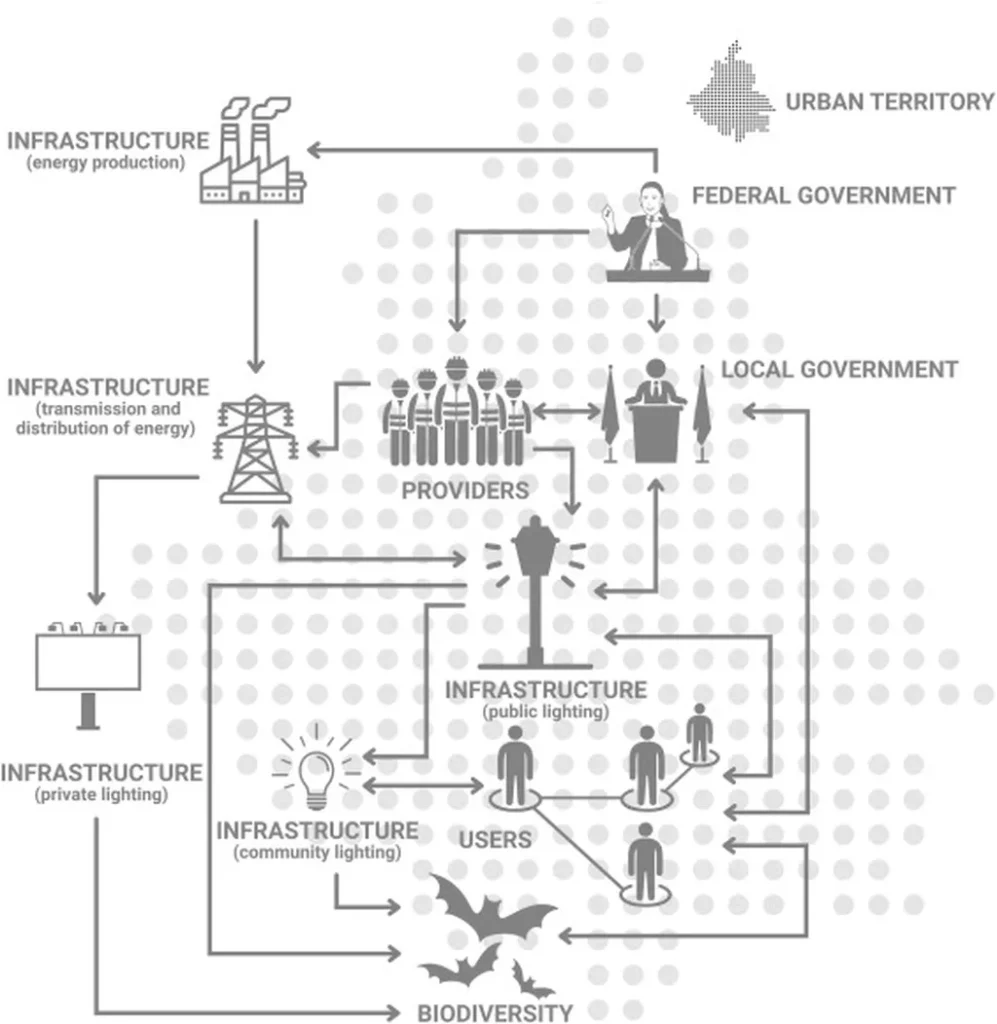
In the heart of Mexico, a community nestled in the Lomas del Centinela informal settlement is shedding light on a global challenge: how to study and improve living conditions in informal urban areas. A recent study published in the journal ‘npj Urban Sustainability’ (which translates to ‘npj Urban Sustainability’) offers a blueprint for understanding these complex environments, with significant implications for the energy sector and sustainable urban development.
Led by Andres Rico from the Massachusetts Institute of Technology’s Media Lab, the research tackles the daunting task of studying informal settlements, which are often characterized by fragmented infrastructure, irregular land tenure, and a dearth of official data. These challenges have long hindered progress toward Sustainable Development Goal 11, which aims to make cities and communities more sustainable.
Rico and his team employed a multi-year, multi-method approach to gather detailed insights into the everyday practices and infrastructure conditions of Lomas del Centinela. Their toolkit included surveys, interviews, behavioral mapping, sensor deployments, remote sensing, and videography. This holistic approach allowed them to address critical gaps in energy, water, food, mobility, and safety.
One of the study’s key findings is the value of combining flexible, context-sensitive methods to generate meaningful insights. “By using a range of techniques, we were able to capture a more nuanced picture of life in informal settlements,” Rico explained. “This approach not only helped us understand the challenges residents face but also supported community-led interventions.”
For the energy sector, the implications are significant. Informal settlements often rely on makeshift energy solutions, which can be inefficient, unsafe, and unsustainable. By gaining a deeper understanding of these communities’ energy needs and practices, companies can develop targeted, innovative solutions that improve lives and drive commercial growth.
Moreover, the study highlights the potential of bottom-up community participation and novel data technologies to make cities more sustainable. This approach could reshape national and regional planning, fostering more inclusive and resilient urban development.
As cities around the world grapple with rapid urbanization and the challenges of informality, Rico’s research offers a valuable model for future research and policy. By embracing flexible, context-sensitive methods and leveraging community engagement, we can make strides toward more sustainable, equitable, and livable cities.
In the words of Rico, “This is not just about studying informal settlements; it’s about empowering communities and driving meaningful change.” With the energy sector playing a pivotal role, the future of urban sustainability looks brighter than ever.