
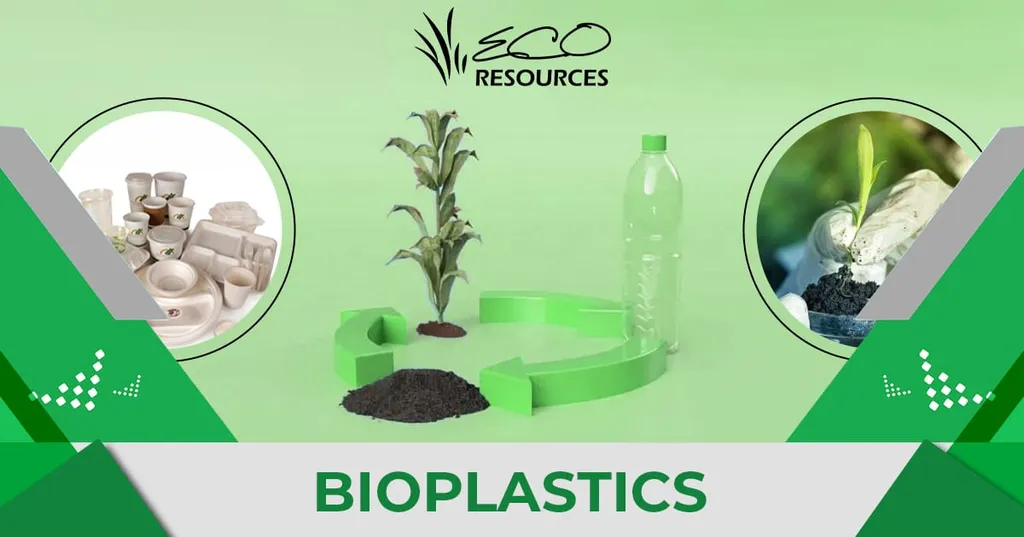
In a significant stride towards mitigating environmental pollution, researchers have highlighted the potential of cellulose-based materials as a sustainable alternative to petroleum-based plastics. The study, led by B. S. Ojelade, R. I. Nethanani, and P. O. Adesoye, published in *Nature Environment and Pollution Technology* (translated as *Nature: Environmental and Pollution Technology*), delves into the biodegradability and reduced toxicity of cellulose, offering a compelling case for its adoption in various industries.
Unlike plastics, which persist in the environment and break down into harmful microplastics, cellulose materials degrade into non-toxic organic compounds. This characteristic significantly reduces pollutants in soil and water, addressing critical environmental concerns. “Cellulose offers a promising solution to the persistent problem of plastic pollution,” stated lead author B. S. Ojelade. “Its biodegradability and low environmental impact make it an attractive alternative for industries seeking sustainable materials.”
The production of cellulose from renewable sources such as timber, agricultural waste, and non-timber flora further strengthens its sustainability profile. Unlike petroleum-based polymers, cellulose production involves lower energy inputs and greenhouse gas emissions, coupled with greater carbon capture during plant growth. “Sustainably harvested cellulose not only reduces waste but also supports a circular economy,” added co-author R. I. Nethanani. “Its compostability and, in some cases, recyclability, make it a versatile material for various applications.”
The study outlines several processes, including the manufacture of nanocellulose, which enhance the material’s strength, flexibility, and moisture resistance. These improvements expand its application in packaging, biocomposites, textiles, and medical devices. However, challenges such as high costs, lack of industrial composting infrastructure, and the absence of enabling legislation remain. The authors call for greater advocacy for policy change, technological improvements, and public awareness campaigns to promote the use of cellulose.
The commercial implications for the energy sector are substantial. As industries increasingly prioritize sustainability, the shift towards cellulose-based materials could reduce reliance on fossil fuels and lower carbon footprints. This transition aligns with global efforts to combat climate change and promote responsible consumption. “The energy sector stands to benefit from the adoption of cellulose-based materials,” noted P. O. Adesoye. “It offers a sustainable alternative that can drive innovation and reduce environmental impact.”
This research underscores the urgent need for sustainable alternatives to plastics and highlights the potential of cellulose-based materials to shape future developments in the field. As industries and policymakers grapple with the challenges of pollution and waste management, the findings of this study provide a roadmap for a more sustainable future. The call to action is clear: embrace cellulose-based materials to reduce pollution, protect biodiversity, and enhance sustainability.