
Veolia Environnement’s recent contract wins in India and the UK underscore the company’s strategic push into long-duration, high-value environmental services, potentially reshaping its growth trajectory and investor sentiment. The Mumbai water treatment plants, with their 15-year operations and maintenance contracts, are a testament to Veolia’s ability to secure large-scale, long-term deals in core areas of water, waste, and energy services. These plants, once fully operational, will supply over 60% of Mumbai’s water needs, adding significant depth to Veolia’s backlog and providing visibility on future cash flows.
In India, Veolia is also expanding its hazardous waste management capabilities and venturing into carbon capture projects with Tata Steel. These initiatives highlight the company’s focus on higher-value, regulation-driven services where technical expertise is paramount. The expansion of zero liquid discharge facilities and the development of India’s largest hazardous waste landfill further cement Veolia’s position in the market.
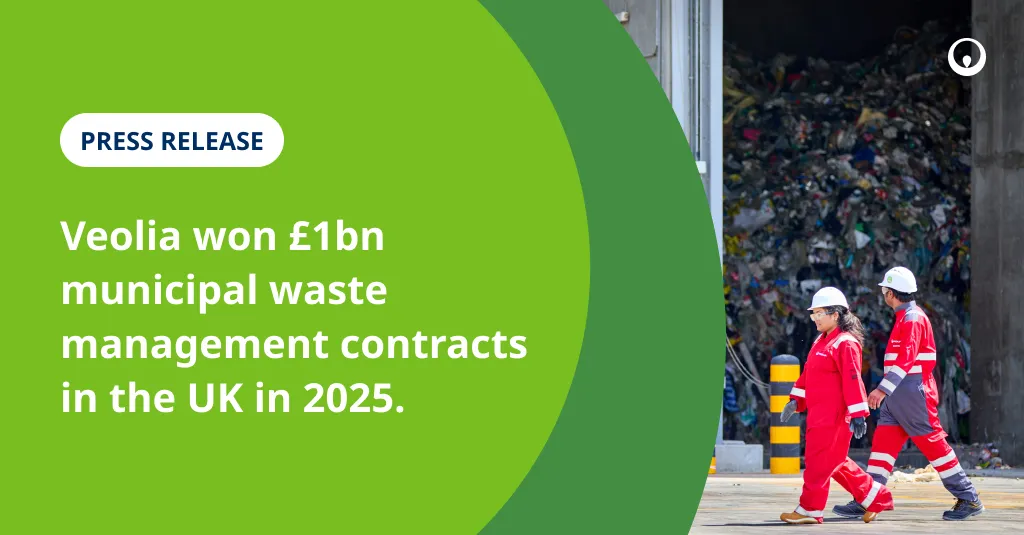
Meanwhile, in the UK, Veolia has secured over £1 billion in new and renewed local authority contracts, marking a 35% increase in municipal services between 2020 and 2025. The company is also investing in closed-loop plastics recycling and vehicle-to-grid electrification projects, aligning with the broader push towards circular economy and decarbonisation themes. As Veolia’s CEO, Estelle Brachlianoff, recently stated, “These contracts are not just about winning business; they are about driving sustainable change and creating long-term value for our stakeholders.”
The scale and mix of these new projects provide concrete insights into Veolia’s strategic focus and its ability to execute the GreenUp growth plan. For investors, these developments offer valuable reference points when assessing the company’s contract pipeline, international exposure, and infrastructure capabilities. The push into large, complex projects across multiple geographies could also test the narrative’s assumption that efficiency gains and integration remain straightforward as scale and scope increase.
However, these expansions are not without risks. Large, long-dated contracts increase exposure to regulatory, political, and permitting risks. Analysts have also flagged that Veolia’s debt is not well covered by operating cash flow, necessitating close monitoring of how these capital and contract commitments interact with funding needs.
Moving forward, investors should focus on how Veolia converts these contracts into margins and cash generation. Key markers include capital outlay and returns on the Mumbai projects, ramp-up progress at the Magnad hazardous waste landfill and the Ankleshwar zero liquid discharge facility, as well as the utilisation of the Shropshire PET plant and the performance of the vehicle-to-grid project in the UK. Tracking updates on debt metrics, contract renewal rates, and competitive wins or losses will also be crucial.
Veolia’s recent moves position it as a significant player in the global water and waste management sector, with a strong focus on sustainability and decarbonisation. As the company continues to execute its growth plan, its ability to navigate regulatory landscapes and manage financial commitments will be critical to its long-term success.