
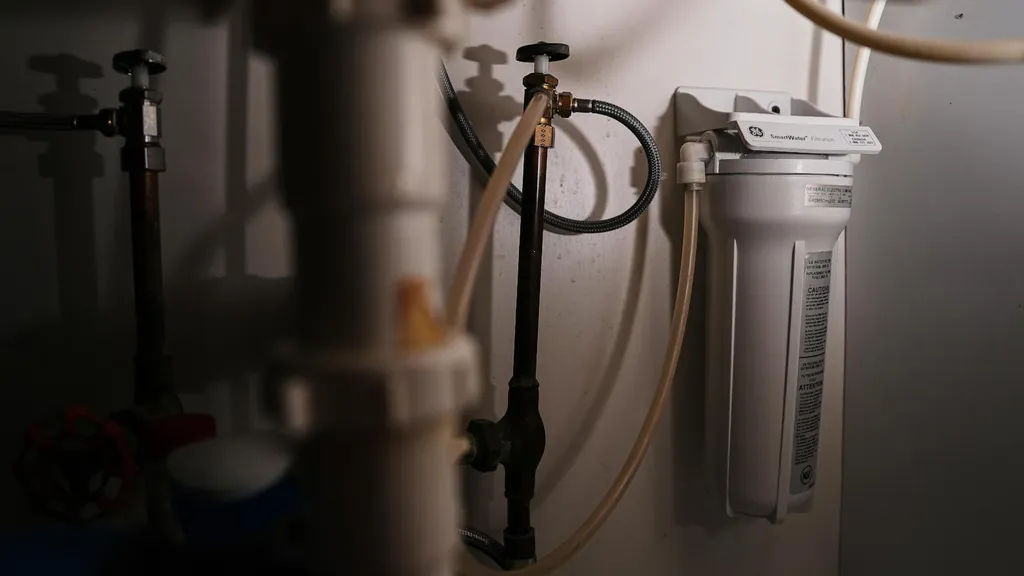
The tap water in the U.S. is generally safe and of high quality, yet the variation in taste and plumbing systems across buildings has fueled a thriving market for water filters. From simple pitcher models to sophisticated reverse osmosis systems, consumers have a plethora of options. However, experts argue that most American households do not require extensive water treatment. The key challenge lies in determining whether a filter is necessary.
Under the Safe Drinking Water Act, the Environmental Protection Agency (EPA) sets health standards for over 90 contaminants in public water systems, including chemicals and microbes. Utilities treat water with disinfectants like chlorine to eliminate harmful germs before it reaches homes. Most public utilities meet these standards, and the majority of Americans can safely drink tap water. Gregory Pierce, director of the University of California Los Angeles’ Human Right to Water Solutions Lab, advises that unless there are health impacts, a notice from the water system, or credible media reports indicating unsafe water, most Americans do not need a filter. “You’re still welcome to [use a filter] because it might make your water taste a little bit better, but it shouldn’t be considered necessary to have a water filter in 90-plus percent of the United States,” Pierce said.
To check local water quality, start with the annual Consumer Confidence Report provided by your utility, which details detected contaminants and whether the system meets federal standards. These reports are typically available on city or utility websites. For more certainty, especially in older buildings, water testing may be necessary. Jess Goddard, chief science officer at SimpleLab, recommends testing to identify potential risks. Private wells, not regulated under the Safe Drinking Water Act, require homeowners to monitor them. Testing kits, which can cost a few hundred dollars, screen for contaminants like PFAS, microplastics, metals, and disinfection byproducts. If testing reveals serious issues, contacting the water utility or state environmental agency is advisable.
Choosing the right filter involves understanding specific filtration goals. The EPA advises that many household activities do not require treatment, so focus on cooking and drinking water. Most filters carry ratings by NSF International and the American National Standards Institute. Common ratings include 42 for taste or smell concerns, 53 for health effects, and 401 for emerging compounds. Sydney Evans, a science analyst at the Environmental Working Group, emphasizes that not every filter addresses all contaminants. Many households use filters for taste or odor, which can be effectively addressed by basic carbon filters.
For concerns about PFAS or lead, filters can help, but the EPA recommends contacting local water service providers initially. Lead, in particular, requires careful consideration as no level is considered safe. Treatment systems vary, including pitchers, refrigerator filters, faucet-mounted systems, under-sink systems, reverse osmosis units, and whole-home systems. Whole-home systems are typically more expensive and are used for issues affecting all household water, such as hardness or high iron levels. Maintaining and changing water filters is crucial to ensure effectiveness and prevent bacterial buildup.
This news underscores the importance of informed decision-making regarding water filtration. As consumers become more aware of water quality issues, the demand for effective and affordable filtration solutions is likely to grow. Utilities and policymakers must continue to ensure transparency and accessibility of water quality information to empower consumers to make the best choices for their health and well-being. The ongoing debate over the necessity of water filters highlights the need for balanced, evidence-based approaches to water treatment, ensuring that resources are allocated efficiently and effectively.