
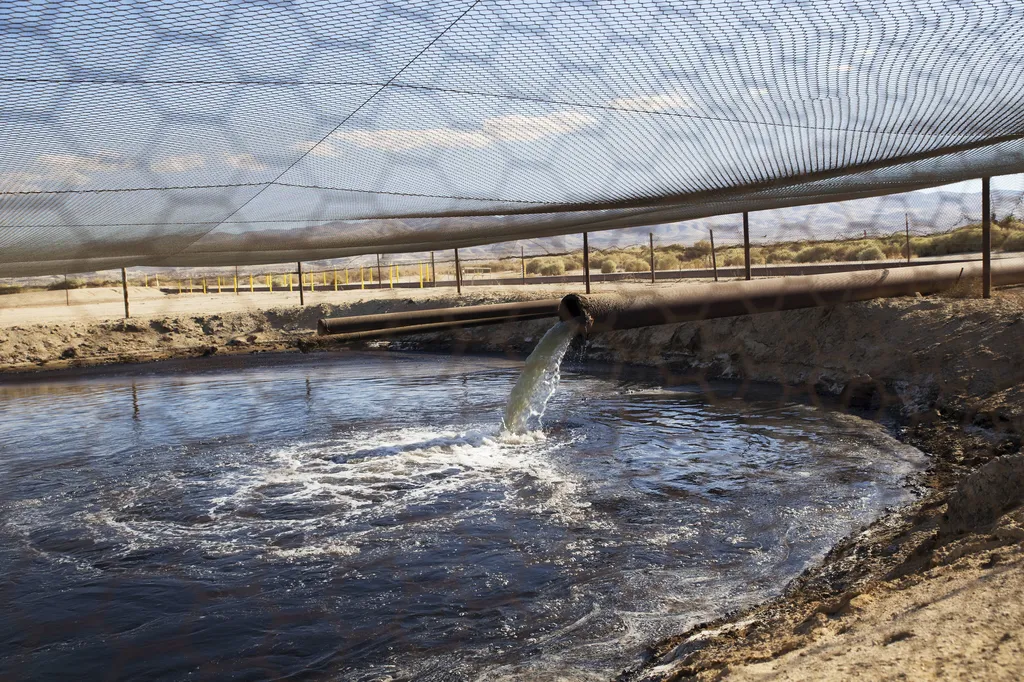
In the shadow of towering refineries and the hum of industrial activity, a critical environmental challenge lurks beneath the surface. Aromal Ashok, a researcher from the Department of Chemical Engineering at Qatar University, has shed light on a pressing issue: the formation of highly toxic disinfection byproducts (DBPs) in petroleum industry wastewaters. Published in the journal ‘Discover Water’ (translated as ‘Exploring Water’), Ashok’s review paper delves into the complex world of petroleum refinery wastewaters (PRW) and produced water (PW), offering a critical overview that could reshape how the energy sector approaches water management.
The problem begins with the treatment of wastewater. “Wastewater treatment plants are primary sources of halogenated disinfection by-products due to DBP precursors in wastewater when chlorination is used for disinfection,” Ashok explains. This process, while effective in killing harmful pathogens, can inadvertently create a new set of problems. The presence of elevated bromide and iodide levels in these wastewaters can lead to the formation of particularly harmful DBPs, with iodinated DBPs being the most toxic of the bunch.
The implications for the energy sector are significant. As the world continues to demand energy, the petroleum industry must grapple with the environmental impact of its operations. The formation of these DBPs not only poses a risk to human health but also to the ecosystems surrounding industrial sites. “Addressing the emergence of DBPs in wastewater, particularly in produced water (PW) and PRW, is pivotal for ensuring sustainable water management,” Ashok emphasizes.
The review paper also highlights the limitations of conventional treatment methods in dealing with these complex wastewaters. Instead, advanced approaches such as activated carbon adsorption, membrane filtration, and advanced oxidation processes show promise, particularly in high-salinity and hydrocarbon-rich environments.
So, what does this mean for the future of the energy sector? As Ashok’s research suggests, there is a pressing need for the industry to adopt more sustainable practices. By mitigating the formation of these harmful DBPs, companies can not only comply with regulatory standards but also contribute to global sustainability goals, such as clean water and sanitation (SDG 6).
Moreover, this research could pave the way for innovative solutions tailored to the unique challenges posed by petroleum industry wastewaters. As the world continues to evolve, so too must our approaches to environmental stewardship. In the words of Ashok, “By adopting sustainable practices, industries can mitigate environmental and health risks, comply with regulatory standards, and contribute to achieving global sustainability goals.”
As the energy sector navigates the complex landscape of environmental regulation and sustainability, Ashok’s research serves as a guiding light, illuminating the path towards a more sustainable future. The journey is far from over, but with each step, we move closer to a world where industry and environment can coexist in harmony.