
Azerbaijan’s agricultural sector has undergone a remarkable transformation in the past two decades, with output surging more than ninefold since 2000. But behind this growth lies a growing strain on the country’s natural resources, according to a new study led by Elay Zeynalli, Associate Professor in the Department of Agricultural Economics at Azerbaijan State Agricultural University in Ganja.
Published in *EQA – Environmental Quality Assurance*, the research presents a sobering ecological assessment of Azerbaijan’s agricultural expansion. Using national data from the FAO, the State Statistical Committee of Azerbaijan, and international databases, Zeynalli and his team analyzed trends in land use, irrigation, nutrient cycling, and climate-related indicators from 1995 to 2024. The findings reveal a model of growth that is increasingly unsustainable, with deep implications not only for environmental health but also for long-term economic stability—including the energy sector.
“What we’re seeing is a system driven by land expansion and input intensification rather than ecological efficiency,” says Zeynalli. “This is not just an environmental issue—it’s a development risk.” Over 36% of agricultural soils in Azerbaijan are now affected by erosion and salinization, while nitrogen removals exceed 380 kg per hectare in some regions. Irrigation, a cornerstone of the country’s agricultural productivity, accounts for about 34.5% of renewable freshwater withdrawals, and agriculture contributes more than 53% to national water stress. At the same time, greenhouse gas emissions from farming are rising sharply: nitrous oxide from crops has more than doubled, and methane from livestock has increased by around 70%.
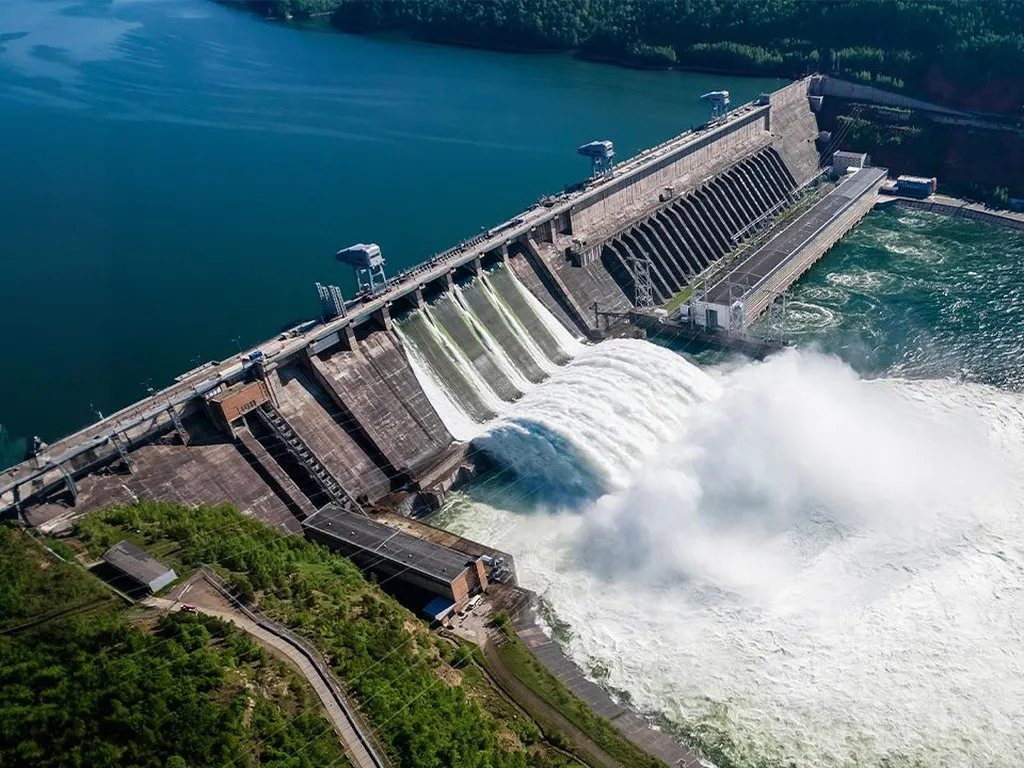
The commercial implications are significant, particularly for an energy sector that relies on water for cooling, hydropower, and agricultural processing. As water becomes scarcer and more contested, energy producers may face higher operational costs, regulatory constraints, and potential conflicts with agricultural users. “Water is not just an agricultural input—it’s a shared resource,” Zeynalli notes. “If current trends continue, we risk undermining both food security and energy reliability.”
The study calls for a shift toward water-saving irrigation technologies such as drip and sprinkler systems, balanced nutrient management to reduce over-application of fertilizers, and widespread adoption of soil conservation practices like terracing and cover cropping. It also highlights the need for climate-smart agriculture, integrating drought-resistant crops and precision farming tools to reduce emissions and adapt to changing conditions.
For policymakers and industry leaders, the message is clear: sustainable growth in agriculture cannot come at the expense of ecological resilience. As Zeynalli concludes, “The future of Azerbaijan’s agricultural sector—and its energy infrastructure—depends on making smarter choices today.”