
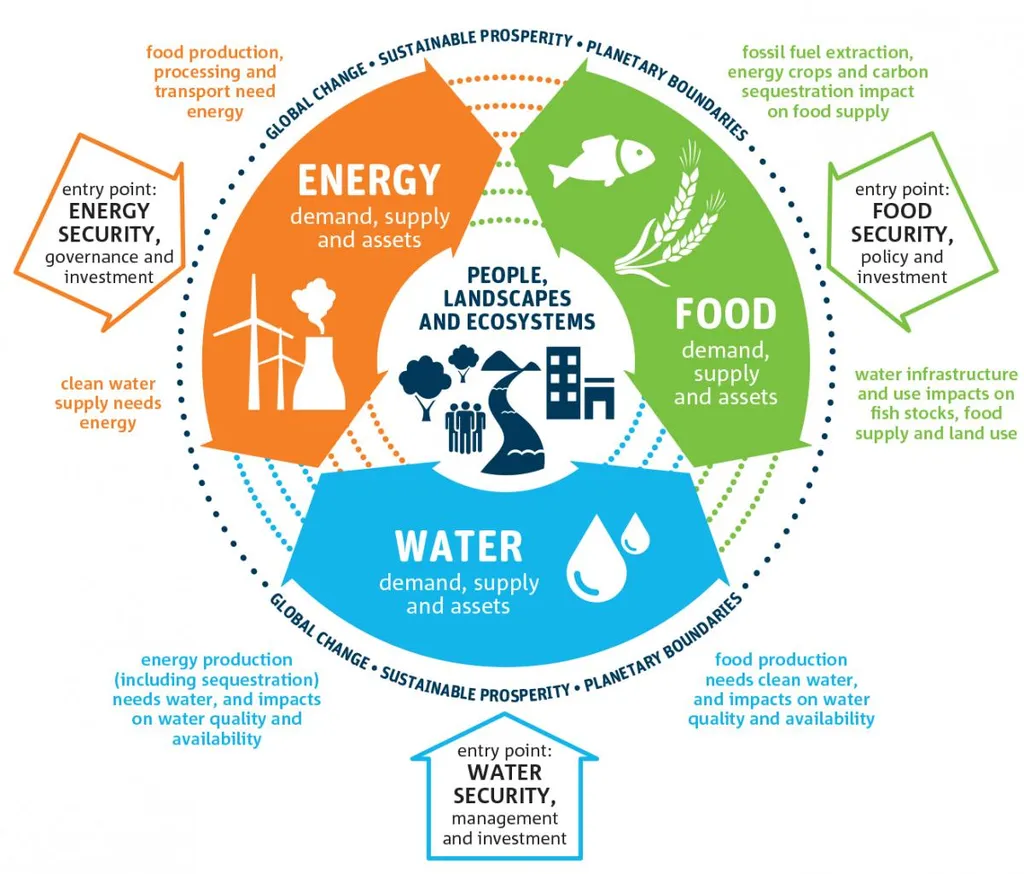
The water-energy nexus is tightening its grip on economic stability and climate resilience, with inefficiencies in one sector now amplifying crises in the other. A new report from Danfoss underscores the severity of this interdependence, forecasting that the water sector’s energy consumption could double by 2040 while the energy sector’s water demand rises by nearly 60%. This escalation isn’t theoretical—it’s already exacerbating resource scarcity, financial strain, and infrastructure fragility.
The connection between water and energy is systemic. Every phase of the water cycle—from extraction and treatment to distribution and end-use—demands energy, while energy production relies on vast water withdrawals. Europe, for instance, loses an alarming amount of treated water through leaks and inefficiencies, compounding both water and energy waste. “How we use energy in our water system carries significant resilience and competitiveness risks,” warns Kim Fausing, CEO of Danfoss. The cost of inaction is steep: unchecked inefficiencies could shave up to 8% off high-income countries’ GDP by 2050, with lower-income nations facing even steeper declines of 10-15%.
The stakes extend beyond economics. Droughts disrupt power generation, while energy shortages cripple water supply operations. In Europe, where water regulations already demand €500-1,000 per capita investment by 2030 just to maintain compliance, the pressure is mounting. Meanwhile, global water-related disruptions have already added $9.6 billion to the power sector’s expenses.
Technological solutions exist but remain underutilized. Retrofitting desalination plants to peak efficiency could slash €34.5 billion in costs and cut 111 million tonnes of CO₂ annually. In Chennai, a wastewater plant reduced energy use by 22% through variable speed drives that adjust pump speeds to real-time demand. Data centres, often vilified for their water footprint—consuming 560 billion litres annually, a figure projected to double by 2030—could mitigate harm with liquid cooling systems that are 15% more energy-efficient than air cooling. Their excess heat, if captured, could even meet 10% of Europe’s space heating needs by 2030.
The message is clear: fragmented policy approaches won’t suffice. “We need ambitious regulation, water efficiency targets, and incentive systems that stimulate investment in proven technologies,” Fausing argues. Integrating water efficiency into energy audits and setting national industrial water reuse targets could turn a vicious cycle into a virtuous one. Every saved litre of water is one less wasted joule of energy—and one step closer to breaking the nexus’s chokehold on progress.