
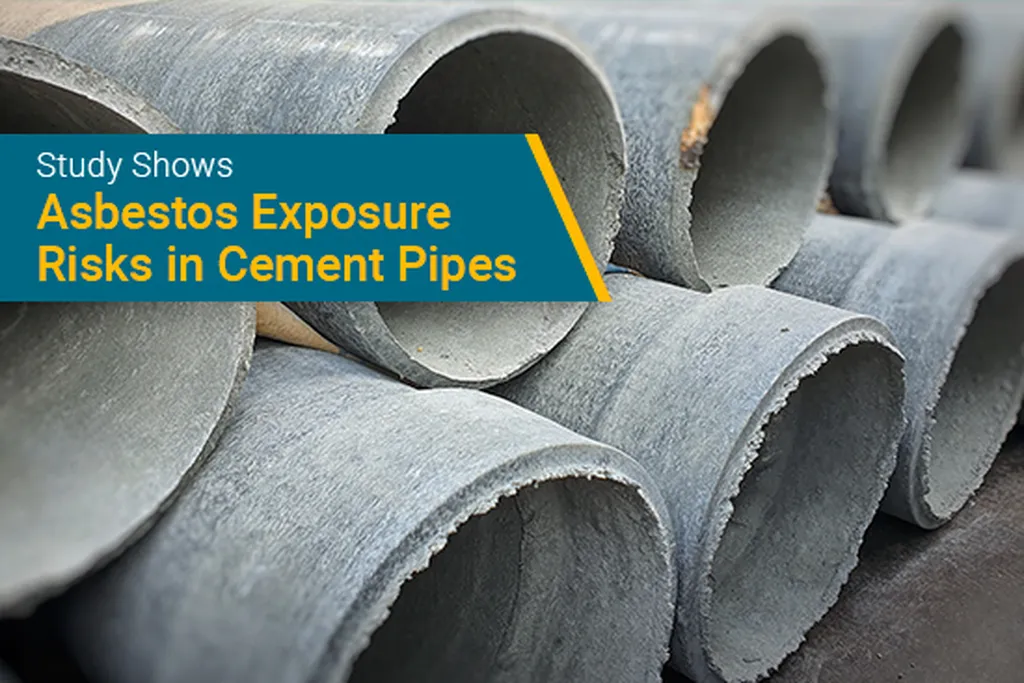
The burst of a 150mm asbestos cement pipe in Jalan Mas 1, Taman Cheras Mas on 2 January has exposed a fault line in how water utilities respond to collateral damage. Adam Saffian Ghazali, CEO of Pengurusan Air Selangor Sdn Bhd (Air Selangor), acknowledges that the company has moved quickly on the engineering side—dispatching a technical team within hours and completing repairs and replacement of the damaged section by 1.40 p.m. the next day. Yet the human impact persists. Homeowners Wong Chew Ee and Toh Chun Fah report new cracks accelerating since 8 February, doors that no longer align, and patchwork repairs applied out of fear that rain will erode the soil beneath their foundations.
Air Selangor’s statement that it is “providing full cooperation to the relevant parties” rings hollow for residents who say they have only received silence after initial contact. The company’s pledge to share an official report with Wong is, at the time of writing, still pending. This gap between technical closure and resident reassurance raises a structural question: when a utility’s asset failure triggers subsidence, who owns the downstream investigation—engineer, insurer, or property owner?
The use of asbestos cement pipe is itself a legacy liability. Installed decades ago, such materials were standard until health and durability concerns prompted phase-outs in many jurisdictions. Malaysia’s regulatory timeline for asbestos-cement removal remains uneven, leaving utilities to manage brittle networks that can fail without visible warning. Air Selangor’s prompt repair cycle proves operational readiness, but the incident underscores that asset renewal programmes need to accelerate where soil conditions are unstable or where housing density has increased without updated geotechnical surveys.
For Wong and Toh, the cracks are not merely lines on drywall; they are daily reminders of risk they feel no one is quantifying fast enough. Their frustration is a proxy for thousands of homeowners living above ageing water infrastructure in fast-growing urban fringes. Until utilities pair emergency response with transparent, third-party geotechnical assessments and insurance mediation, the next burst will continue to land hardest on the people who can least afford to absorb it.