
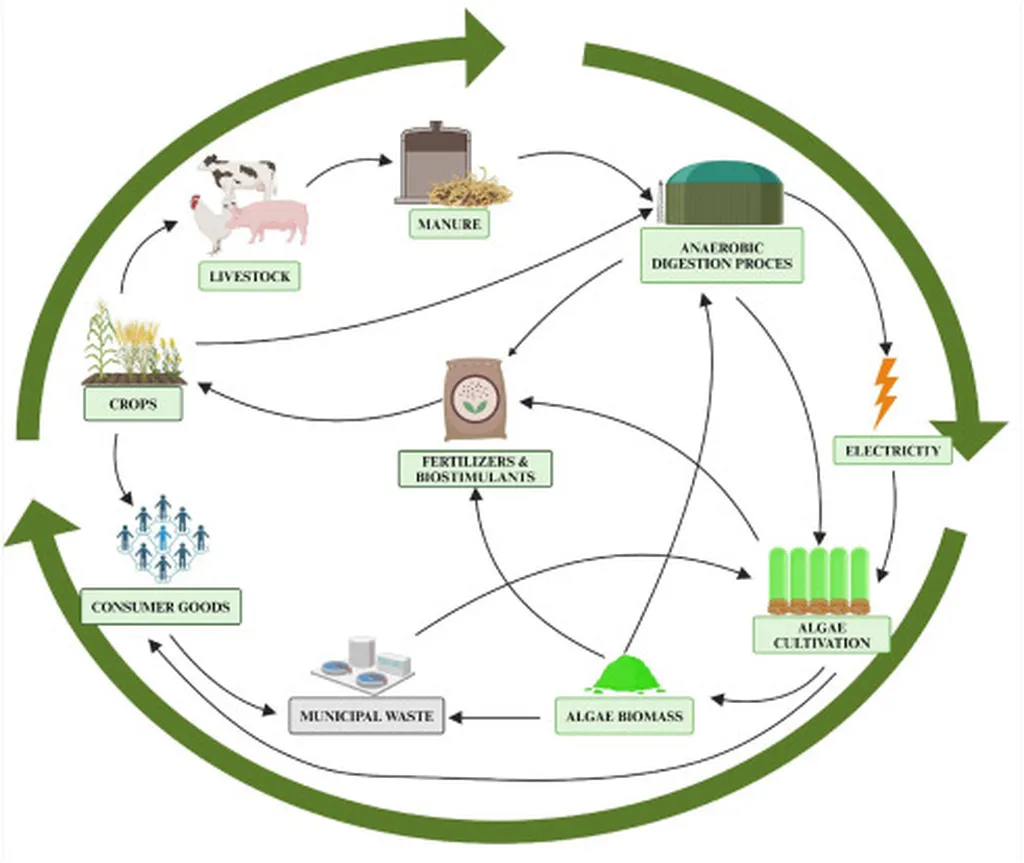
Invasive algae may be an ecological nuisance along the Mediterranean and Atlantic coasts, but what if they could be transformed into a boon for agriculture? A recent study published in *Agrosystems, Geosciences & Environment* (previously *Agrosistemas, Geociencias y Medio Ambiente*) explores how aqueous extracts from the invasive brown algae *Rugulopteryx okamurae* could serve as a low-cost biostimulant to boost crop growth—offering a potential commercial opportunity that aligns with circular economy principles.
The research, led by Rosa Perán-Quesada from the Department of Botany and Plant Physiology at the University of Málaga, Spain, tested how different preparations of *R. okamurae* extracts influenced the growth of radishes (*Raphanus sativus*). The study compared washed and unwashed seaweed, both macerated in water for 10 days, with and without a mixture of organic activators (chickpea flour, poultry manure, brown sugar, and fertile soil). The results were striking: radishes treated with non-washed seaweed extracts (NWS) showed a 40.6% increase in shoot length and a 68.2% increase in root length compared to controls. When activators were added (NWS + A), the improvements were even more pronounced—root fresh weight rose by 160.9% and dry weight by 146.2%.
Perán-Quesada noted, “This study demonstrates that even invasive seaweed, often seen as waste, can be repurposed into a valuable agricultural input.” The findings suggest that low-cost, water-based extracts from *R. okamurae* could offer a sustainable alternative to synthetic fertilizers, particularly in regions struggling with algal overgrowth.
For industries focused on energy and sustainability, this research opens a compelling avenue. The circular economy potential here is twofold: not only does it provide a use for problematic biomass, but it also reduces reliance on energy-intensive synthetic fertilizers. As global agriculture seeks greener solutions, the integration of marine biostimulants like *R. okamurae* could become a key strategy in sustainable farming—turning an ecological challenge into an economic advantage.