
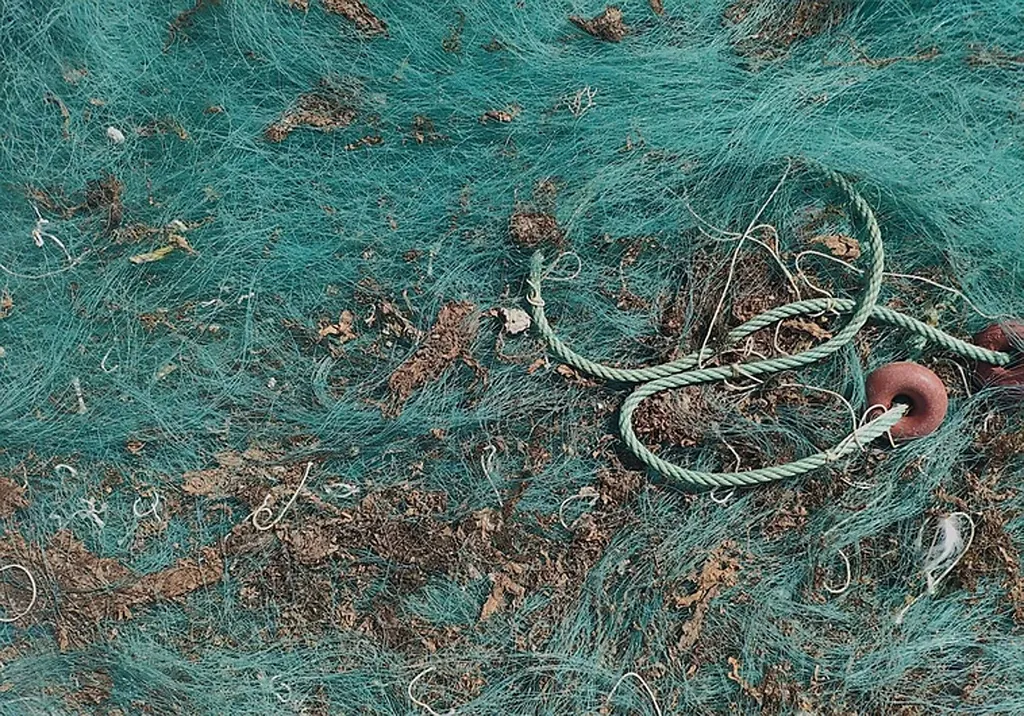
The Mediterranean’s shores are increasingly choked by the invasive brown alga Rugulopteryx okamurae, a fast-growing seaweed that clogs fishing nets, smothers native species and costs coastal economies millions. Yet in a lab at the University of Málaga, Rosa Perán-Quesada and her team at the Department of Botany and Plant Physiology have turned the problem into an opportunity—using nothing more than water, time and a little ingenuity to coax radishes into record-breaking growth.
Their study, published in the journal *Agrosystems, Geosciences & Environment* (formerly *Agrosistemas, Geociencias y Medio Ambiente*), shows that simple aqueous extracts from this so-called “upwelling biomass” can act as powerful plant biostimulants. In one trial, radish roots swelled by 160.9% in fresh weight and 146.2% in dry weight compared with untreated controls. Shoot length climbed by 40.6% and root length by 68.2%.
“What surprised us most,” says Perán-Quesada, “was that the unwashed seaweed—still carrying its natural load of salts, epiphytes and organic residues—delivered the strongest boost. The activators we added—chickpea flour, poultry manure, brown sugar and fertile soil—enhanced those effects further, but even the basic wash-and-soak method worked.”
The findings come at a moment when Europe’s agriculture and energy sectors are under pressure to cut synthetic inputs and find circular-economy solutions. Brown algae like Rugulopteryx are rich in phytohormones, polysaccharides and micronutrients that can stimulate root development, nutrient uptake and stress tolerance. Unlike mineral fertilizers, which depend on energy-intensive mining and processing, seaweed extracts can be produced on-site with minimal infrastructure.
For the energy industry, the implications are twofold. First, coastal power plants and desalination facilities already face costly biofouling from R. okamurae; harvesting it for biostimulants could offset removal expenses while generating new revenue streams. Second, as utilities invest in carbon-negative agriculture to meet net-zero pledges, low-cost seaweed-based inputs offer a scalable way to boost crop yields without adding to the fertilizer footprint.
The research team’s rapid, low-tech extraction method—10 days of maceration in water, no solvents, no refrigeration—could be replicated in rural communities or even aboard vessels that regularly clear invasive algae from intake pipes. That matters in regions where energy infrastructure and food production compete for scarce water and land.
Perán-Quesada cautions that field trials across more crops and climates are needed before commercial rollout. Still, the data suggest that what once was a costly nuisance could soon be a valued input in tomorrow’s regenerative agriculture—and a case study in turning ecological disruption into economic advantage.