
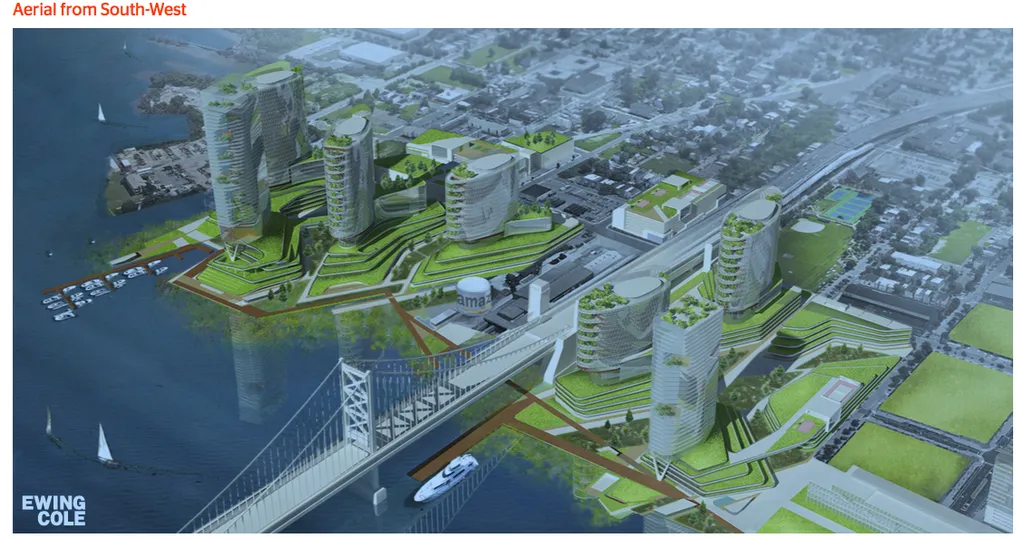
Pablo Cobeñas, an architect and urban planner at Lima’s Ricardo Palma University, has designed a blueprint for transforming Iquitos into a model of sustainable riverfront living. His proposal, published in *Urban Science* (Urbanistikwissenschaft in German), isn’t just about greenery—it’s a commercial playbook for energy, water, and urban resilience.
The heart of the plan is an ecological corridor along the Amazon’s edge, where 55 solar-powered lampposts will light the way—not with diesel generators, but with photovoltaic arrays. “This isn’t just about aesthetics,” Cobeñas notes. “It’s a direct investment in off-grid energy infrastructure that can scale across Amazonian cities.” For energy firms, that’s a market signal: tropical riverfronts are the next frontier for decentralized power.
Water is the other silent hero. Rainwater harvesting systems will feed irrigation and cleaning needs, cutting municipal costs. Meanwhile, 81.61% of the corridor’s space is native green infrastructure—capirona wood for beams, bolaina for benches, bamboo for shade. “Local sourcing reduces logistics costs by 30% compared to imported materials,” Cobeñas says, a statistic that will catch the eye of construction and supply chain managers.
The commercial angle? Resilience sells. Flood-prone Iquitos needs durable, low-maintenance solutions—and this project delivers. If replicated, it could unlock tenders for solar microgrids, permeable paving, and eco-tourism infrastructure across the Amazon basin.
As Cobeñas puts it: “We’re not just restoring a riverfront. We’re writing the playbook for tropical urbanism.” And the energy sector is listening.