
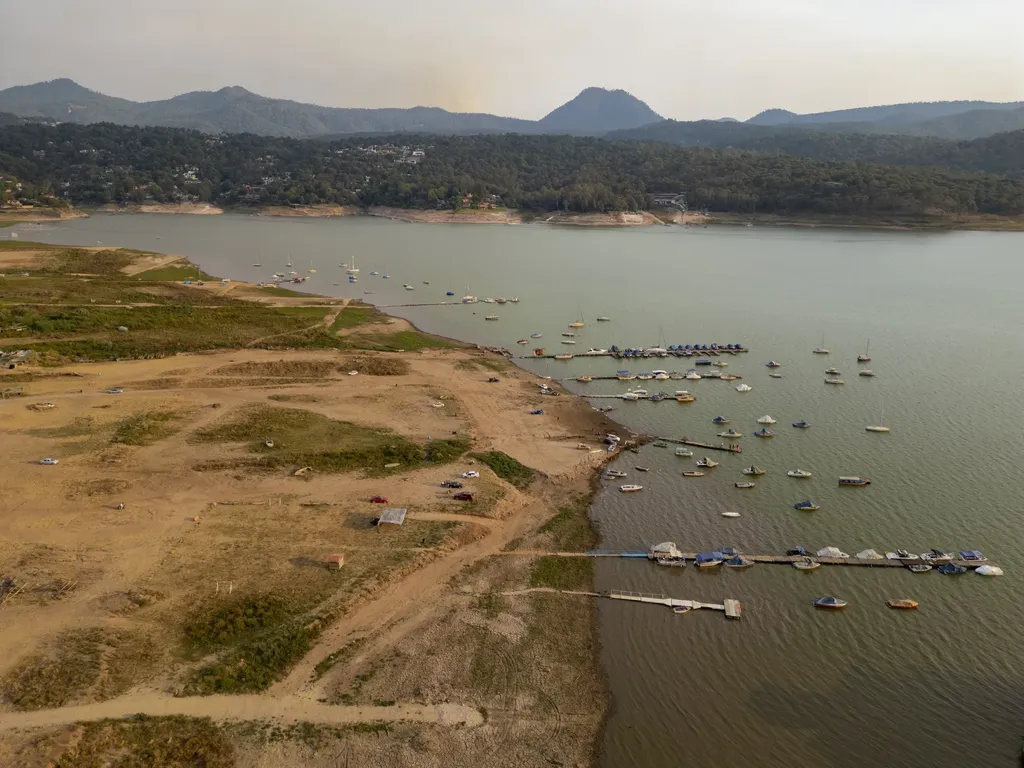
The freshwater dune lakes of Veracruz–Boca del Río–Medellín in Mexico are quietly vanishing beneath urban sprawl, their ecological pulse weakening under the weight of pollution and fragmented governance. A new study by Patricia Moreno-Casasola and colleagues at the Instituto de Ecología A.C. in Xalapa, published in *Coasts*, reveals how these urban wetlands—part of a protected corridor of 33 lakes—are caught between development pressure and environmental decline. Their findings aren’t just academic; they carry implications for energy infrastructure, flood resilience, and climate adaptation in coastal metropolises worldwide.
Moreno-Casasola’s team found that these lakes experience dramatic swings in dissolved oxygen—from 4.0 to 14.8 mg/L over a 24-hour cycle—driven by dense aquatic vegetation that chokes waterways by day and starves them of oxygen by night. “At night, the system becomes hypoxic,” she explains. “That’s not just bad for fish—it’s a warning sign for water treatment reliability and energy systems that depend on stable freshwater inputs.” The study recorded Biochemical Oxygen Demand (BOD₅) levels as high as 150.3 mg/L in the most degraded lake, far exceeding safe thresholds and signaling severe organic pollution likely from untreated wastewater and agricultural runoff.
But the crisis isn’t just ecological. A legal analysis of five Natural Protected Areas (NPAs) in the corridor showed a troubling pattern: protected zones have been repeatedly shrunk, settlements legalized, and areas fragmented through court rulings. “Governance is breaking down at the seams,” says Moreno-Casasola. “We’re seeing the slow unraveling of conservation laws just when we need them most.”
The researchers propose a hybrid solution: a 100-meter buffer zone combining riparian restoration, green infrastructure, and Sustainable Urban Drainage Systems (SUDS). This isn’t just about saving wetlands—it’s about securing energy and water systems. Flood regulation, reduced urban heat, and cleaner water all lower operational risks for power plants, desalination facilities, and urban utilities. “These wetlands act like natural sponges and coolers,” notes Moreno-Casasola. “In a changing climate, they’re critical infrastructure.”
For energy companies and urban planners, the takeaway is clear: conserving urban wetlands isn’t an environmental luxury—it’s a climate adaptation strategy with measurable economic benefits. The study, published in *Coasts*, suggests that future development must integrate ecological and legal frameworks at both local and regional scales. Without it, the costs of flooding, water treatment, and energy disruptions will only rise.
As coastal cities expand, the message from Veracruz is urgent: protect the wetlands, or pay the price later.