
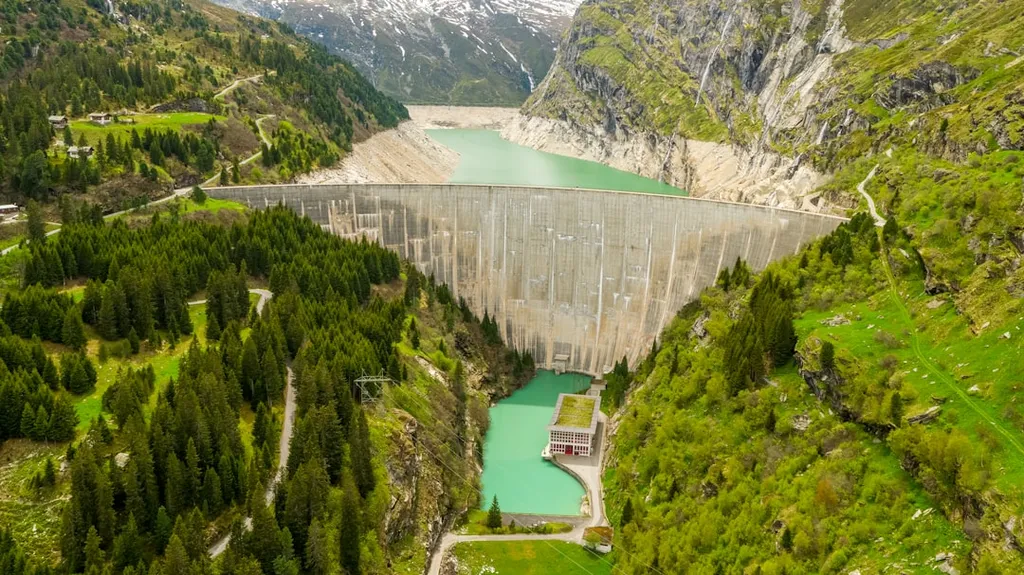
The water-energy nexus is fraying under pressure, and the consequences are becoming impossible to ignore. A new report from Danfoss underscores that the water sector’s energy consumption is on track to double by 2040, while the energy sector’s water demand could surge by nearly 60%. These figures aren’t abstract projections—they reflect a tightening feedback loop where water scarcity and energy inefficiency reinforce each other, amplifying the climate crisis and eroding economic resilience.
The relationship is direct and unavoidable: every step in the water cycle—extraction, treatment, distribution—demands energy. As populations grow and freshwater demand climbs, so does the energy required to move and clean it. Already, the energy sector accounts for about 14% of global freshwater withdrawals, extracting water for cooling thermal plants, hydropower, and fuel extraction. When droughts disrupt river flows or heatwaves strain power grids, the interdependence becomes painfully visible. Europe’s approach of siloing water and energy policy is no longer tenable, Kim Fausing, CEO of Danfoss, warns. “How we use energy in our water system carries significant resilience and competitiveness risks,” he says. The continent loses vast quantities of treated water—and the energy embedded in it—through leaks and inefficiencies, a drag on both budgets and security.
The financial stakes are rising fast. Ignoring inefficiencies could shave up to 8% off GDP in high-income countries and 10-15% in lower-income nations by 2050, according to the report. Water-related disruptions have already added €8.26 billion in costs to the global power sector. In Europe, compliance with existing water regulations will require member states to spend an additional €500 to €1,000 per person by 2030 on supply and sanitation infrastructure. The bill extends beyond euros: public health, infrastructure stability, and geopolitical stability are all at risk when affordable water and energy become scarce.
Yet the report highlights solutions that could alleviate the strain. Retrofitting existing desalination plants to current technological standards could save €34.5 billion globally and cut CO₂ emissions by 111 million tonnes. Wastewater treatment plants using variable speed drives (VSDs) can cut energy use by up to 22%, as demonstrated in Chennai. These aren’t futuristic concepts—they’re deployable now. Fausing calls for ambitious regulation, binding water efficiency targets, and incentives to accelerate adoption of leak detection, smart metering, pressure management, and energy optimization in water systems.
Data centres are emerging as a flashpoint in this crisis. They consumed an estimated 560 billion litres of water in 2023, a figure the International Energy Agency (IEA) projects could more than double by 2030—six times the EU’s total freshwater abstraction in 2022. Much of this water is used to cool servers, with liquid cooling systems offering a path forward. Direct-to-chip liquid cooling is not only 15% more energy efficient than air cooling but creates an opportunity to repurpose waste heat. The IEA estimates that data centre heat could meet 10% of Europe’s space heating needs by 2030, especially if deployed within a few kilometres of demand centres.
The message is clear: the water-energy crisis is not a distant threat but a present reality demanding integrated action. Governments must stop treating water and energy as separate policy domains and start embedding efficiency into both regulatory frameworks and industrial practices. Every saved litre of water is a litre not pumped, treated, or heated—every unit of avoided waste is a step toward resilience. The tools exist. What’s missing is the urgency to use them.