
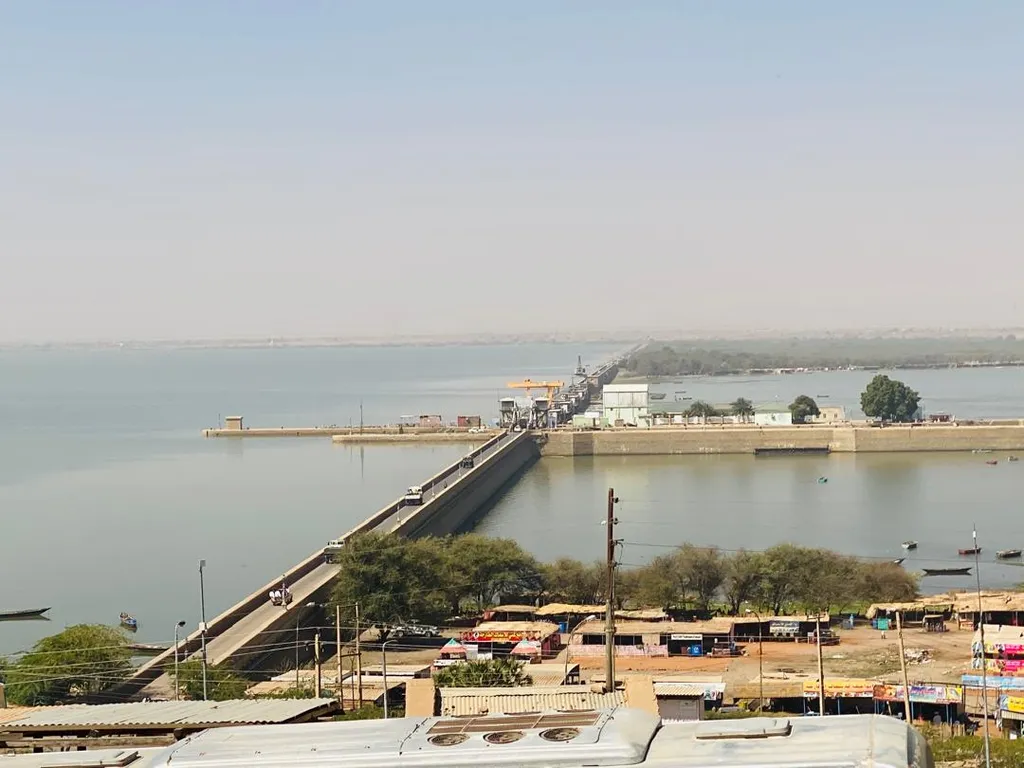
The Jebel Aulia Dam in Sudan, a critical piece of infrastructure for water management and energy production, has become a symbol of how war can turn a controlled resource into an uncontrolled hazard. Since April 2023, Sudan’s ongoing conflict has disrupted operations at the dam, leaving it non-functional after an attack in November 2023 forced operators to flee. With gates locked in fixed positions, the dam’s ability to regulate water flow vanished, creating a ticking time bomb of flood risk for downstream communities and infrastructure.
Aseel Mohamed, a researcher at Utrecht University’s Physical Geography department, and her team have developed a framework to assess these risks in conflict zones where data is scarce and access is limited. Using water balance modeling and scenario analysis, they simulated how the dam’s failure to operate could lead to catastrophic flooding under different climate conditions. Their findings, published in *Environmental Research Communications* (translated to *Communications in Environmental Research*), reveal a stark reality: without proper management, water levels could exceed the dam’s capacity, triggering uncontrolled releases.
“When operators flee, the system doesn’t just pause—it becomes unpredictable,” Mohamed explains. “The gates are stuck, the data stops, and the risks compound. We saw this with the unexpected flood in December 2024, which happened outside the usual season. It was a wake-up call.”
The commercial implications for the energy sector are significant. Dams like Jebel Aulia are often key to hydropower generation, providing electricity to industries and households. When they fail, the ripple effects extend beyond water management—power grids falter, businesses lose stability, and recovery costs skyrocket. Mohamed’s framework offers a way to anticipate these risks before they materialize, allowing energy providers and governments to act proactively rather than reactively.
What makes this research particularly valuable is its adaptability. The methodology isn’t confined to Sudan; it’s a template for other conflict-affected regions where water infrastructure is vulnerable. Remote sensing and adaptive forecasting tools could be integrated into disaster risk management strategies, ensuring that even in the chaos of war, critical systems don’t become liabilities.
The question now is whether policymakers and industry leaders will heed these warnings. As Mohamed puts it, “We’re not just talking about dams—we’re talking about resilience. And in times of war, resilience isn’t optional.”