
In the sprawling concrete jungles of modern cities, where every drop of water is precious and every gallon wasted is a missed opportunity, a quiet revolution is brewing. George Tchobanoglous, a professor emeritus in the Department of Civil and Environmental Engineering at the University of California, Davis, has spent decades studying how we can squeeze more value out of our water systems. His latest research, published in *Frontiers in Environmental Engineering* (formerly known as *Quan Qian Shui Gong Cheng Xue Bao*), challenges the long-held dominance of massive, centralized wastewater treatment plants and argues for a smarter, more distributed approach—one that could reshape how cities think about water, energy, and sustainability.
Tchobanoglous points out a glaring inefficiency in the way we’ve managed wastewater for over a century. “Centralized systems were designed when cities were smaller, and the priority was simply to move waste away from population centers,” he explains. “But today, we’re dealing with megacities where water scarcity is a daily reality, and the energy cost of pumping treated water across long distances is staggering.” The math is sobering: transporting reclaimed water from a remote treatment plant to where it’s needed can account for up to 30% of the total operational cost of a water reuse system. In an era where energy prices are volatile and climate resilience is non-negotiable, that’s a burden no city can afford to ignore.
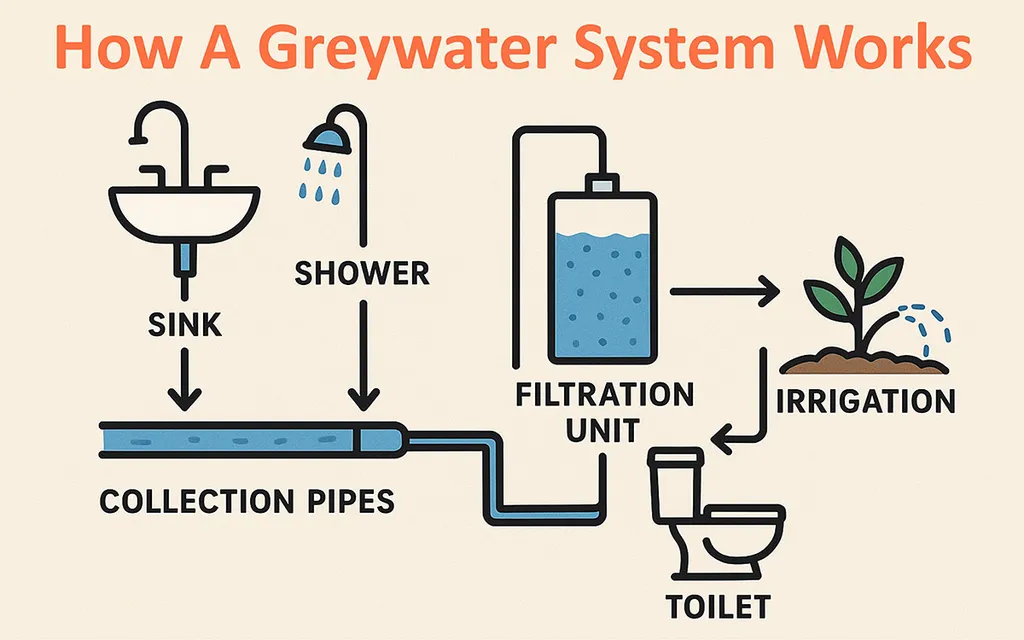
The alternative, Tchobanoglous and his peers argue, is to decentralize. Instead of funneling all wastewater to one distant facility, why not treat it closer to where it’s generated? Satellite treatment systems—smaller, modular plants tucked into neighborhoods or industrial zones—can process wastewater on-site or nearby, slashing transportation costs and energy use. These systems aren’t new, but recent advances in treatment technology are making them far more viable. “We’re seeing breakthroughs in advanced primary and secondary treatment that can produce water clean enough for non-potable reuse—irrigation, industrial processes, even groundwater recharge—without the massive infrastructure footprints of old,” Tchobanoglous says.
For the energy sector, this shift could be a game-changer. Decentralized systems reduce the need for energy-intensive pumping and long-distance conveyance, directly cutting carbon footprints. They also open the door to integrating wastewater treatment with renewable energy sources, such as biogas recovery from anaerobic digestion or solar-powered treatment plants. Imagine a future where a city’s wastewater isn’t just a liability to be flushed away but a resource to be harnessed, right where it’s produced. That’s not just efficient—it’s a paradigm shift.
But the road to decentralization isn’t without its potholes. Regulatory hurdles, public perception, and the upfront costs of retrofitting existing infrastructure remain significant barriers. Tchobanoglous acknowledges these challenges but sees them as surmountable. “The technology is here. The question now is whether policymakers and industry leaders will embrace the flexibility and resilience that distributed systems offer,” he says. Cities like Singapore and parts of Australia have already shown how satellite treatment can work at scale, proving that the model isn’t just theoretical.
As water stress intensifies and urban populations swell, the commercial implications for energy companies are clear. Those who adapt—by investing in decentralized water solutions, partnering with municipalities on satellite plants, or developing energy-efficient treatment tech—will be at the forefront of a trillion-dollar market. The old model of “out of sight, out of mind” is running on fumes. The future, Tchobanoglous suggests, is local.