
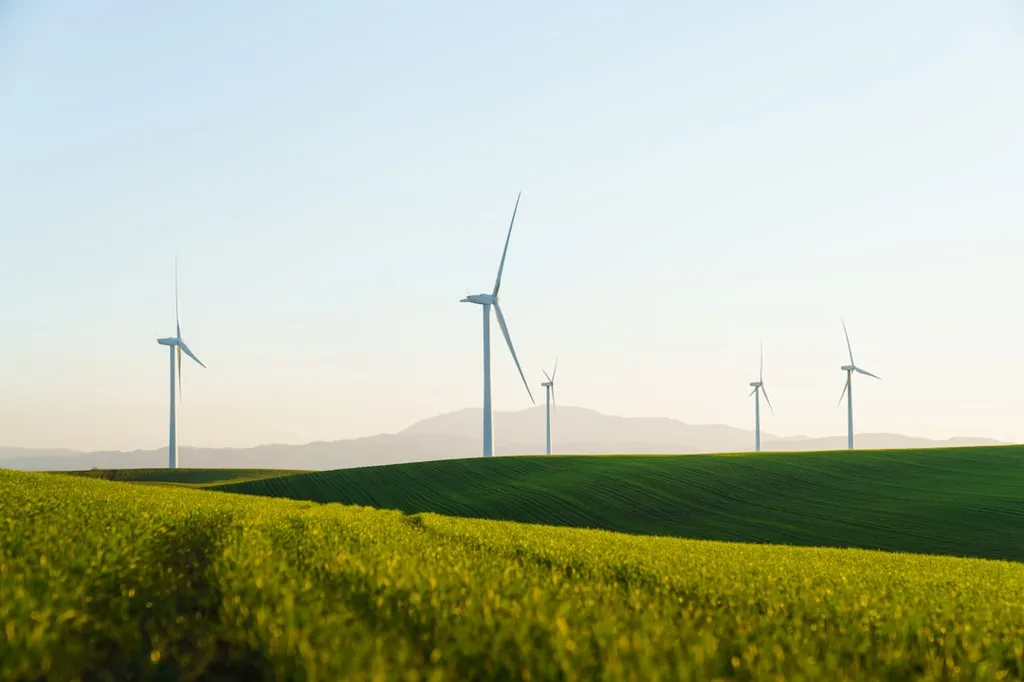
In the quiet corridors of Hasan Kalyoncu University, economist Elma Satrovic has turned a spotlight on a rarely discussed intersection: the interplay between financial muscle and ecological capacity in shaping environmental sustainability. Her research, published in *Carbon Balance and Management*, suggests that countries rich in biocapacity—think forests, soil fertility, and water reserves—hold a hidden advantage when it comes to greener economic growth.
Satrovic and her team analyzed data from ten biocapacity-rich nations over 25 years, using a modified STIRPAT framework to test how financial development, biocapacity, and renewable energy influence environmental outcomes. The findings are nuanced but revealing. While financial development and economic growth often strain ecosystems, the presence of strong biocapacity appears to act as a buffer—softening the environmental blow and even enhancing sustainability when paired with the right policies.
“Biocapacity isn’t just about trees or clean water—it’s a financial asset,” Satrovic explains. “Countries with reserves of renewable natural capital can direct investment toward renewable energy and sustainable infrastructure more effectively. That creates a multiplier effect: stronger ecosystems support stronger economies, and vice versa.”
The commercial implications are hard to ignore. For energy firms, especially those eyeing long-term stability in volatile markets, this research suggests a strategic advantage lies in regions where biocapacity is high. Renewable energy projects—solar farms in sun-rich areas, hydropower near water-abundant biomes, or biomass initiatives in forested regions—could see lower risk profiles and higher returns when backed by robust financial systems and sound ecological management.
Yet the study also warns of a paradox. As financial development accelerates in these biocapacity-rich nations, so too does pressure on natural resources—unless carefully managed. Population growth and economic expansion can erode the very ecological reserves that make such regions attractive for sustainable investment.
“This isn’t just about preserving nature for its own sake,” Satrovic notes. “It’s about recognizing that healthy ecosystems are the foundation of long-term economic resilience. Ignoring that link risks undermining both sustainability goals and financial stability.”
For investors and policymakers, the message is clear: integrating biocapacity into financial planning isn’t optional—it’s strategic. Aligning economic growth with ecological limits could unlock new pathways for renewable energy deployment, reduce stranded asset risks, and position nations as leaders in the green transition.
As the world races toward net-zero targets, Satrovic’s work underscores a critical truth: the most sustainable economies of the future may not be built on financial capital alone, but on a balanced ledger of both money and nature.