
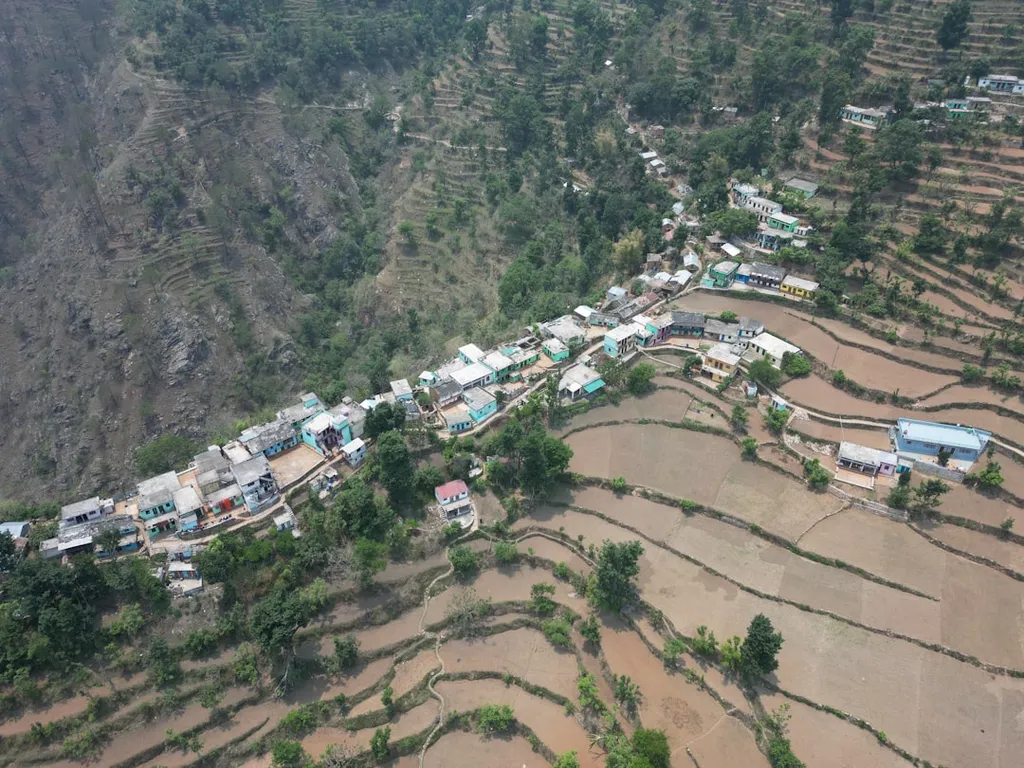
In the foothills of Uttarakhand, where the Ganges flows and agriculture thrives on small landholdings, a quiet revolution in water management is underway. Sunaina Saxena, a researcher at the TERI School of Advanced Studies in New Delhi, has uncovered how decentralised wastewater treatment systems (DEWATS) could not only ease water scarcity but also reshape the energy landscape for rural communities. Her study, published in *Discover Environment* (formerly known as *Discover Water*), examines how farmers and households view the reuse of treated wastewater—a solution that could cut diesel costs, reduce energy dependence, and create a sustainable loop in water-scarce regions.
For farmers like those surveyed in Haridwar and Rishikesh, the economics of irrigation are stark. Many rely on rented water or diesel pumps to keep crops alive during dry spells, a costly and carbon-intensive practice. Saxena’s research reveals that farmers’ willingness to pay for treated wastewater rises with their diesel irrigation expenses and their tendency to rent water, while older farmers are less inclined to adopt new systems. One farmer in Rishikesh, who asked not to be named, admitted, “We spend half our earnings on diesel just to keep the fields wet. If clean water comes from a pipe, why not use it?” His sentiment underscores a commercial reality: treated wastewater isn’t just an environmental choice—it’s a potential cost saver.
Households, too, show a clear preference for treated wastewater when it’s reliable and of good quality. In the survey of 100 homes, water source, perceived quality, and wastage levels were the top factors influencing their willingness to pay for non-potable reuse. Families indicated they’d accept even higher prices if the water was visibly clean and used efficiently. Saxena notes, “People don’t just want water—they want trust in the water they use.” This insight points to a market opportunity: DEWATS providers could market their output not just as recycled waste, but as a premium, dependable resource.
The implications for the energy sector are significant. Diesel irrigation pumps are a major energy sink in rural India, often subsidized by state governments. If DEWATS adoption reduces reliance on diesel, it could lower the fiscal burden of agricultural subsidies and cut greenhouse gas emissions. Moreover, decentralised systems require less energy to operate than large-scale treatment plants, aligning with India’s push toward energy-efficient infrastructure.
Yet, adoption won’t happen overnight. Saxena’s study suggests that affordability and quality assurance are key. She calls for government subsidies, cost-sharing models, and targeted awareness campaigns to build trust and uptake. “This isn’t just about installing pipes,” she says. “It’s about changing habits, perceptions, and policies.”
As rural India grapples with water stress and energy costs, DEWATS emerges not as a fringe solution, but as a viable pathway to sustainability. For energy providers, it offers a chance to rethink rural electrification models. For policymakers, it presents a scalable option to meet water and climate goals. And for farmers and households, it could mean lower bills, cleaner fields, and a more secure future. The data from Uttarakhand is just the beginning—now, the challenge is scaling it up.