
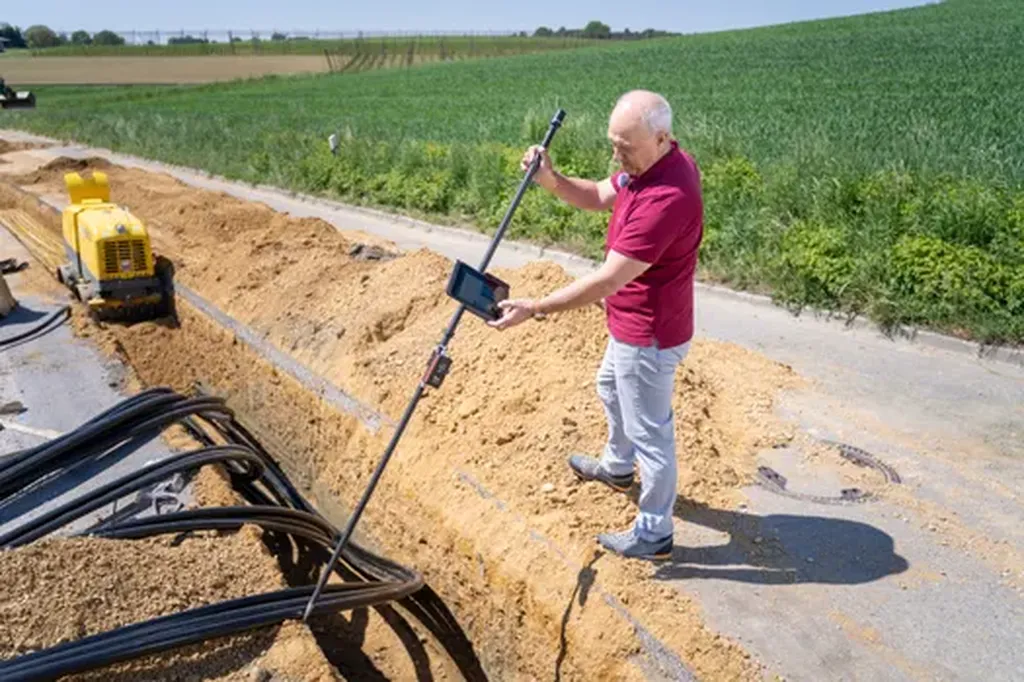
Traditional methods of verifying soil and water conservation projects have long relied on manual inspections and paper-based documentation, a process that Chen Sheng-li, lead author of a new study published in *Soil and Water Conservation Research* (formerly *Shuitu baochi yanjiu*), describes as “inefficient and prone to human error.” His team’s research, however, points to a transformative shift—one that leverages 3S technologies—remote sensing, geographic information systems (GIS), and global positioning systems (GPS)—to automate and standardize project acceptance.
The inefficiency isn’t just bureaucratic friction. In the energy sector, where large-scale infrastructure projects like pipelines, hydroelectric dams, and wind farms often intersect with sensitive watersheds and fragile soils, timely and accurate verification of erosion control and land restoration measures is critical. A missed slope stabilization or improper sediment barrier can lead to regulatory fines, costly remediation, or even project delays—each translating to millions in lost revenue.
Chen and his team propose a digital acceptance system that integrates multispectral satellite imagery, drone surveys, and GPS-tagged field data into a centralized database. “By automating data collection and cross-referencing against pre-defined conservation standards,” Chen explains, “we can detect discrepancies in real time and ensure compliance before minor issues escalate.”
The system breaks down into four functional modules: data acquisition, preprocessing, database management, and compliance reporting. For instance, a drone survey over a pipeline route can immediately flag areas where vegetation cover falls below conservation thresholds. GIS then overlays this with soil erosion models, while GPS ensures precise location tracking for audits.
Industry stakeholders are taking notice. “In energy projects, where environmental compliance is non-negotiable, this kind of precision can reduce audit cycles from weeks to days,” said a senior environmental manager at a multinational energy firm who requested anonymity. “That’s not just cost savings—it’s risk mitigation.”
The research, published in *Soil and Water Conservation Research*, suggests that 3S-based acceptance systems could become the new benchmark for environmental compliance in infrastructure development. As climate regulations tighten and ESG reporting demands grow, tools that deliver verifiable, transparent, and repeatable assessments will likely move from optional innovation to operational necessity—especially in sectors where the environmental footprint is under the microscope.