
China’s rapid economic growth over the past two decades has come at a cost—soil erosion, degraded ecosystems, and mounting environmental pressures that threaten long-term sustainability. According to *Proposals and Measures in Problems of Soil and Water Conservation Compensation Mechanism*, a new paper in the journal *Shuitu baochi yanjiu* (Soil and Water Conservation Research), the country’s current approach to ecological compensation remains fragmented, leaving critical gaps in policy, financing, and enforcement.
Lead author Zhang Lai-zhang highlights that while China has experimented with soil and water conservation compensation for nearly 20 years, the system still lacks cohesion. “We’ve made progress, but in the grand scheme, we haven’t yet formed a unified framework for compensation standards, responsible parties, or financing mechanisms,” he states. Without these pillars, the ecological benefits of conservation efforts risk being diluted—or worse, ignored entirely.
The stakes are high, particularly for industries like energy, which rely on stable water supplies and healthy ecosystems for operations. Soil erosion doesn’t just damage farmland; it clogs rivers, increases flood risks, and disrupts water treatment processes—all of which can lead to operational delays and higher costs for power plants, mining operations, and water-intensive manufacturing.
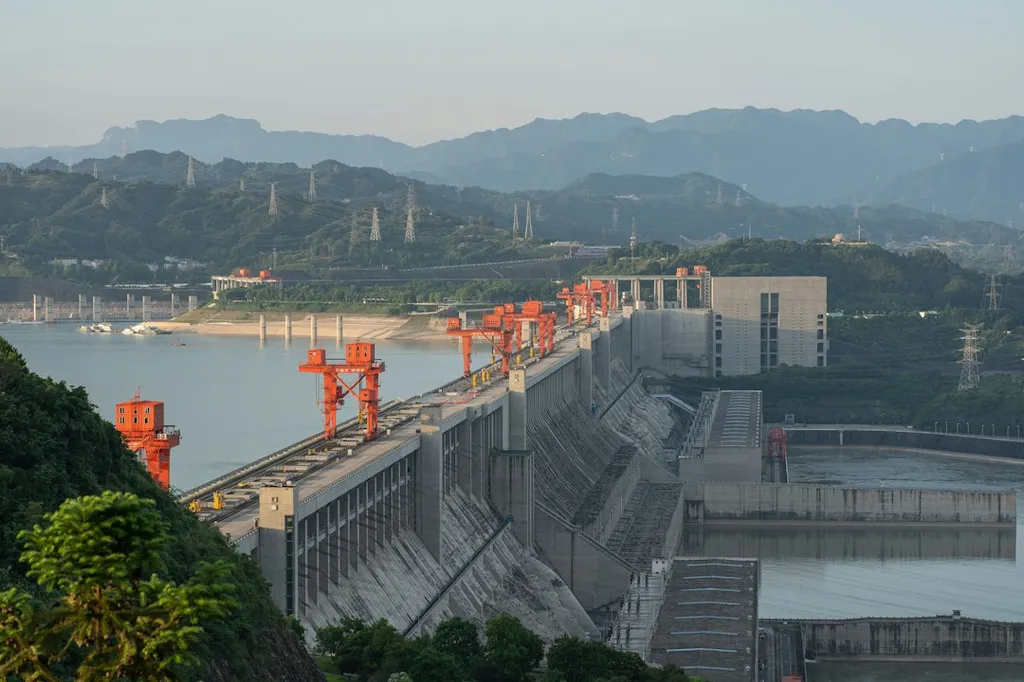
Zhang’s research suggests that a well-structured compensation system could mitigate these risks by incentivizing upstream conservation that benefits downstream users. For example, hydroelectric dams and water utilities could contribute to funding erosion control upstream, ensuring cleaner water and more reliable flows. “The key is to make conservation economically viable for those who pay for it,” Zhang argues.
The paper proposes several commercial-friendly solutions, including embedding compensation fees into production costs and expanding private-sector investment in conservation projects. Such measures could unlock new revenue streams for landowners and conservation groups while reducing long-term liabilities for industries dependent on natural resources.
As China’s environmental policies evolve, Zhang’s findings underscore a pressing question: Can economic incentives align with ecological needs before irreversible damage occurs? The answer may well shape the future of both conservation and industry in the country.