
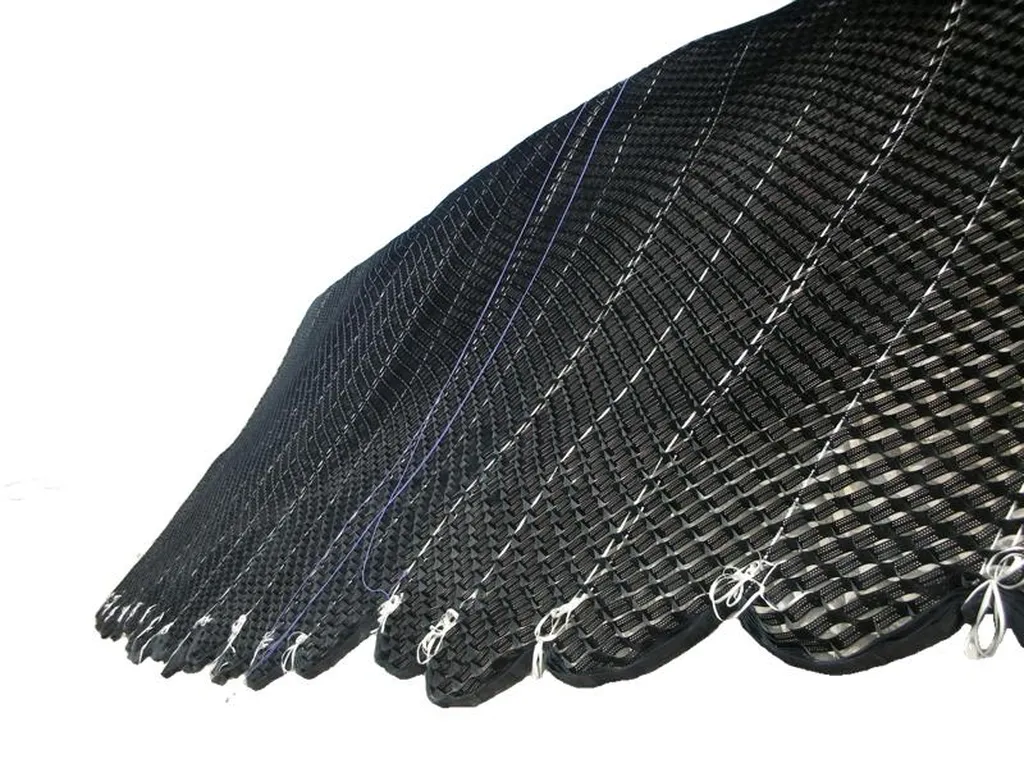
In the world of geotechnical engineering, where the stability of infrastructure meets the urgency of sustainability, a groundbreaking study from the University of Porto and the Federal Rural University of Pernambuco is turning heads. Led by André A. Borgatto, a researcher with dual affiliations in Portugal and Brazil, the study challenges conventional wisdom in retaining structure design by pitting a geosynthetic-reinforced slope (GRS) made with recycled construction and demolition waste (CDW) against a traditional gabion retaining structure (GAB) built with natural aggregates.
The findings, published in *E3S Web of Conferences*—a platform for energy, environment, and sustainability research—are more than just numbers; they’re a blueprint for how the construction industry can pivot toward circular economy principles without sacrificing performance. “This isn’t about restricting construction,” Borgatto explains. “It’s about rethinking how we build—using efficiency and circular material flows to drive sustainability.”
The research zeroes in on life cycle assessment (LCA), a rigorous method for evaluating environmental impacts across a product’s lifespan. Following European and international standards (EN 15804 +A2 and ISO 14040/44), the team compared the two retaining structures from cradle to grave, covering everything from raw material extraction to end-of-life disposal. The results were striking: the GRS with CDW backfill slashed global warming potential by 30%, cut non-renewable primary energy use by a staggering 99.8%, and reduced water consumption by 82% compared to the gabion structure.
For industries like energy, where large-scale infrastructure projects often hinge on resource-intensive materials, these findings could reshape procurement and design strategies. Imagine a power plant or renewable energy installation where the retaining walls aren’t just holding back soil but are also part of a closed-loop system, diverting waste from landfills while lowering energy and water footprints. The implications extend beyond cost savings—they touch on regulatory compliance, corporate sustainability goals, and even investor confidence in green projects.
But the study’s real power lies in its simplicity: it proves that sustainability in geotechnical design doesn’t require reinventing the wheel. “Sustainable construction should evolve through intelligent design,” Borgatto notes, “where optimization replaces compensation.” In other words, the path to greener infrastructure isn’t about doing less—it’s about doing it smarter.
As the construction and energy sectors grapple with tightening environmental regulations and the push for net-zero emissions, this research offers a tangible roadmap. The next time you see a retaining wall, consider this: it might just be the most sustainable part of the project.