
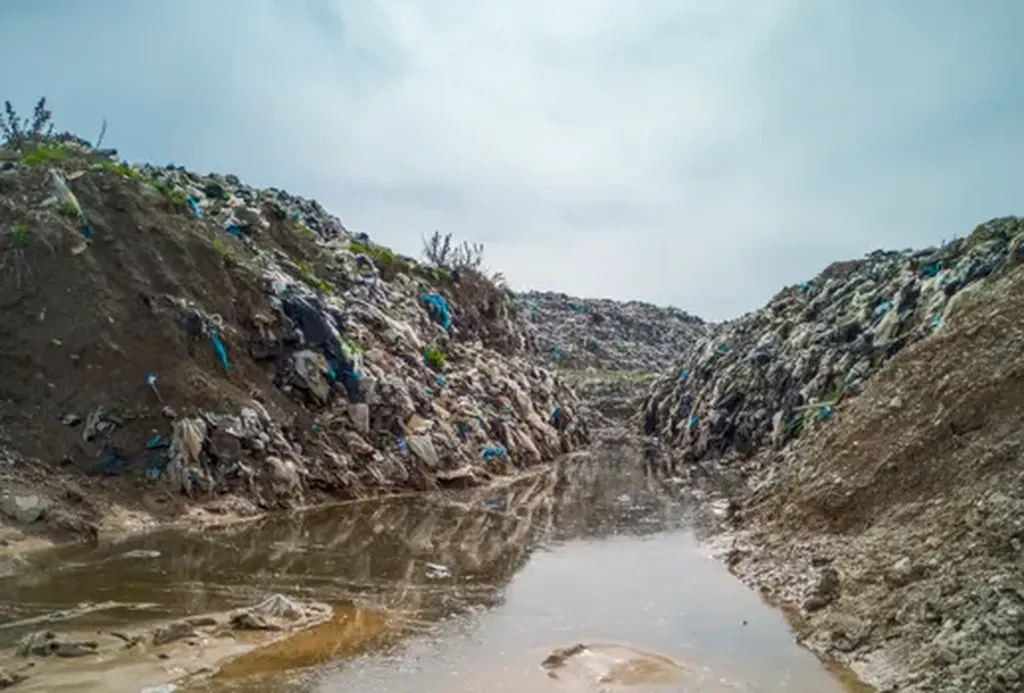
The Haihe River Basin, a sprawling network of rivers and wetlands in northern China, is facing a silent crisis. Coastal wetlands here, vital for biodiversity and flood control, are degrading at an alarming rate. But what’s driving this decline? A new meta-analysis by YANG Haozhen, whose affiliation isn’t disclosed in the study, sheds light on the problem—and its implications could reshape how industries, particularly energy, approach wetland conservation.
The research, published in *Shuitu baochi yanjiu* (translated as *Soil and Water Conservation Research*), analyzed 57 studies covering 525 observations to pinpoint the key factors behind wetland degradation. The findings reveal a complex interplay of human and natural forces, with some surprising insights for policymakers and industries alike.
Among human-driven factors, water extraction tops the list. “The core issue is the threat to wetland water supply and storage,” YANG notes, emphasizing that over-extraction for agriculture, industry, and urban use is draining these ecosystems faster than they can replenish. Water pollution, aquaculture expansion, and land reclamation also contribute, though their impacts are less severe.
But not all human activity is destructive. Policies and regulations emerge as a powerful tool for restoration. “Strong, enforced wetland protection laws can reverse degradation,” YANG suggests, highlighting an opportunity for governments to intervene. Meanwhile, natural factors like river runoff and precipitation play a destabilizing role, with reduced water flow and erratic rainfall exacerbating the problem.
For the energy sector, the implications are clear. Wetlands are critical for cooling power plants, managing wastewater, and even supporting renewable energy projects like hydropower. Over-extraction and pollution threaten these functions, potentially raising operational costs or limiting development. But the study also offers a path forward: prioritizing water efficiency, enforcing environmental regulations, and investing in wetland restoration could mitigate risks while aligning with sustainability goals.
As industries grapple with climate change and resource scarcity, YANG’s research underscores a stark reality: the health of coastal wetlands is inextricably linked to economic stability. The question now is whether stakeholders will act on these insights—or face the consequences.