
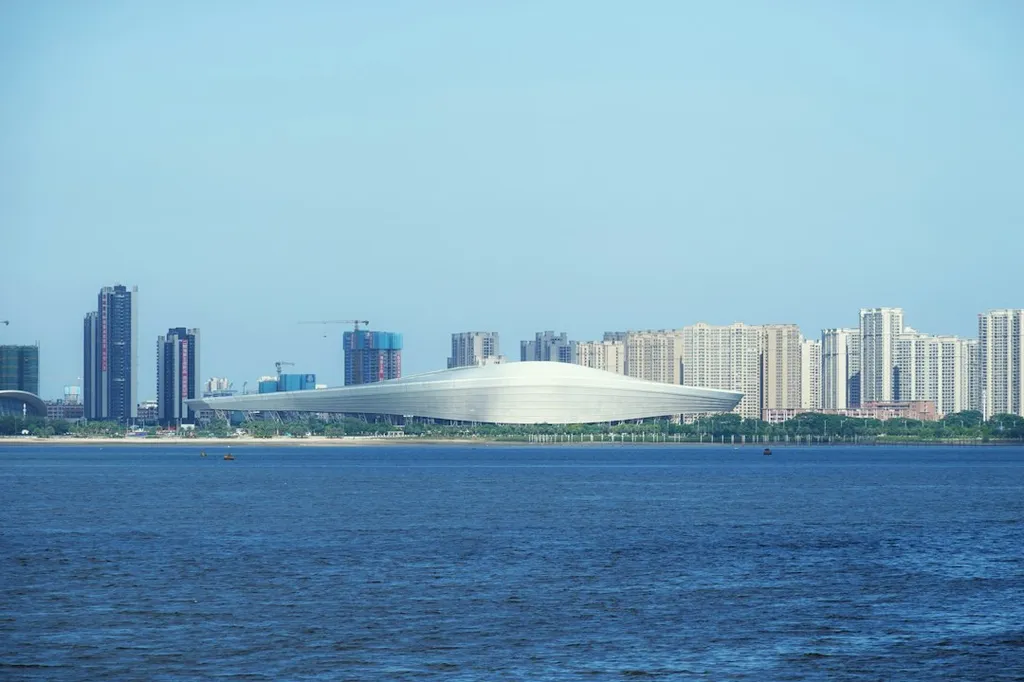
In the coastal city of Zhanjiang, where economic growth has long been the priority, a study led by researcher Zhou Fei from an unnamed affiliation is quietly reshaping how planners view land use and ecological sustainability. Published in *Soil and Water Conservation Research*, the paper doesn’t just analyze land health—it maps the hidden pressures threatening long-term economic stability in one of China’s fastest-growing regions.
Using the Pressure-State-Response (PSR) model—a framework borrowed from environmental governance—the research constructs a 26-indicator system to assess land resource ecological security from 1996 to 2008. The findings reveal a nuanced picture: while the overall ecological state of Zhanjiang’s land resources showed steady performance, it was slowly degrading. The pressure on the system—driven by population growth and excessive fertilizer use—remained high, and the response measures—like industrial restructuring and technological investment—were improving but still insufficient.
Zhou Fei and the team found that the core limiting factors weren’t just environmental; they were structural. “Population growth and unscientific application of chemical fertilizers are the principal limiting factors of the pressure subsystem,” the study states. Meanwhile, the state of the land—its soil quality, forest cover, and irrigation infrastructure—was constrained by shrinking arable land and underdeveloped water conservancy. The response system, meant to counteract these issues, lagged due to low tertiary industry participation and weak education and technology infrastructure.
For industries eyeing Zhanjiang’s growth—especially energy, agriculture, and real estate—the implications are clear. Sustainable development isn’t optional; it’s a prerequisite for long-term profitability. As land becomes scarcer and regulatory scrutiny intensifies, companies that proactively invest in soil conservation, precision agriculture, and green technology won’t just comply with policy—they’ll gain a competitive edge.
The study’s insights suggest a future where ecological security isn’t just an environmental concern but a commercial one. For energy firms expanding into rural or coastal zones, integrating land stewardship into project planning could mitigate risks from soil degradation, water shortages, and regulatory backlash. In Zhanjiang, where the balance between growth and sustainability is still fragile, the message is timely: ecological security isn’t a cost—it’s an investment in resilience.
Published in *Soil and Water Conservation Research*, this work by Zhou Fei offers more than data—it provides a roadmap for aligning economic ambition with ecological integrity.