
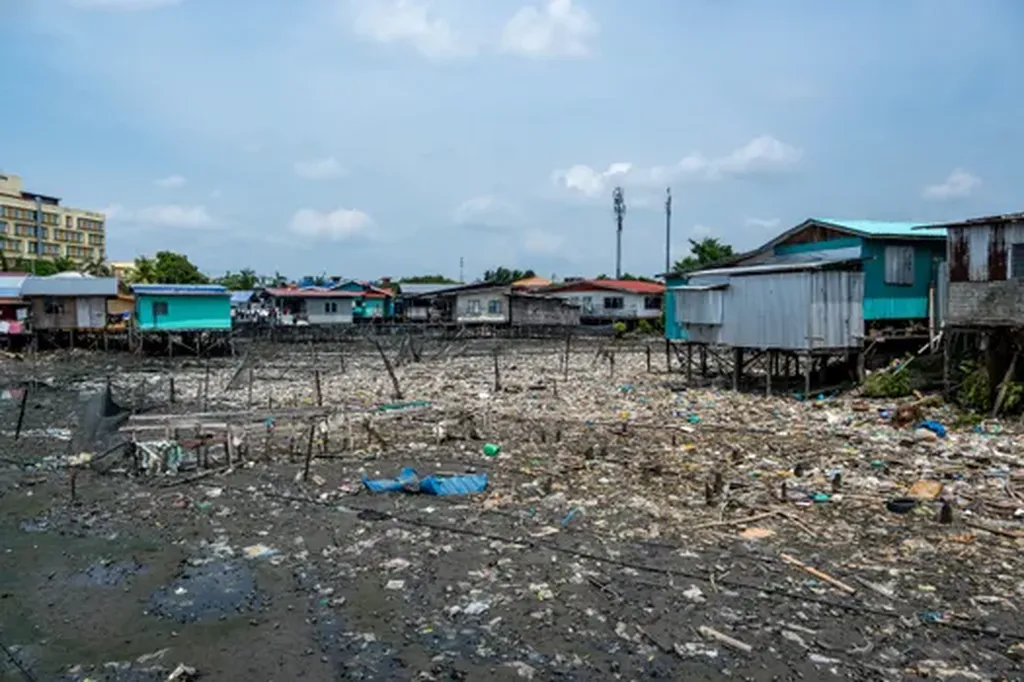
In the quiet coastal village of Kampung Ambon, nestled in North Minahasa Regency, the rhythm of daily life is dictated by the tides and the toil of fishermen and farmers. Yet beneath the surface of this idyllic setting lies a pressing challenge: inadequate sanitation and water quality that falls short of national standards. According to Adnan S. Wantasen, a researcher from Sam Ratulangi University, this issue stems from a lack of awareness among residents about the importance of water quality and environmental sanitation.
Wantasen’s observations, published in the *Jurnal Ilmiah Platax* (translated as the *Scientific Journal Platax*), paint a stark picture. Many households rely on wells for their water supply, but salinity levels often exceed the government’s standards for household consumption, set by Government Regulation No. 22 of 2021. Meanwhile, sanitation systems remain unregulated, with wastewater often flowing freely into the environment. “The community’s understanding of water quality and sanitation is still very limited,” Wantasen explains. “This isn’t just a health issue—it’s a development issue that affects the entire region.”
The commercial implications for sectors like energy are significant. Coastal communities like Kampung Ambon are often gateways for industrial and infrastructure projects, from port expansions to renewable energy initiatives. Poor water quality and sanitation can lead to health crises, workforce inefficiencies, and regulatory hurdles that delay or derail investments. For energy companies operating in or near coastal areas, ensuring access to clean water and proper sanitation isn’t just a community responsibility—it’s a business imperative.
Wantasen’s proposed solution involves community partnership programs that blend education with practical action. Through outreach campaigns and hands-on demonstrations, residents will learn about water quality standards, well construction requirements, and pollution detection techniques. Small group workshops will teach them how to identify and address contamination sources, empowering them to take ownership of their environmental health. “It’s not just about telling people what to do,” Wantasen says. “It’s about showing them how to do it and why it matters.”
The research underscores a broader truth: sustainable development in coastal regions requires more than just infrastructure—it demands education and collaboration. As energy projects expand into these areas, integrating community-driven sanitation and water quality initiatives could mitigate risks, foster goodwill, and even unlock new opportunities for partnerships. For industries eyeing these coastal regions, the lesson is clear: investing in community health today could be the key to unlocking tomorrow’s growth.