
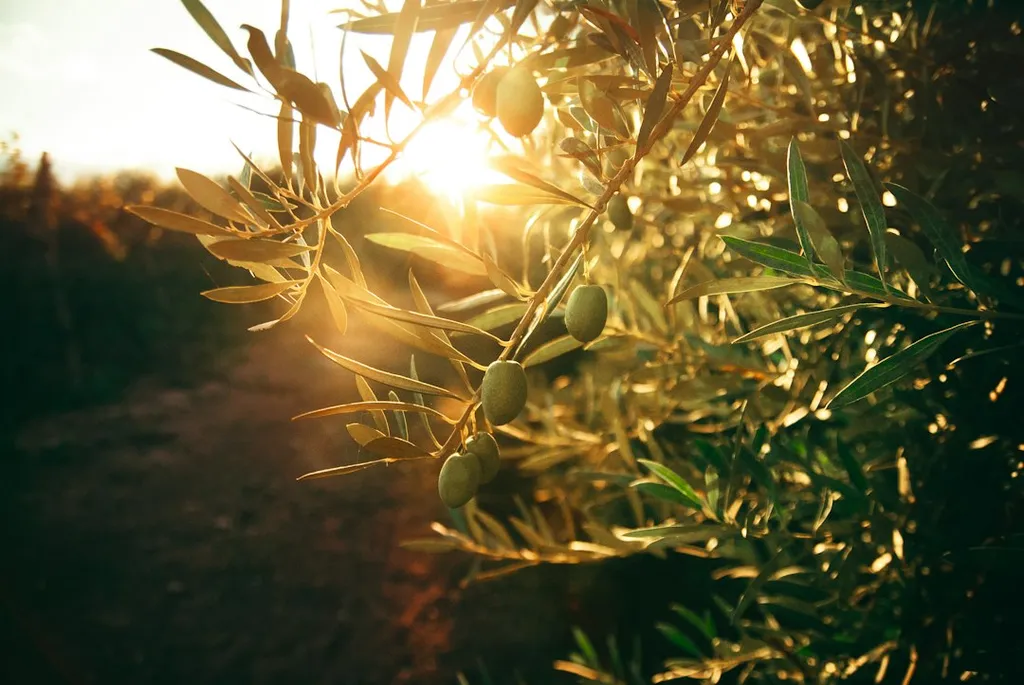
In the sun-baked olive groves of southern Spain, where water is as precious as the oil it helps produce, a quiet revolution is underway. Researchers led by H. Kerras of the Universidad Politécnica de Cartagena have put two irrigation strategies to the test in a super-high-density Arbequina olive orchard, and the results could reshape how farmers—and the energy sector—think about water management.
The study, published in *Agricultural Water Management* (known in Spanish as *Gestión del Agua Agrícola*), compared the widely used FAO-56 crop coefficient method with the Allen & Pereira approach, a more dynamic alternative. Both aim to optimize irrigation, but their economic impacts tell different stories. Kerras and his team tracked everything from water use to profit margins over two growing seasons, and what they found challenges conventional wisdom.
“For years, the FAO-56 method has been the go-to for farmers because it’s straightforward and proven,” Kerras explains. “But the Allen & Pereira approach, while more complex, didn’t actually translate into better yields or profits—at least not under typical conditions.”
The numbers bear this out. The Allen & Pereira method led to higher irrigation and labor costs due to its more precise (and thus more demanding) water estimates. Yet, when it came to actual olive production, revenues, and profit margins, there was no significant difference between the two approaches. The real turning point came when researchers modeled higher water prices—above €0.80 per cubic meter—and the automation of irrigation through the Isadora+ decision-support system.
Here’s where the energy sector should take notice. As water becomes scarcer and more expensive, the cost of irrigation isn’t just a farming issue—it’s an energy issue. Pumping, filtering, and distributing water requires significant power, and inefficient systems drive up costs across the board. The study found that automation could slash management costs by nearly eliminating the economic gap between the two methods. In other words, smart irrigation systems don’t just save water—they save money, energy, and operational headaches.
For farmers, the takeaway is clear: the choice of irrigation method matters less than the context in which it’s used. High water prices and automation tilt the scales toward more advanced approaches, while traditional methods remain viable in stable conditions. For the energy sector, this research underscores a critical point—water efficiency isn’t just about conservation; it’s about economic resilience.
As Kerras puts it, “The profitability of irrigation scheduling isn’t about the method itself—it’s about the system around it.” In an era where every drop counts, that’s a lesson worth heeding.