
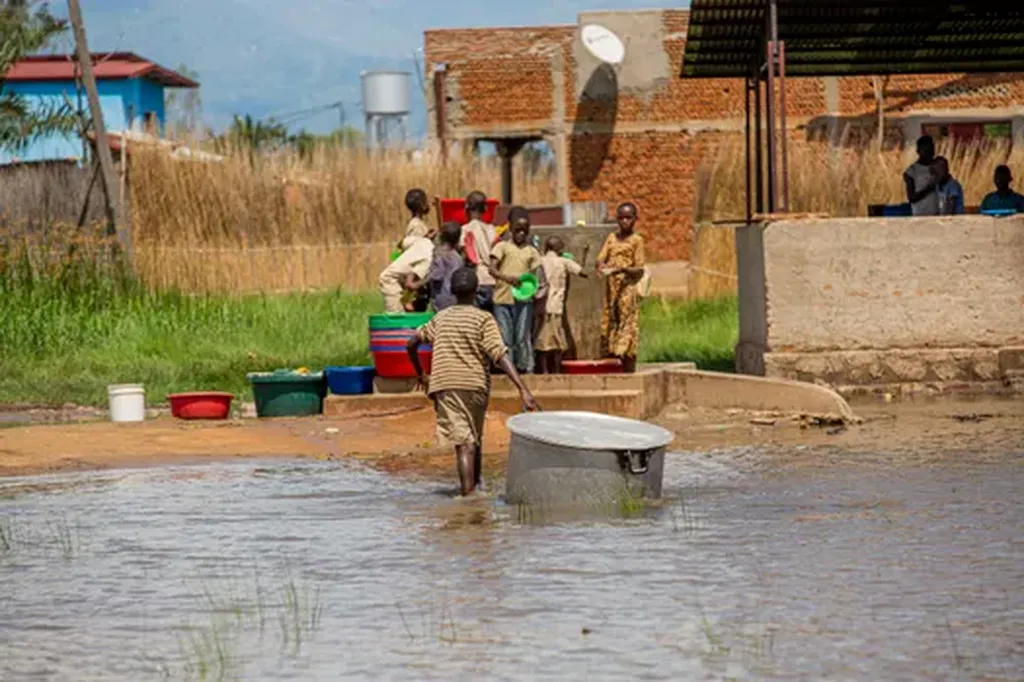
In the quiet coastal stretches of Tateli Satu Village, where the rhythms of daily life are dictated by the tides and the toil of fishing, a quiet crisis simmers beneath the surface. The village, nestled along Manado Bay in Minahasa Regency, is a microcosm of challenges faced by many coastal communities worldwide: inadequate sanitation, unreliable clean water access, and a growing burden of plastic waste. For Wilmy Pelle, a researcher at Sam Ratulangi University, these issues are not just environmental concerns—they represent untapped opportunities for innovation, investment, and sustainable development.
Pelle’s findings, published in the *Jurnal Ilmiah Platax* (translated as the *Scientific Journal of Platax*), paint a stark picture of the village’s current state. Residents, primarily fishermen and farmers with limited formal education, rely on wells for their water supply. Yet, the salinity levels in these wells often exceed government standards for domestic use, rendering the water unsafe for consumption. Meanwhile, sanitation infrastructure is rudimentary at best, with unregulated sewerage systems contributing to broader environmental degradation. The root cause? A lack of awareness about water quality and sanitation practices, compounded by systemic neglect.
“Many people here don’t realize that the water they drink could be making them sick,” Pelle explains. “They see the well as a simple solution, but without proper construction or maintenance, it becomes a conduit for contamination.” His work underscores a critical gap in knowledge transfer—a gap that, if bridged, could unlock significant commercial and environmental potential.
The research highlights a dual challenge: addressing immediate health risks while positioning the village as a model for sustainable coastal living. For the energy sector, this presents a compelling case for investment in decentralized water and sanitation solutions. Imagine solar-powered desalination units integrated into community wells, reducing salinity levels while providing a reliable water source. Or perhaps modular wastewater treatment systems that turn sewage into usable biogas, offering both environmental and energy benefits. These aren’t far-fetched ideas; they’re scalable solutions already being deployed in other parts of the world, waiting for the right conditions to take root.
Pelle’s approach is rooted in community engagement. Rather than imposing top-down solutions, his team has focused on grassroots education—training locals to recognize water quality parameters, construct safe wells, and identify pollution sources. Small group workshops have been instrumental in demonstrating practical actions, such as detecting contaminants or reporting illegal waste dumping. “It’s about empowering the community to become stewards of their own environment,” Pelle says. “When people understand the stakes, they’re more likely to adopt long-term solutions.”
The commercial implications are clear. Coastal communities like Tateli Satu are often overlooked in favor of urban centers, but their potential for sustainable development is immense. Investors in water technology, renewable energy, and waste management could find fertile ground here, where demand meets innovation. The key is aligning these solutions with local needs—affordable, adaptable, and culturally attuned.
As the global push for sustainability intensifies, the lessons from Tateli Satu could serve as a blueprint for similar villages worldwide. The challenge isn’t just technical; it’s about fostering a mindset shift. For now, Pelle’s work offers a glimmer of hope—a reminder that even the smallest communities can drive change when given the right tools and knowledge. And for the energy sector, it’s a call to action: to look beyond the obvious markets and invest in the quiet revolutions happening along the world’s coastlines.