
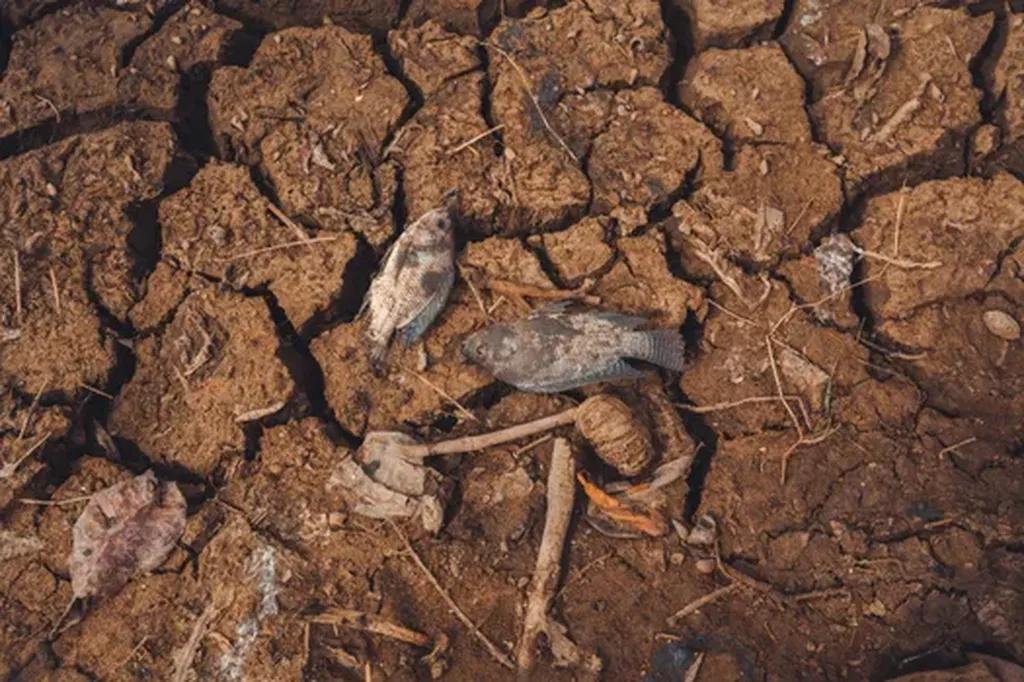
The once-vibrant Lake Tutud in Southeast Minahasa Regency is facing a crisis that could ripple through the local economy—one tied directly to water quality and aquaculture. Recent years have seen the lake’s water levels plummet due to the loss of critical spring sources and heavy sedimentation, while sulfur-rich runoff from irrigation further threatens fish farming. For communities like Tombatu 3 Village, where tilapia farming in floating net cages is a lifeline, these environmental challenges are more than ecological concerns—they’re economic ones.
Suzanne L. Undap, lead author of the study published in *Jurnal Ilmiah Platax*, highlights the urgency: “The decline in water quality isn’t just an environmental issue; it’s a barrier to sustainable livelihoods. Without intervention, tilapia production—and the incomes of local farmers—could stagnate.” The research, part of a community service program by PNBP UNSRAT, sought to address this gap through education, hands-on training, and technology transfer.
Over several months, the team conducted workshops on water quality management, disease prevention in fish, and proper feed formulation—critical components for scaling up tilapia production. They also measured water parameters directly in the lake, providing farmers with real-time data to adjust their practices. The response was strong: attendance at training sessions reached 80%, signaling a clear demand for solutions.
Yet challenges remain. Many farmers, while eager, still struggle with technical concepts—language barriers being a notable hurdle. “We had to adapt our approach, shifting to local dialects to ensure understanding,” Undap notes. This underscores a broader lesson: innovation in water management must be inclusive to be effective.
For the aquaculture sector, the implications are significant. If Lake Tutud’s water quality can be stabilized, tilapia farming could expand, creating jobs and reducing poverty in the region. The study’s findings suggest that with the right training and technology, even degraded water bodies can support sustainable fish production—opening doors for similar interventions elsewhere.
Published in *Scientific Journal Platax*, the research serves as a case study in how science can drive economic resilience. As water scarcity and pollution intensify globally, its lessons may resonate far beyond Indonesia’s shores.