
Denis Musiige has spent years walking the unpaved, crowded lanes of Harare’s informal settlements, notebook in hand, watching how rain turns pathways into rivers and how the heat of corrugated iron roofs bakes the air. Now, as lead author of a landmark systematic review published in the journal *City and Environment Interactions* (translated from the original title *Ville et Interactions Environnementales*), Musiige and his team at the University of Zimbabwe have mapped a path forward—not just for Harare, but for cities across sub-Saharan Africa where rapid urbanization and climate vulnerability collide daily.
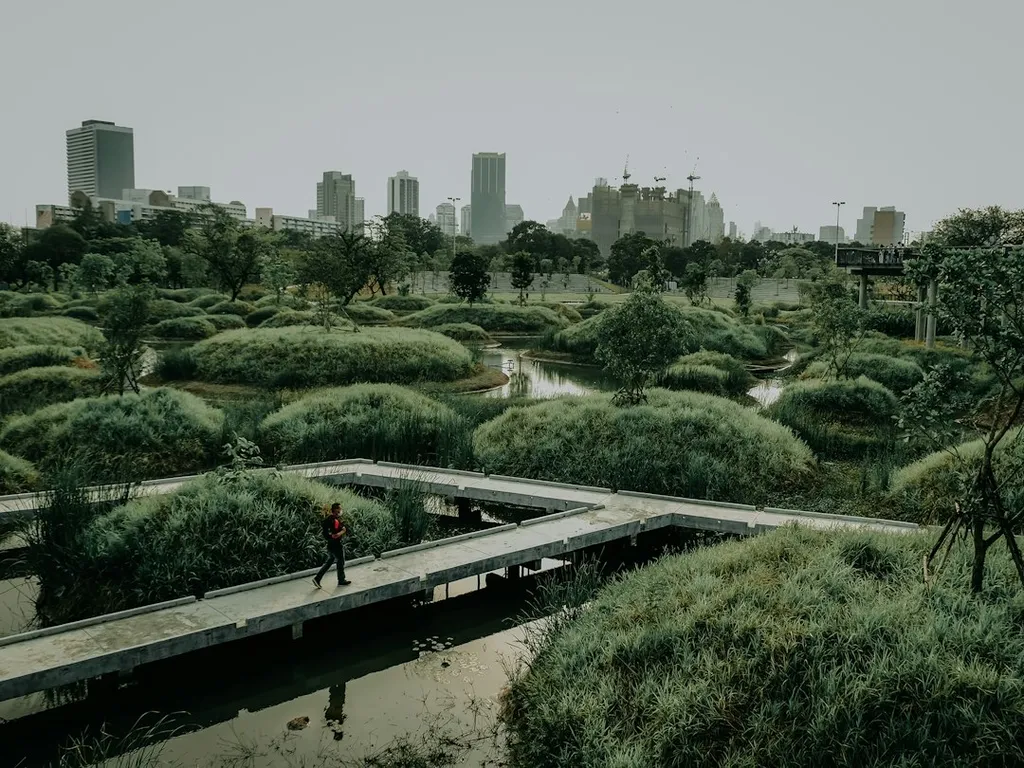
The findings are at once encouraging and sobering. Green infrastructure—think rain gardens in Lusaka, bioswales in Nairobi, or community-managed wetlands in Kampala—offers real, measurable resilience against flooding, heat, and water scarcity. “We’re not talking about luxury landscaping,” Musiige says. “We’re talking about survival infrastructure. In places where drainage systems are clogged or non-existent, a simple bioswale can slow a flash flood from a crisis to a manageable event.”
But survival isn’t the only benefit. The review synthesizes evidence from 2015 to 2026 and finds that well-designed green systems can reduce urban heat island effects by up to 3°C in dense settlements—critical for energy demand in informal areas where residents rely on costly, polluting backup generators during power outages. That’s a direct commercial signal to energy providers: investing in green infrastructure upstream can reduce peak electricity demand downstream, lowering operational costs and carbon footprints.
Yet the study also exposes the roadblocks. Land tenure insecurity means residents hesitate to plant trees or install permeable paving, fearing eviction. Governments, meanwhile, often prioritize grey infrastructure—concrete drains, piped water—over green solutions due to perceived reliability and donor funding preferences. “There’s a trust gap,” Musiige notes. “People see green infrastructure as temporary or less durable, even when it’s more sustainable in the long run.”
The research points to a hybrid future: pairing traditional drainage with bioswales, or combining constructed wetlands with small-scale wastewater treatment. It calls for “dedicated urban climate finance”—a call that resonates with energy sector stakeholders eyeing carbon markets and climate resilience funds. For utilities and private investors, this isn’t just about social impact; it’s about risk reduction and long-term asset viability.
As informal settlements swell—home to nearly 60% of sub-Saharan Africa’s urban population—the study underscores a critical truth: resilience isn’t optional. It’s a market. And the companies and cities that act now, integrating green infrastructure with smart governance and community co-design, won’t just survive the next storm. They’ll shape the cities of tomorrow.