
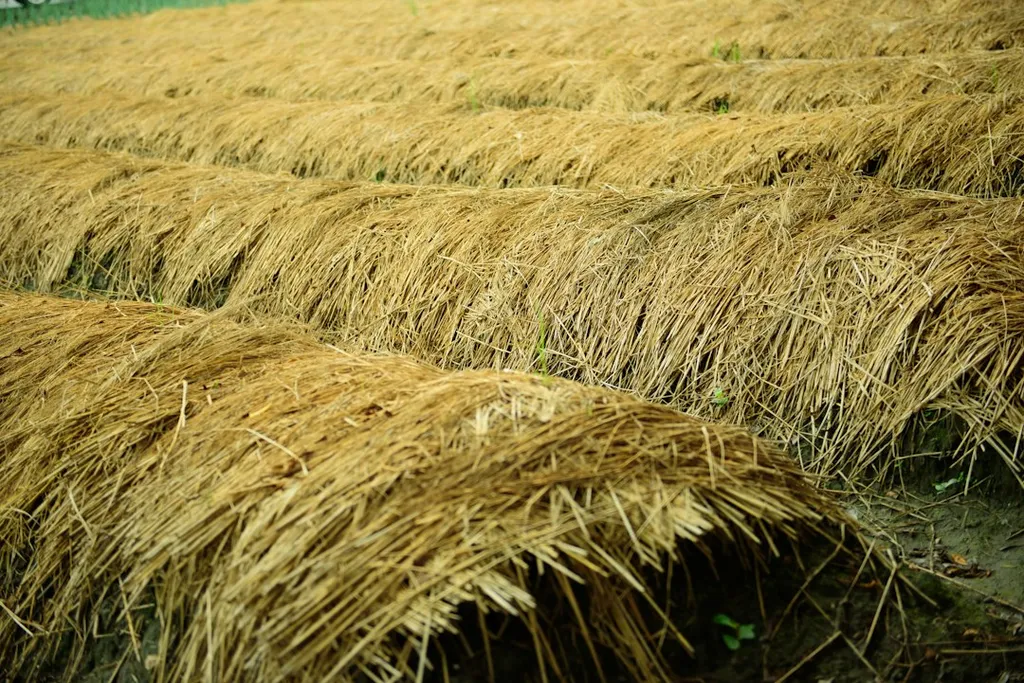
Luke J. Matthews, a researcher with the California Department of Fish and Wildlife and the University of California, Davis, has spent years examining how California’s rice farmers adapt to changing regulations and environmental pressures. His latest study, published in the journal *Agrosystems, Geosciences & Environment* (formerly *Agronomy Journal, Geosciences & Environment*), reveals how shifting straw management practices in the Sacramento Valley’s rice fields have reshaped the region’s agricultural and ecological landscape.
The study, which surveyed over 1,100 fields across two winters, found that straw incorporation—plowing the leftover plant material back into the soil—has become the dominant practice, replacing burning almost entirely. “Burning used to be the go-to method, but regulations in the 1990s forced a major shift,” Matthews explains. “Today, less than 2% of fields still burn straw, down from as much as 40% in the 1980s.”
The shift away from burning wasn’t just about air quality—it also altered water use. Winter flooding, once rare, now covers over 40% of fields, up from less than 16% in earlier decades. “Flooding helps break down straw and provides habitat for migratory birds,” Matthews notes. “But it also means more water is diverted in winter, which has implications for water allocation and energy use.”
The commercial impacts are significant. For the energy sector, the changing water demands could influence hydropower generation and grid stability, especially in a state where droughts and water shortages are increasingly common. The shift in straw management also affects greenhouse gas emissions, with flooded fields producing methane—a potent climate-warming gas—while incorporated straw may reduce emissions but requires more fuel for tillage.
While the study found little change in management practices since 2007, Matthews warns that extreme weather—like heavy fall rains—can still disrupt the system. “Farmers adapt, but climate variability adds another layer of complexity,” he says. “Understanding these trends helps policymakers and industries plan for the future.”
For a region where rice farming is a $5 billion industry, these findings could shape everything from water contracts to carbon credits. And as California’s agricultural sector grapples with sustainability challenges, Matthews’ work offers a data-driven look at how one small change—how farmers manage straw—can ripple across the economy and environment.